Oil prices fell below $78 following the U.S.-Iran deal. But Wall Street isn't rushing to celebrate
The market is cautiously assessing the prospects of the deal

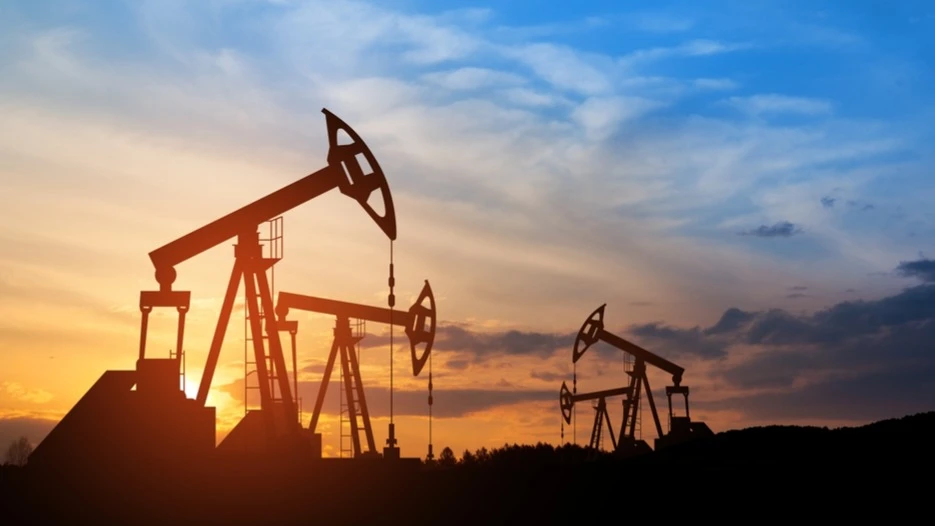
Brent crude oil prices fell below $78 per barrel / Photo: Hamara/Shutterstock.com
On June 18, prices for Brent and WTI crude oil fell below $80 per barrel following reports that U.S. President Donald Trump had signed an agreement with his Iranian counterpart, Masoud Pezeshkian, to end the war in the Middle East, according to CNBC . Despite the optimistic reaction from the stock markets, analysts and market participants remain skeptical about the durability of this deal. Concerns stem from both the vague terms of the agreement and Trump’s hardline stance, as he has already threatened to resume strikes should the deal fall apart.
Details
Futures for Brent, the international benchmark crude oil grade, for August delivery fell 3% to $77.1 per barrel during morning trading on June 18, after which the pace of the decline slowed slightly. Futures for U.S. West Texas Intermediate (WTI) crude oil for July delivery fell 3.4% to $74.13 per barrel.
Oil prices continued to fall after the U.S. and Iran signed a memorandum of understanding remotely. According to a high-ranking source in the U.S. administration cited by Barron’s, the war will end definitively, the U.S. naval blockade of Iran will be lifted, and shipping through the Strait of Hormuz will resume in full within 30 days of the signing. The document also states that Iran has pledged never to produce nuclear weapons.
Meanwhile, U.S. President Donald Trump warned at a press conference for journalists that Washington could resume attacks on Iran if Tehran fails to fulfill its obligations, Reuters reports. "If [Iran] doesn't behave properly, we'll start bombing again," Trump said.
What People Are Saying in the Market
The details of the 14-point framework agreement between the U.S. and Iran leave plenty of room for uncertainty, according to Barron’s. Oil analysts are skeptical about how soon shipping through the Strait of Hormuz will return to pre-war levels, the publication writes. This is partly because it is unclear whether Iran’s agreement not to charge transit fees for 60 days, as specified in the memorandum, will become permanent.
"If Iran imposes a fee after the first 60 days of free passage following the signing of the memorandum, 'this could indeed hinder the full normalization of traffic,'" said Helima Croft, head of global commodities strategy at RBC Capital Markets. Although some shipping companies may be willing to continue paying for access to the strait, RBC believes that “a number of Western companies will be unwilling to do so,” she added.
On Monday at the G7 summit, Trump stated that “the strait will be open for free” and “will remain free even after 60 days.” When asked to clarify this detail at a press conference on Tuesday, he acknowledged that this extension had not been specified in the agreement. “What will keep them from doing that [imposing a fee] is common sense,” he said. “We have an understanding on certain issues that aren’t set in stone,” Trump added.
Other issues remain, according to Barron’s. Lifting U.S. restrictive measures against Iran could prove particularly challenging, as Congress has “broad authority to oversee sanctions,” Croft noted. Moreover, Israel may not fully comply with the terms, which could also derail the deal.
Ole Hansen, head of commodity strategy at Saxo Bank, called current oil prices below $80 per barrel “an overreaction not supported by current fundamentals or developments,” Barron’s adds.
Goldman Sachs forecasts that oil shipments through the Strait of Hormuz—which accounted for one-fifth of global supplies before the war—may recover to only about 70% of pre-war levels. The bank’s analysts emphasize that producers in the region have come to rely more on alternative routes, according to Bloomberg.
"This normalization of exports from the Persian Gulf countries to pre-war levels could be achieved by increasing flows through the Strait of Hormuz by 13 million barrels per day compared to current levels," analysts at the investment bank reported.
According to them, the expected increase in supplies could come to an end by the end of next month, and production in the Persian Gulf is likely to resume by October.
This article was AI-translated and verified by a human editor