Oil prices surging to $100 and concerns about AI sent U.S. stocks tumbling
The Nasdaq fell more than 2%

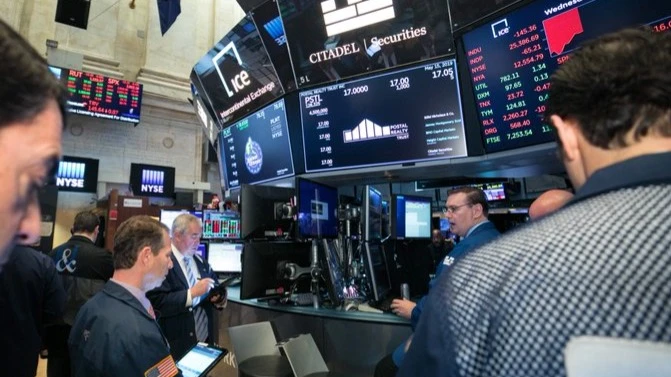
Photo: X / NYSE
A significant rise in oil prices amid the escalating conflict in the Middle East, as well as renewed concerns about the wisdom of big tech companies’ multibillion-dollar investments in AI, sent major U.S. stock indices tumbling on Thursday, according to Bloomberg.
Details
On July 23, the Dow Jones Industrial Average lost nearly 1%, the S&P 500—a broad-market index of U.S. stocks—fell 1.2%, and the Nasdaq Composite, which is heavy on technology companies, dropped 2.2% in a single day. Among the biggest decliners were shares of major tech companies, notes MarketWatch. According to Dow Jones Market Data, the “Magnificent Seven”—including Nvidia, Apple, Alphabet, Microsoft, Amazon, Meta, and Tesla—collectively lost $938.7 billion in market capitalization on Thursday. This is the largest drop since April 2025 and the second-largest decline in market capitalization in recorded history, the publication notes.
Meanwhile, oil prices surpassed $100 per barrel for the first time since May: Brent futures jumped more than 6% to trade at $100.17 per barrel, while U.S. WTI futures rose 5.5% to $91.6 per barrel. Investors reacted to the escalation of the conflict in the Middle East: the Iran-backed Yemeni Houthis carried out their threats and attacked two Saudi Arabia-linked tankers in the Red Sea. Following this, U.S. President Donald Trump threatened Tehran with new strikes should such attacks recur.
Against the backdrop of the escalating conflict in the Middle East, the U.S. dollar also received support from capital inflows into safe-haven assets, according to Bloomberg. On July 23, the U.S. dollar strengthened by 0.3% against a basket of other global currencies.
Spot gold fell nearly 2% to $4,049 per ounce.
Yields on U.S. Treasury bonds rose along with oil prices, according to CNBC. The yield on 10-year Treasury bonds briefly exceeded 4.7%, reaching its highest level since January 2025.
What People Are Saying in the Market
“This pace of oil price growth poses a significant macroeconomic and market risk,” noted Matt Miskin, co-head of the investment strategies division at Manulife John Hancock Investments, while commenting on the situation (as quoted by Reuters). He also pointed to low unemployment figures in the U.S. (for the week ending July 18, the number of initial unemployment claims in the U.S. fell to its lowest level since 1969). According to the expert, such data should put pressure on the Fed, forcing it to focus on fighting inflation. The Federal Reserve’s next meeting, at which a decision on the interest rate will be made, is scheduled for next week—July 28–29.
This article is being updated
This article was AI-translated and verified by a human editor