Profit vs. Rules: What the Nvidia CEO Scandal Means for Corporate Governance

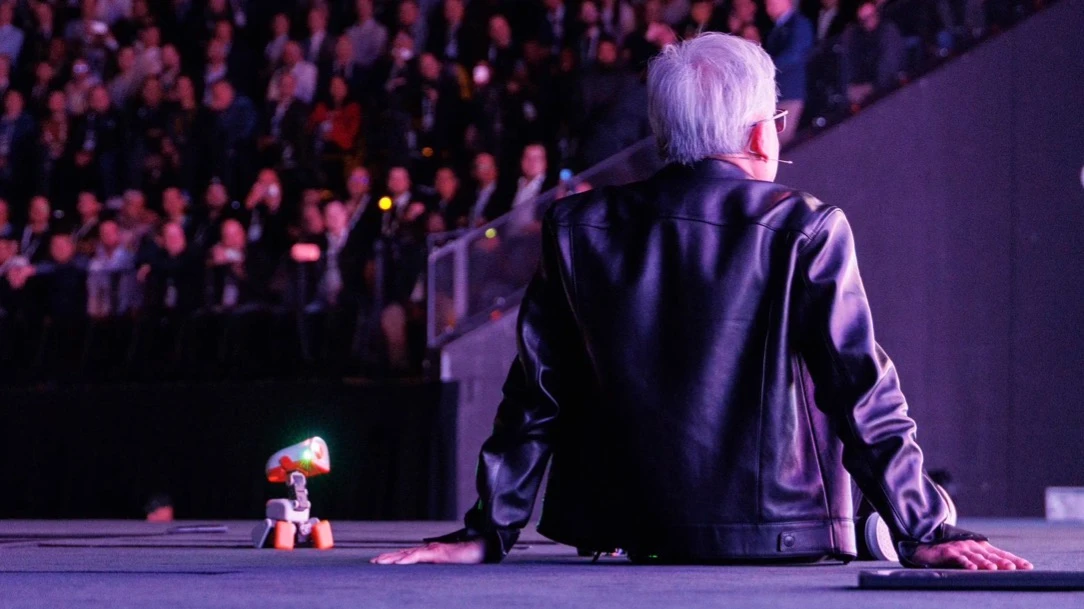
Nvidia's board of directors accepted CEO Jensen Huang's resignation but later reinstated him. Photo: Nvidia / X
Nvidia's board of directors dismissed CEO Jensen Huang but later reinstated him following intervention by U.S. President Donald Trump. Against this backdrop, the company’s stock rose more than 30% in a single day, and its market capitalization increased by nearly a trillion dollars. However, this episode raises questions about the principles of corporate governance and whether they take a back seat when investor returns are at stake. Financier Sergey Romanchuk discusses this on his Telegram channel. Oninvest is publishing his opinion in full, with minor edits.
***
These are certainly interesting times. Business and political norms that once seemed unshakable are being turned upside down before our very eyes. Nvidia has reinstated Jensen Huang following his forced resignation. The U.S. president personally got involved in resolving the issue, spoke with members of the board of directors, and essentially pushed the decision through.
Until recently, this would have been hard to imagine. The market is cheering: Nvidia’s stock price rose 30% in a single day (November 23—Ed.), and nearly $1 trillion in market capitalization has been returned to shareholders. The question is: what will this cost the economy and the institution of corporate governance itself in the future?
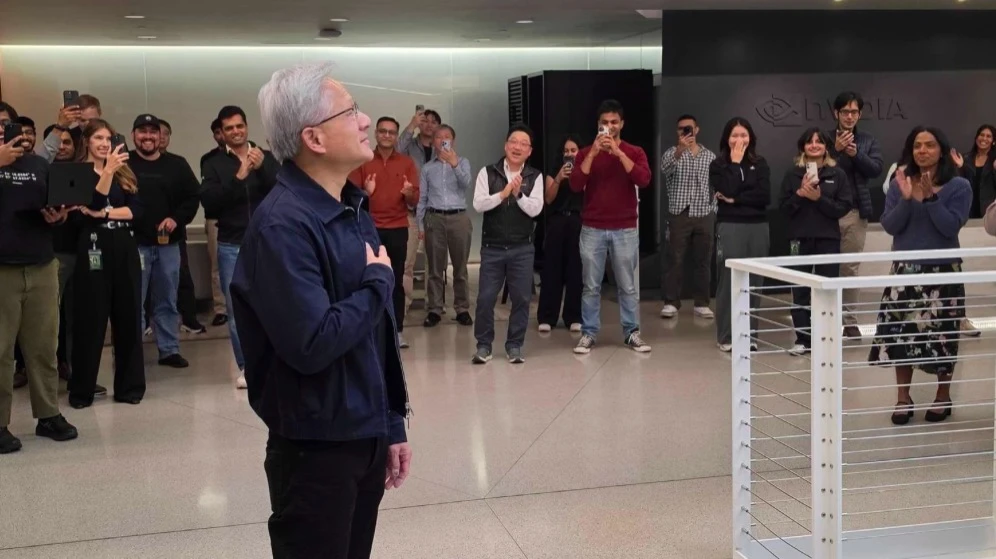
The scandal brought many things to light. An affair with a direct subordinate. An affair with Alice Huang of Megaspeed, a major Nvidia client. U.S. intelligence agencies suspect her of working for Beijing. His children and son-in-law held executive positions, and, according to The Wall Street Journal, they ruled the company like a “royal family.”
The corporate rules established earlier worked, at least on paper: the board of directors succeeded in getting Huang to resign. But it turned out that a call from the president and market capitalization carried more weight. Anything goes as long as you turn a profit. It’s the same in politics: anything goes, as long as you get elected.
Money has always been used as an excuse for many things. But at least in the past, people felt ashamed. Now, it seems, it’s time to rewrite corporate codes of ethics in advance: appointing relatives is acceptable, and so are relationships with subordinates.
What happens next with the market is a separate issue. It is determined not by Huang’s fate, but by the stage of technological development and the validity of the prices within the market cycle. He’s added some volatility, but the game isn’t over yet.

The dot-coms showed that technology can grow rapidly while the stocks of tech leaders do not necessarily rise. But it makes no sense to superimpose the charts from 2000 exactly as they were. Perhaps the decline since the summer was a correction, and it has ended—or perhaps not. I expected that the IPOs of the largest companies would mark the bubble’s final stage, followed by a deflation back toward financial reality. It’s still too early to tell whether the correction has ended or whether we’ve already passed the peak of the AI bubble. It’s a thrilling saga.
This article was AI-translated and verified by a human editor