"Risk appetite has failed to survive the fog of war": US indices at lowest since August
Wall Street's fear index jumped above 31 points, an area of heightened uncertainty

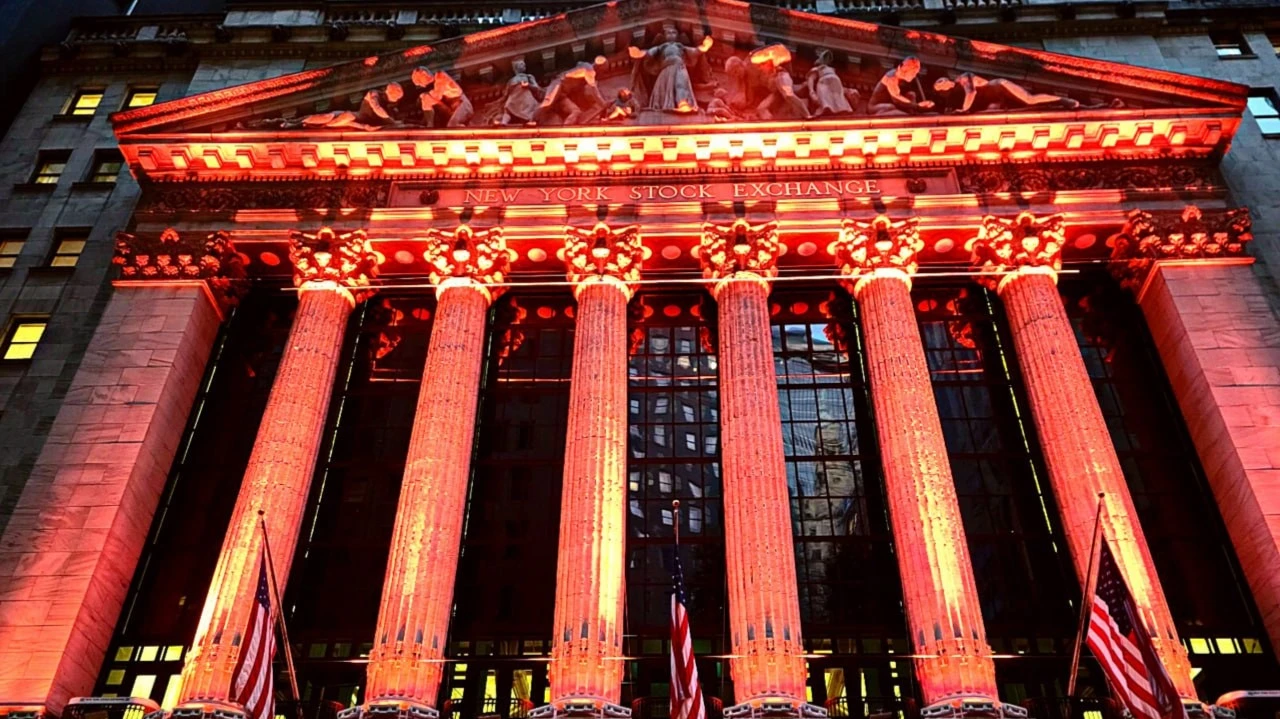
Photo: X / NYSE
All three major U.S. stock indexes fell sharply in the last hours of trading on March 27 and closed at their lowest levels since August, MarketWatchwrites. Investors sold off stocks before the weekend, preparing for a prolonged military conflict in the Middle East, which is likely to keep oil prices high, the publication explains. And statements from President Donald Trump are no longer helping to calm markets, according to analysts. This is the second day of panic sell-off in a row, and the fifth week of decline.
- The S&P 500 broad market index fell 1.7% on March 27. It has the longest series of weekly declines since Ma 2022, according to MarketWatch. Its performance over the past five sessions is minus 2.1%.
- Technology index Nasdaq Composite, which the day before collapsed by 2.4% in the correction zone, lost another 2.2% on Friday. And for the week - 3.2%.
- The Dow Jones Industrial Average blue-chip index collapsed 1.7% on Friday, also entering correction territory, as it was down 10% from its record closing level reached on Feb. 10, MarketWatch points out. The last time the Dow was in a correction was last April. It is down 0.9% since the beginning of the week.
- The index of small and mid-cap stocks fell 1.9% on March 27.
- The VIX volatility index, which is considered an indicator of Wall Street fear, soared 13%, breaking the 31-point mark. A level above 30 points is considered a zone of heightened uncertainty and is associated with corrections and downturns.
- The price of Brent crude oil jumped 4.9% to $113 per barrel. North American WTI traded just below $100 per barrel, up 5.8%.
- Bitcoin has fallen in price by 4%. The largest cryptocurrency lost its March growth and is now almost 50% below its October record, CNBC calculated.
Why the market has shifted to risk avoidance
The U.S. and Israel struck several nuclear facilities and steel mills in Iran on Friday, while Tehran continued attacks across the Persian Gulf and rejected President Donald Trump's intensifying demands to end the conflict. All this followed the U.S. leader's decision to postpone until April 6 the deadline by which Iran had to open the Strait of Hormuz. Otherwise, Trump promised to hit the Islamic republic's energy infrastructure.
At the same time, the White House has signaled to allies that it has no immediate plans for a ground invasion of Iran, despite the deployment of thousands of troops to the Middle East, sources familiar with the situation told Bloomberg.
In the evening, special envoy Steven Whitkoff conceded that peace talks could take place this week.
However, investors appear to be preparing for a more protracted conflict, according to CNBC. "Risk avoidance continues to dominate," states Elias Haddad of Brown Brothers Harriman & Co. "In the absence of full U.S. military control over the Strait of Hormuz, Iran effectively holds the leverage to escalate this war, and the balance of risks points to further deterioration.
"The diplomatic rift between the U.S. and Iran disappointed investors," said Doug Beath of Wells Fargo Investment Institute, "By the end of the week, risk appetite could not withstand the fog of war.
"Traders are being extremely cautious because the situation with Iran appears to be going on much longer than expected," Ryan Jacobs, founder of consultancy Jacobs Investment Management, told MarketWatch. - Oil prices are going to be even higher, which means logistics around the world are going to get more expensive."
Investor confidence that Trump is committed to de-escalating the conflict with Iran kept the deeper decline in March in check, Interactive Brokers chief strategist Steve Sosnick told MarketWatch. But as the conflict has dragged on, traders have begun to fear there is no end in sight, and some have even recently begun to wonder if Trump's ability to calm the market by telling it what it wants to hear is waning, MarketWatch noted.
Barclays analysts warned: constant position swings and news-flow fatigue are beginning to seriously undermine the effectiveness of the so-called Trump put, that is, the bet that the president can drive a recovery in stocks by signaling a policy shift.
What analysts advise
The trading division of Goldman Sachs Group warned investors not to rush to take a "bearish" stance on U.S. stocks. Analysts noted that the current positioning makes the market vulnerable to short-squeeze if geopolitical tensions ease, Bloomberg reports .
Apollo economist Thorsten Slok also railed against panic in the markets. "Markets are overreacting to what is likely to turn out to be a period of volatility of four to six weeks, which will eventually lead to 50 years of stability in oil markets, supply chains and geopolitics. The Gulf region will become more stable and even more closely integrated into the global economy," he believes. Slocke believes the Iran-related shock is not strong enough to offset the powerful factors supporting the US economy - AI spending, industrial revival and Trump's tax reform.
Against this backdrop, Citigroup strategists said they were reducing the share of U.S. equities in the portfolio, warning that fading hopes for a quick resolution to the conflict between the U.S. and Iran were increasing downside risks in markets already shaken by the oil shock. Separately, Citi said it had given up overweighting in small-cap securities, which are particularly vulnerable in the face of high energy prices and tightening liquidity.
This article was AI-translated and verified by a human editor