Ryanair's CEO predicted the "largest in history" increase in airfare prices in Europe

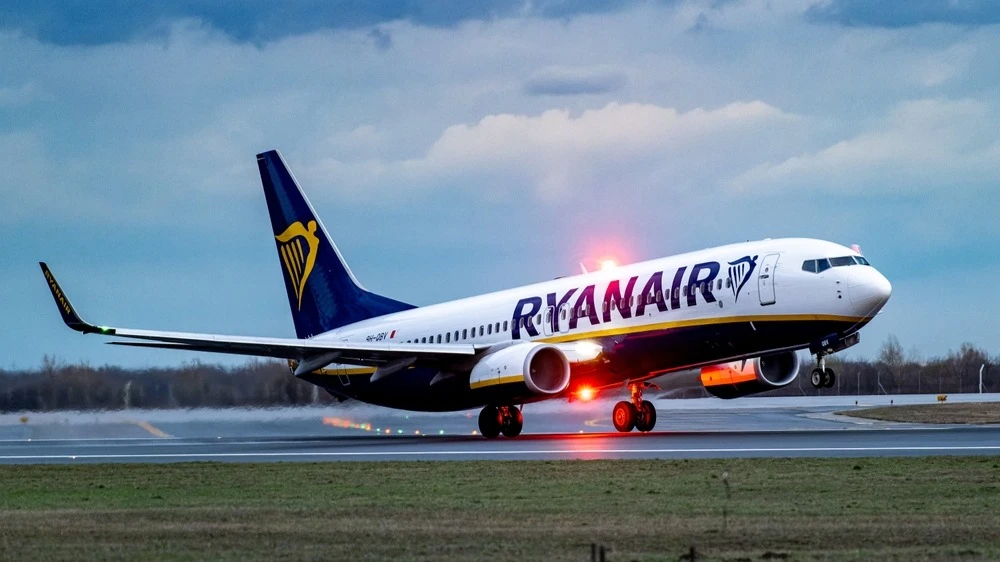
Ryanair CEO Expects the Largest Increase in Airfare Prices in History Next Year / Photo: Cristi Mitu / Shutterstock
Europe is expected to see a record increase in airfare prices next year, said Michael O’Leary, CEO of Ryanair, Europe’s largest airline, against the backdrop of the Middle East conflict. According to him, rising prices for crude oil and jet fuel are forcing airlines to pass on fuel costs to passengers, Bloomberg reports.
Details
Next year, ticket prices for flights within Europe could rise by up to 20%, O’Leary said at a press conference in Brussels. However, he estimates that airlines’ profit margins will still shrink—even an increase in fuel surcharges won’t cover the rising cost of fuel, according to the carrier’s CEO. “Over the next 12 months, Europe is likely to face the largest increase in airfare prices in history. The question is, will this price hike be enough to cover the sharply rising oil bills? I don’t think so,” he said.
According to O’Leary, most European airlines, including Ryanair itself, have no significant hedging in place for next year to protect against oil price spikes. In addition, capacity in the market has shrunk as some carriers are struggling, and tax hikes are further worsening the industry’s outlook. “Next year, 85% of our fuel needs are unhedged, and most other European airlines are in a similar position,” said the head of the low-cost carrier.
Ryanair shares fell 2.4% in trading on October 20, while shares of Germany’s Lufthansa dropped nearly 1% and those of France’s Air France-KLM fell nearly 2%. Since the beginning of the year, Ryanair shares have lost more than 25% in Ireland. If this trend continues through the end of 2026, it could mark the carrier’s worst performance since 2018.
Context
This isn't the first time Ryanair has warned of rising airfare prices. Back in September, the airline had already mentioned a "significant" increase in airfares for short-haul flights across Europe next year if oil prices remain high.
Since the outbreak of the war in the Middle East in late February, airlines around the world have been under pressure due to a sharp rise in jet fuel prices, Bloomberg notes. Ryanair’s latest financial report, published in July, showed that the conflict has also impacted the company’s profits. In addition, the agency notes that passengers have begun booking tickets later due to concerns about disruptions in jet fuel supplies.
What's on the market
Jet fuel prices surged after hostilities broke out between the U.S. and Iran, amid rising oil prices and supply disruptions from Gulf countries. According to data from the International Air Transport Association (IATA), jet fuel prices surged above $200 per barrel in the spring, representing an increase of more than 100% compared to pre-war levels. Later, jet fuel prices slowed their rise. The average global price of jet fuel last week, according to IATA estimates, rose 1.2% compared to the previous week and stood at $192.4, which is, nevertheless, about $100 higher than before the start of the Middle East conflict.
In trading on October 20, Brent futures are trading around $111 per barrel. WTI is trading above $105. Since the start of the war in Iran, the price of Brent crude has risen by more than 54%.
This article was AI-translated and verified by a human editor