Ryanair has warned that ticket prices in Europe may rise due to fuel costs
To reduce losses in the coming months, the airline has already decided to cut back on its winter flights

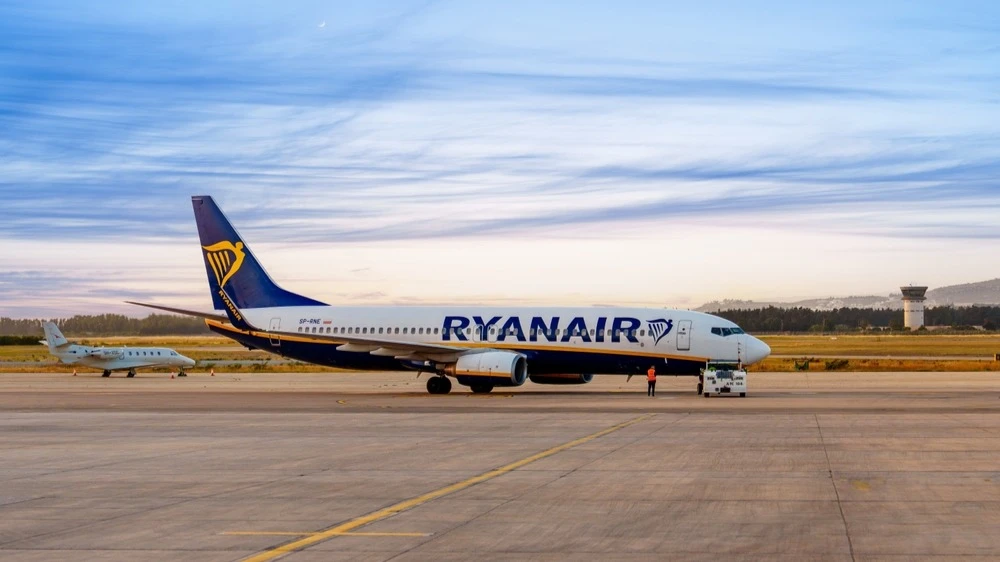
Ryanair, Europe's largest airline, has warned of a possible "significant" increase in airfares across Europe if oil prices remain high / Photo: InFocus.ee/Shutterstock
Ryanair, Europe’s largest airline, has warned of a “significant” increase in airfares for short-haul flights across Europe next year if oil prices remain at their current high levels. In response, the carrier has already begun scaling back its winter flight schedule to cut losses in the coming months and reduce its dependence on unhedged jet fuel prices. Against the backdrop of the conflict in the Middle East and the crisis in the Strait of Hormuz, the price of jet fuel has already reached $140 per barrel, according to the Financial Times.
According to IATA data, the average global price of jet fuel last week was $156.85 per barrel.
Details
If oil prices do not fall, fares for short-haul flights in Europe will rise next year, and “some airlines with less fuel hedging will find it difficult to maintain passenger volumes or even survive,” Ryanair warned.
Ryanair itself is better protected than many other market players, according to MarketWatch: the carrier has hedged 80% of its jet fuel needs through March. However, the remaining 20% must be purchased at current market prices of $140 per barrel, which makes some routes unprofitable. To reduce seasonal losses from €170 million to approximately €100 million, the airline is cutting its winter schedule (November through March) and, at the same time, lowering its passenger traffic forecast for the next 12 months—from 216 million to 214 million passengers.
The airline industry, including Ryanair, is facing pressure due to rising jet fuel prices following the outbreak of war in the Middle East in late February. Given that a peace deal between the U.S. and Iran has yet to be reached and the crisis in the Strait of Hormuz continues, the FT describes the upcoming winter season as challenging for the aviation industry. The newspaper notes that some airlines are expected to cut back on capacity to save money. Earlier this summer, IAG—which owns British Airways and the low-cost carrier Vueling—had already abandoned any plans to increase capacity for the year due to steadily rising oil prices, while Wizz Air reported that passenger growth in August was slower than in July.
Ryanair shares rose 1% on the Dublin Stock Exchange amid reports of cuts to its winter flight schedule; year-to-date, they are down more than 22%.
Why Is This Important?
Jeff Currie, a commodities market expert and senior advisor at the Carlyle Group, warned investors about the risks in the petroleum products market several weeks ago. In an interview with CNBC on August 18, he emphasized: “No one on the planet consumes crude oil except for refineries. Everyone else consumes gasoline, diesel, and jet fuel, and those markets look significantly worse” (quoted by MarketWatch).
The situation is exacerbated by the fact that U.S.-Iran negotiations over the Strait of Hormuz have reached an impasse, notes MarketWatch. Rich Privorotsky, head of the One Delta trading desk at Goldman Sachs, noted that previous spikes in oil prices were smoothed out by “interventions, diplomacy, or attempts to drive prices down.” This time, the U.S. escalated the situation by striking Iranian targets “at a time when oil prices were already rising, and during market hours.”
Privorotsky warned that even if the conflict de-escalates, crude oil is “only part of the problem, since prices for distillates, gas oil, diesel, and European natural gas have already surged,” MarketWatch reports.
What's Happening in the Oil and Fuel Market?
In trading on September 2, Brent futures are trading around $95 per barrel. WTI is trading at around $91.
Before the conflict between the U.S. and Iran began, the average price of jet fuel in the fourth quarter of 2025 was about $91 per barrel, according to IATA data. After hostilities began, prices skyrocketed, reaching a peak of over $230 per barrel in the spring. As of now, prices have retreated from their peak levels but remain significantly higher than pre-war levels.
This article was AI-translated and verified by a human editor