Sales of luxury homes in Dubai have hit a new record despite the war. What are the risks?
Engel & Völkers believes that buying any property in Dubai in the hope that its value will rise is now too risky

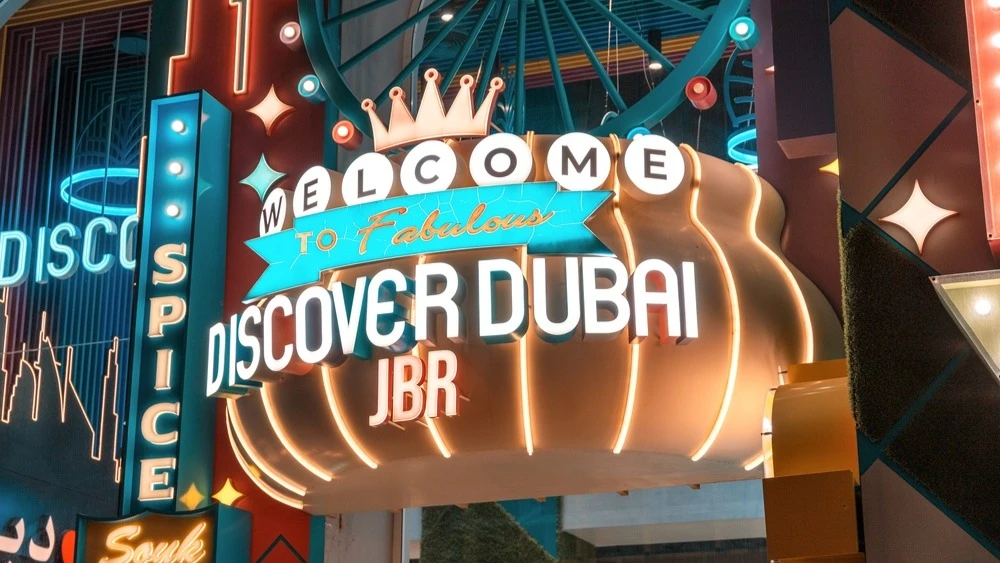
Housing sales in Dubai rebounded in June after a slow May / Photo: frantic00/Shutterstock.com
Dubai’s ultra-luxury real estate market set a new sales record in the first half of the year, despite the increased threat of missile strikes. However, industry experts warn that Dubai’s housing market is no longer as straightforward as it was during the years of rapid growth.
Details
According to the consulting firm Knight Frank, the value of residential property transactions priced at over $10 million reached $5.1 billion—a 14% increase from the previous year. The number of sales of the most expensive properties—priced at over $25 million—hit a new record high, according to Bloomberg. However, a significant portion of these deals had already been agreed upon before the conflict over Iran began to affect the emirate’s market.
“This record was largely driven by transactions that were agreed upon before the war began but were registered four to six weeks later,” the agency quotes Knight Frank analyst Faisal Durrani as saying. According to him, Dubai’s luxury real estate market was also bolstered by the fact that in recent years, more people have been buying homes for themselves rather than for resale.
However, in the mass-market segment, housing prices have fallen by 5–20%, depending on the area, according to Knight Frank analyst Nicholas Spencer. “It won’t be possible to assess the real impact of the conflict on the market until fall—assuming the situation remains stable,” the expert added.
How the Market Has Changed
The Dubai real estate market started 2026 at a record pace, slowed down in the spring, but continued to see major deals involving branded residences and premium projects. May turned out to be the weakest month in terms of sales volume. In June, activity began to recover, and the largest deal of the month was the sale of apartments in the luxury skyscraper Bugatti Residences by Binghatti for 200 million dirhams ($54.5 million), according to Arabian Business, citing the Dubai Land Department (DLD).
What's in it for me?
In 2026, Dubai’s real estate market entered a new phase after several years of rapid growth. Transactions began to close more slowly, buyers became more selective in choosing properties, and price growth began to slow. But this is more a normalization than the bursting of a speculative bubble: unlike previous cycles, the market is supported by strict regulation, steady demand for rentals, economic diversification, population growth, and an increase in the number of foreign buyers, according to a report by the consulting firm Engel & Völkers published in late June.
Investors can no longer simply choose any property in Dubai for investment: they now need to consider the specific neighborhood, the quality of construction, service fees, rental demand, and the future supply in the surrounding area. Instead of trying to guess the perfect time to enter the market, it’s better to look for high-quality properties that are backed by long-term demand and set realistic price expectations, according to Engel & Völkers.
This article was AI-translated and verified by a human editor