Shares of biotech company Liquidia soared 27%. It has settled a patent dispute with a competitor


Pharmaceutical manufacturer Liquidia announced that it has settled all legal disputes with its competitor, United Therapeutics / Photo: Liquidia
Shares of pharmaceutical manufacturer Liquidia soared nearly 27% on October 14. The company announced that it had settled all patent disputes with its competitor, United Therapeutics, which will allow it to continue selling its flagship drug, Yutrepia. A BTIG analyst believes this outcome is better than anyone could have imagined.
Details
Liquidia shares rose 26.6% on the Nasdaq on October 14, reaching $33.94. In premarket trading on October 15, at the time this news was published, the stock was down by about 1%.
The rally was triggered by the company’s announcement that it had settled all legal disputes with United Therapeutics. Under the agreement, Liquidia will pay its competitor a total of $380.7 million: $175 million within 30 days and two installments of $72.7 million in January and April 2027. An additional $60.3 million will go toward payments to third parties affected by the dispute. All of this will allow the biotech company to continue selling Yutrepia to patients with pulmonary arterial hypertension; however, it will remove from the prescribing information the indication for the treatment of pulmonary hypertension associated with interstitial lung disease (when pressure in the pulmonary vessels rises due to damage to lung tissue).
Liquidia believes it will be able to fund the payments using current sales of Yutrepia ($222.7 million, according to preliminary third-quarter data) and its existing cash reserves ($396.1 million as of the end of September), says its Chief Operating and Financial Officer Michael Caseta (as quoted in a press release). The company, he adds, expects to replenish its cash reserves and fund planned clinical trials without raising additional capital.
What Is the Dispute About?
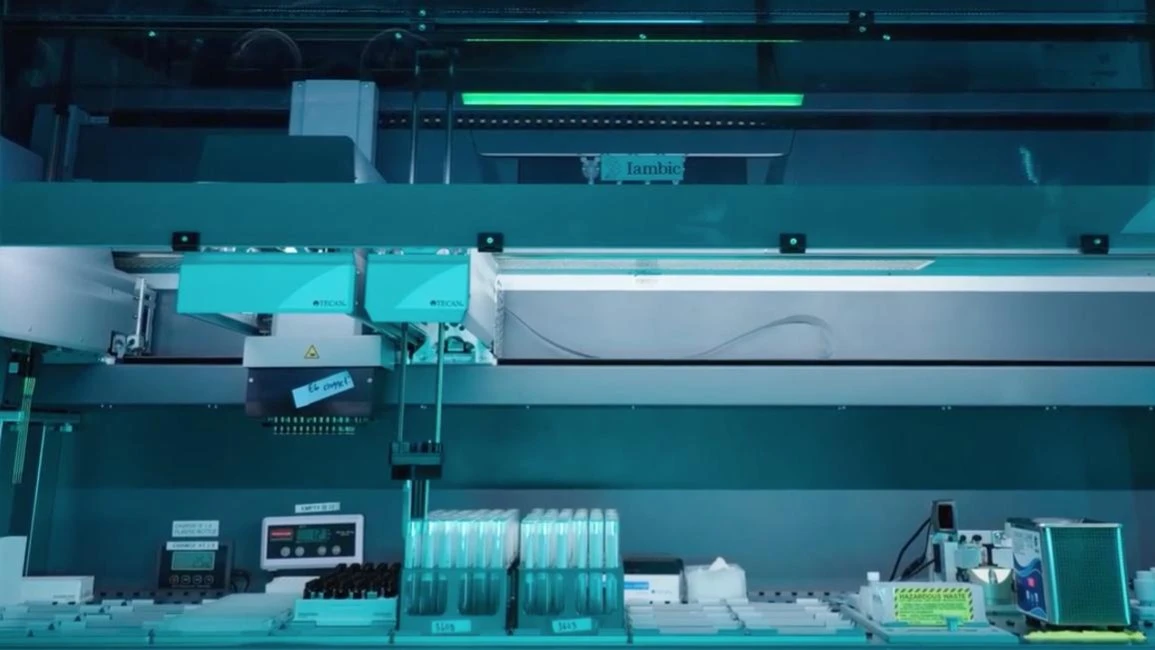
The legal dispute concerned medications containing the active ingredient treprostinil. United Therapeutics manufactures an inhaled version called Tyvaso for the treatment of pulmonary arterial hypertension and pulmonary hypertension associated with interstitial lung disease. Liquidia has developed its own version—an inhalation powder called Yutrepia.
United Therapeutics considered this a violation of patents relating to the drug’s dosing methods, formulations, and indications for use, according to Barron’s.
In late September, the court ruled in favor of United, finding that Liquidia had infringed on two of the six disputed claims in United Therapeutics’ patent. Liquidia stated at the time that it did not yet have the full text of the court’s decision and therefore did not understand the scope of the problem that would affect Yutrepia. According to second-quarter financial data, this is the only drug generating revenue for the company: in the reporting period, revenue grew nearly 20-fold year-over-year to $171.7 million. Following news of the court’s decision, Liquidia’s stock price plummeted by 60% in just one day.
What Analysts Are Saying
“This result is better than even the most optimistic scenario we had envisioned,” according to an investment note by BTIG analyst Julian Harrison, as reported by Barron’s. On the same day, October 14, he upgraded Liquidia’s stock rating to “buy” with a price target of $70. This is the highest target on Wall Street, implying the potential for a twofold increase from the most recent closing price. Harrison believes that the removal of the legal threat will allow the company to confidently market its flagship drug.
In total, Liquidia’s securities have received six “buy” recommendations from Wall Street analysts, with three more advising investors to hold them. The average price target is $53.50—58% higher than the stock’s price on October 14.