Shares of defense companies fell following the Democrats' success in the U.S. What happens next?
The defense budget will be the focus of attention

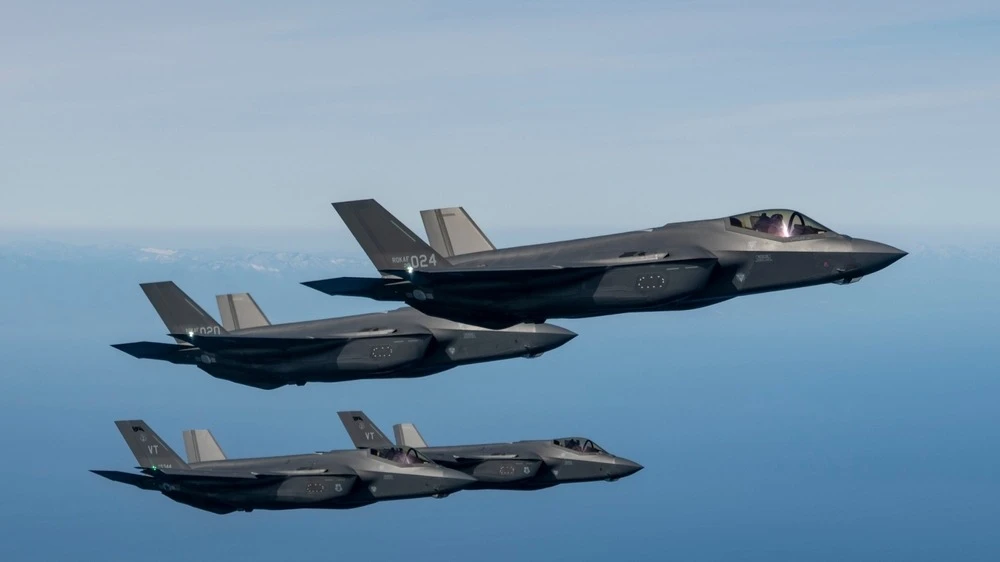
The results of the U.S. congressional elections sent shares of defense companies in the U.S. and Europe plummeting / Photo: Shutterstock.com / Faizinraz
Shares of U.S. and European defense companies plummeted during trading on November 4 after the Democrats secured a victory in the U.S. midterm elections, winning a majority in both houses of Congress. Investors fear that this will complicate the Donald Trump administration’s plans to increase military spending, according to The Wall Street Journal.
Shares of aerospace manufacturers Lockheed Martin and Northrop Grumman fell 7.4% and 5.5%, respectively, while shares of electronics manufacturer L3Harris dropped 7.9% and RTX fell more than 4%. In Europe, shares of defense contractors BAE Systems and Thales fell 4.2% and 2.4%, respectively, at the close of trading in London and Paris.
Investors can expect the Democrats to exercise tighter control over defense spending. In addition, the election results may reflect Americans’ dissatisfaction with U.S. President Donald Trump’s military policy, the WSJ reports. Trump himself attributed the Republicans’ defeat in part to rising gas prices following the start of the war with Iran.
European defense companies had previously benefited from Trump’s inconsistent stance on the war in Ukraine and his threats to withdraw from NATO: concerns about the reliability of U.S. support prompted European countries to rearm, the WSJ notes.
What Analysts Are Saying
The scale of the Democrats’ success in the midterm elections reduces the likelihood of a significant increase in defense spending before January and raises the risk of a federal government shutdown starting December 12 (when the current budget expires), according to Byron Callan, an analyst at Capital Alpha Partners, as reported by the WSJ. “It will take months to assess how funding will be reallocated to meet some of the administration’s [defense] priorities. This will create uncertainty,” Callan noted.
Despite the market’s initial negative reaction, Wolfe Research believes that the decline in defense stocks may prove to be short-lived. Following the 2006 midterm elections, defense contractors’ stocks initially fell by about 2% but then rebounded as military spending continued to rise, notes analyst Miles Walton, as quoted by CNBC.
At that time, the Democrats also gained control of both chambers of Congress under Republican President George W. Bush. Despite the change in political leadership, they ultimately supported increased funding for U.S. military operations in Iraq. According to Wolfe Research, this example shows that a Democratic victory will not necessarily lead to a reduction in the defense budget—especially given the ongoing conflicts between the U.S. and Iran and between Russia and Ukraine.
The next major factor for the sector will be the approval of the defense budget for fiscal year 2027. Republicans may try to pass the spending package before the new Congress takes office in January, according to Wolfe Research.
Wolfe considers the most favorable scenario for the defense industry to be the replacement of Defense Secretary Pete Hegset with a candidate who can secure congressional approval of the budget. According to analysts, the current head of the Pentagon has failed to secure the necessary support from lawmakers. CBS reported on November 4, citing sources, that Trump had consulted with advisers regarding the possible dismissal of Hegset—one of the key figures in the Iran campaign.
This article was AI-translated and verified by a human editor