U.S. defense companies fell 16%. Why is the market worried about a Democratic victory in the election?

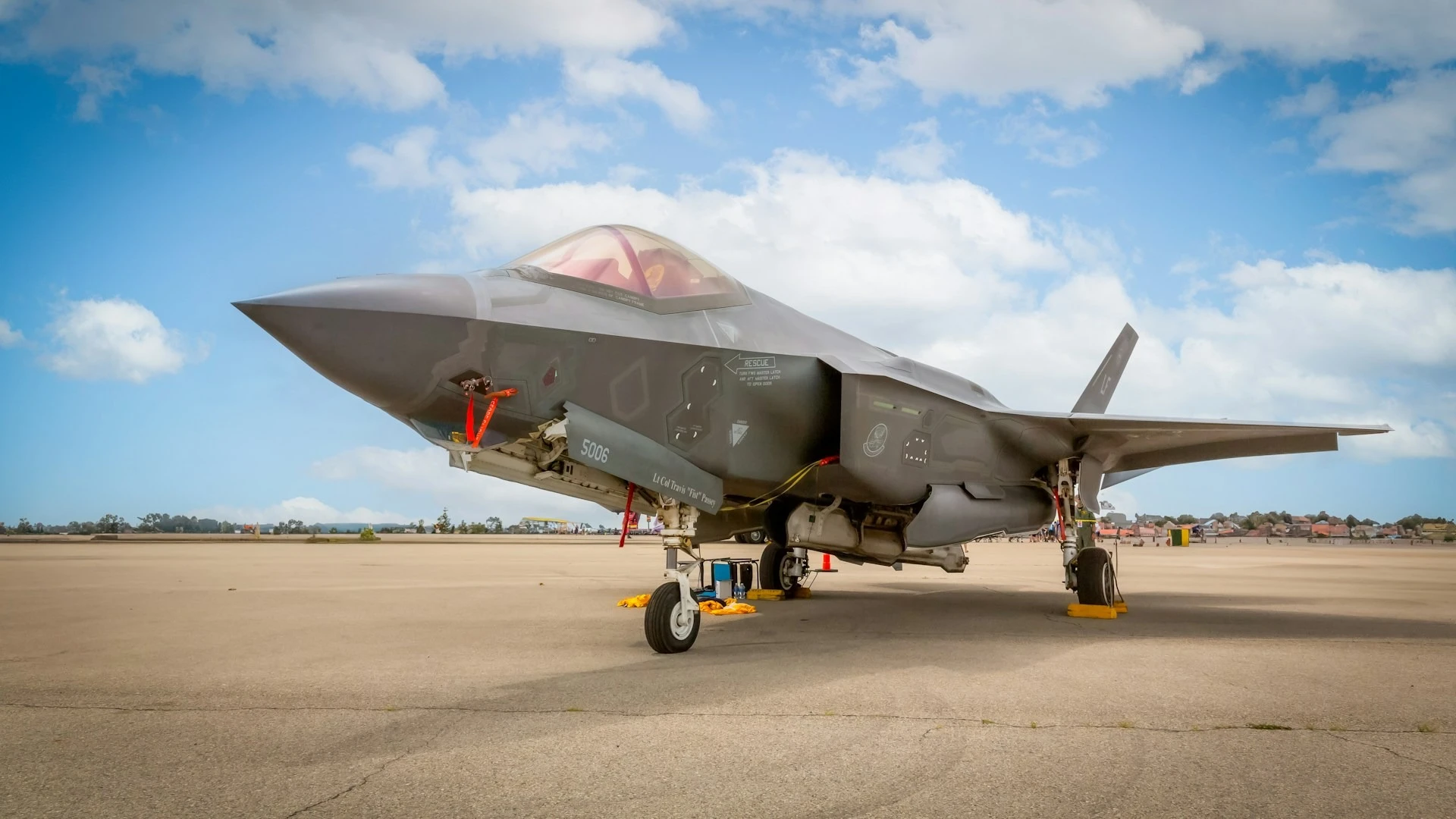
The upcoming U.S. congressional elections are putting pressure on defense company stocks / Photo: Unsplash.com / Rafik Wahba
Shares of U.S. defense companies are falling as the U.S. midterm congressional elections, scheduled for November 3, draw nearer. Investors fear that an expected Democratic victory will jeopardize President Donald Trump’s plans to increase annual military spending by $500 billion, according to the Financial Times.
Details
From early July through mid-October, the iShares US Aerospace and Defense ETF lost 16%, while the probability that Democrats will gain control of both chambers of Congress in the November elections rose by 20%, according to data from the Kalshi prediction markets platform. By comparison, the broad-market S&P 500 index rose 3.5% over the same period. A Democratic victory in the House of Representatives is considered likely, but regaining control of the Senate will be more difficult, the FT notes.
In January, the defense sector enthusiastically welcomed Trump’s proposal to increase annual military spending from $1 trillion to $1.5 trillion, the publication notes. However, the prospects for additional funding have become less certain due to disagreements between Defense Secretary Pete Hegset and Congress over the war in Iran and Democrats’ dissatisfaction with cuts to domestic spending. Fears of inflation and rising Treasury yields are also complicating efforts to reach a bipartisan agreement on increasing the defense budget, the FT notes.
The rise in global military spending and the ongoing conflicts in Ukraine and the Middle East have not yet led to a rise in the stock prices of U.S. defense companies: manufacturers are facing years-long backlogs of unfulfilled orders, and efforts by the U.S. and its allies to replenish ammunition stocks have not led to a noticeable increase in investor interest, the newspaper reports.
Shares of Lockheed Martin, the primary contractor for the Patriot missile defense system, have fallen by more than 20% from their peak reached in early March. Over the same period, shares of aircraft manufacturer Northrop Grumman and military electronics manufacturer L3Harris fell by 35% and 36%, respectively.
How Wall Street Assesses Market Fears
Analysts believe that Democrats are unlikely to push for large-scale cuts in military spending, but may demand that funds be reallocated toward civilian programs. Lawmakers from both parties support increasing missile production to replenish depleted stockpiles, but may scrutinize procurement volumes of expensive weapons more closely, including F-35 fighter jets and Sentinel intercontinental ballistic missiles, according to Byron Callan, managing partner at Capital Alpha Partners, as quoted by the FT. He also notes that Democrats are dissatisfied with the Pentagon’s lack of detailed reporting on expenditures related to the war with Iran.
Randy Gwirzman, a portfolio manager at Baron Capital, believes the market is overestimating the impact of the midterm elections on the industry. According to him, shares of small defense companies have been hit even harder than those of the largest contractors, even though a Democratic victory will not necessarily lead to a significant reduction in funding.
Projects that Trump is personally promoting may prove to be more vulnerable. Robert Stallard, an analyst at Vertical Research Partners, mentioned in this context plans to create a “Golden Fleet” of Trump-class battleships and the “Golden Dome” missile defense system, costing about $185 billion, in which Elon Musk’s SpaceX is actively involved. According to Stallard, these initiatives could be at risk if the political balance in Congress shifts.
Analysts at Cantor Fitzgerald believe that protracted geopolitical conflicts will continue to drive demand for U.S. weapons. In their view, the weakening of U.S. deterrence capabilities due to ongoing conflicts increases the likelihood of further international escalation, which could benefit major defense contractors.

This article was AI-translated and verified by a human editor