Shares of the five tech giants gained $750 billion in a single day. JPMorgan expects a broader rally
Tech giant stocks became the market's driving force after several days of sell-offs triggered by concerns over rapidly rising AI costs

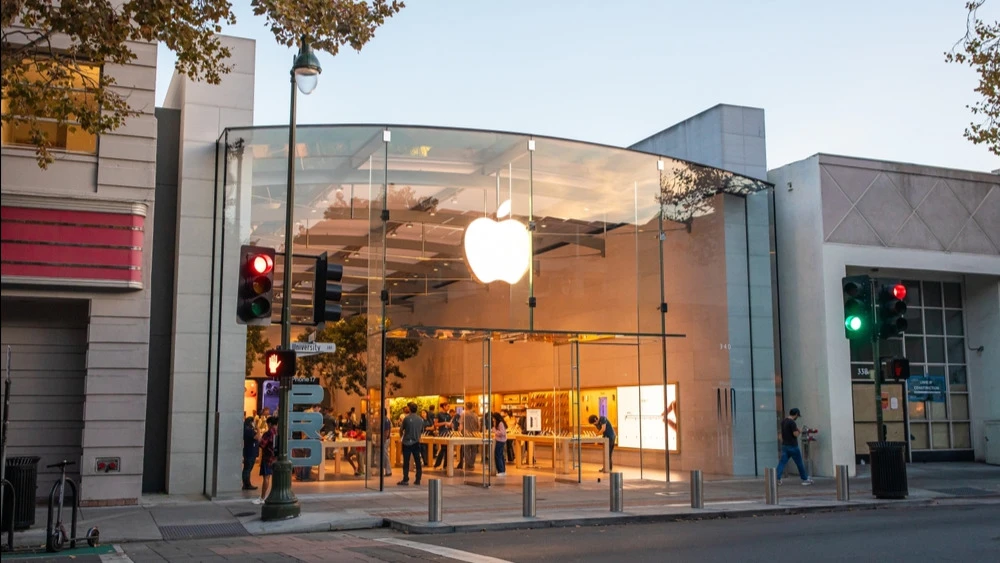
Following the U.S. midterm elections, Apple shares hit a new all-time high / Photo: bluestork / Shutterstock.com
The market capitalization of the five largest U.S. technology companies jumped by $750 billion during trading on November 4—following the Democrats’ success in the midterm elections, according to Reuters. Investors expect that potential restrictions on the construction of new data centers will allow these companies to strengthen their control over scarce computing capacity while easing pressure on their cash flows. JPMorgan Chase’s trading division predicted not only a recovery in stocks following the sell-offs of recent weeks but also that the rally would extend beyond the tech sector, according to Bloomberg.
Details
During the trading session on November 4, as results from the U.S. midterm elections were being tallied, most of the “Magnificent Seven” stocks rose. Amazon shares jumped 7.2%, reaching a three-month high. Meta Platforms shares gained more than 1%, Alphabet rose 3.8%, and Microsoft climbed 6.6%. Apple, which has avoided the massive AI spending typical of other tech giants, but is feeling the negative effects of a sharp rise in memory chip prices amid the AI boom, soared nearly 7%, reaching a record high of $353.
Shares of these tech giants became the driving force behind the rally following several days of sell-offs triggered by concerns over rapidly rising costs associated with the development of artificial intelligence. If the rally continues, the combined market capitalization of these five companies will increase by more than $750 billion, according to Reuters.
The rally marked a sharp turnaround for the stocks of cloud giants, which had been hit hard by recent sell-offs. Their quarterly earnings reports showed how the race to build AI infrastructure is transforming companies that once had huge cash reserves and low debt into businesses with massive expenses that rely on debt financing.

JPMorgan Forecast
JPMorgan’s U.S. Market Intelligence team remains optimistic about the short-term outlook for technology stocks and expects the rally to continue. In its view, the sell-off in technology stocks in late October — early November could create an opportunity for a near-term rebound, even as investors become more selective in assessing potential winners and losers in the AI race.
“We would not shy away from investing in the technology sector and would bet on a short-term recovery,” Bloomberg quotes a note from a team of analysts led by Andrew Tyler. They noted that they prefer a “barbell” strategy that combines stocks of technology and cyclical companies, with a larger weighting toward the latter.
Investors are concerned about the potential consequences of the Democrats taking control of Congress, as well as the outlook for spending on AI infrastructure. Concerns over Texas Governor-elect Gina Inohosa’s proposal to immediately impose a moratorium on the construction of new data until additional regulations are adopted — became one of the factors that triggered a sell-off in stocks during Tuesday’s after-hours trading. According to JPMorgan’s trading division, concerns about a potential change in Texas policy may be overblown, given that data centers can be built in many other states. Furthermore, the new rules will not bring construction to a complete halt.

Nevertheless, the JPMorgan team is not yet ready to give an unconditional green light to investments in AI. Before increasing their investments again, investors are waiting for several signals: a reduction in excess positions in the market, confirmation of hyperscalers’ capital expenditure plans, positive earnings reports from semiconductor and memory chip manufacturers, and a revival of activity in the capital markets, according to Bloomberg.
JPMorgan analysts expect the stock rally to extend to other sectors as well. Among cyclical sectors, JPMorgan favors the consumer and financial sectors, especially if the spread between long-term and short-term bond yields continues to widen.
This article was AI-translated and verified by a human editor