Energy storage developer Eos surges thanks to deal to power Google data centers

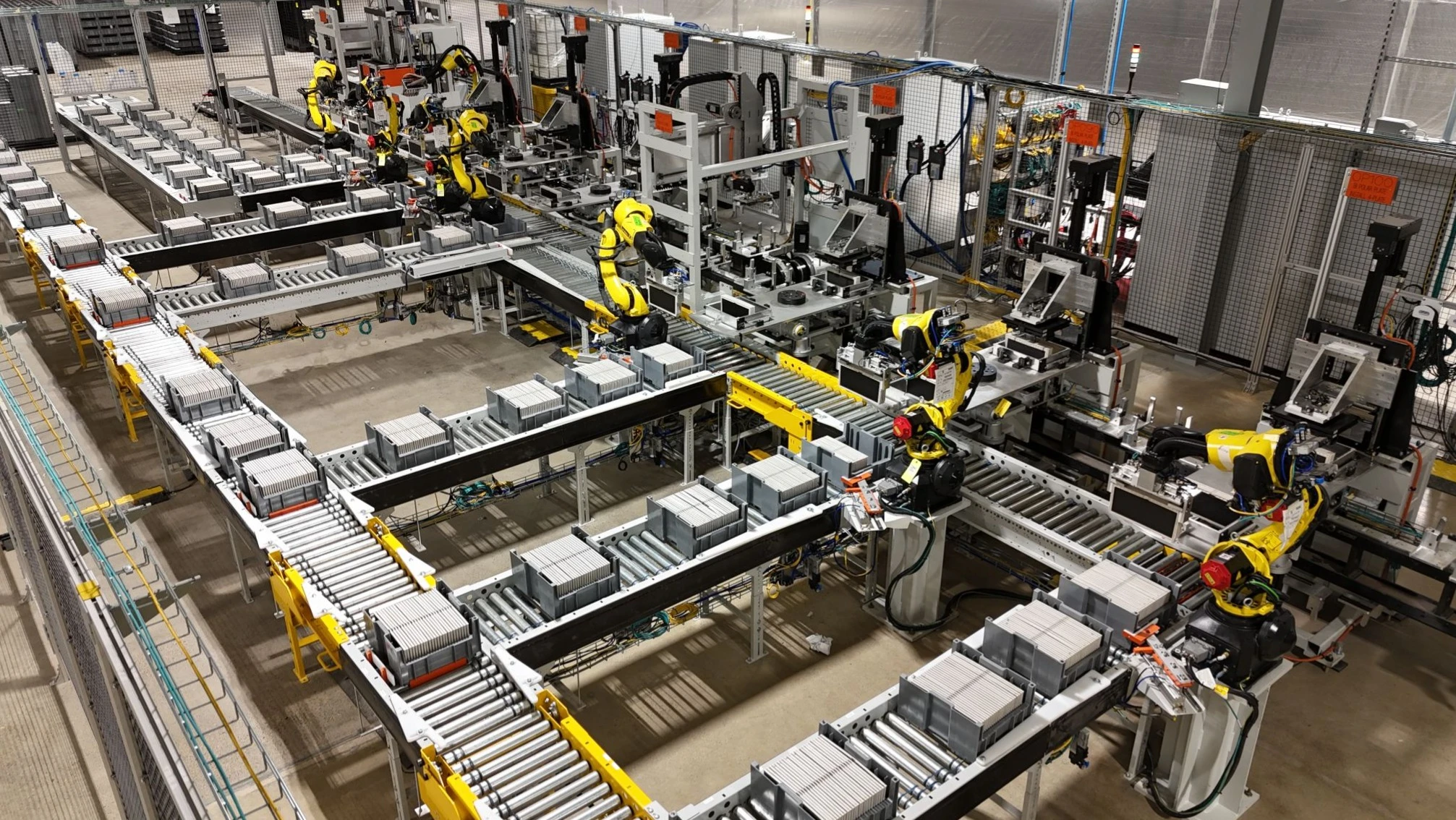
Eos will supply Google with zinc-based data-center batteries for a project in West Virginia / Photo: LinkedIn / company / eos-energy-storage
Shares of Eos Energy Enterprises, a small-cap manufacturer of long-duration energy storage systems, surged almost 19% on Wednesday as the company announced a three-way agreement to help power Google’s data centers.
Details
Eos rose almost 19% on the Nasdaq on Wednesday to $3.61 per share. The company announced that it will launch the Mammoth Solar project together with MN8 Energy, one of the largest independent solar energy producers in the U.S., and tech giant Google.
The project involves building a solar and energy storage facility in West Virginia, including up to $350 million in capital investment, according to the press release. MN8 will own and operate the facility, which will combine lithium-ion batteries with a zinc-based long-duration energy storage system supplied by Eos. The Eos system can provide up to 10 hours of storage, far longer than standard batteries, ultimately helping provide reliable electricity around the clock, Barron’s writes.
Google will purchase the energy generated by Mammoth Solar, which will feed into the grid serving the tech giant’s data centers in the region, including a planned West Virginia project announced in March. The facility is expected to begin commercial operation in 2028, with the energy storage systems following in 2029-2030.
Implications for Eos
The project is a major win for Eos, which has struggled to achieve profitability since going public in 2020, Barron’s notes. Although the company’s second-quarter revenue surged 351% year over year to $68.8 million, its net loss per share increased 14% to $1.20.
Truist Securities analyst Christopher Souther told Barron’s that while Eos’ collaboration with MN8 and Google was encouraging, investors were still waiting for sustained financial improvement. He has a “buy” rating on the stock at a target price of $7 per share, implying almost 94% upside.
His recommendation is not the most popular on Wall Street: only three other analysts have “buy” calls, versus seven “hold” ratings. Still, the average target price is $6.67 per share, almost 85% above the last close.