Shares of luxury brands have plummeted—AI-driven sales are hitting their customers' incomes

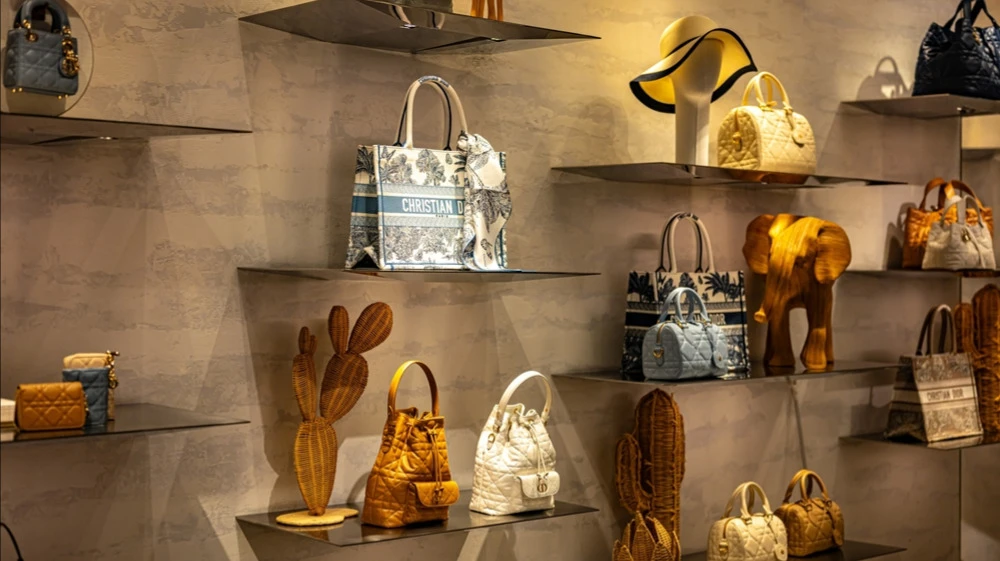
Shoppers who have become wealthy thanks to the artificial intelligence boom are cutting back on luxury goods / Photo: monticello / Shutterstock.com
The STOXX Europe Luxury 10 Index, which tracks the performance of the 10 largest European luxury goods manufacturers, fell by more than 2.5% on November 17. Investors are concerned that a new wave of sell-offs in artificial intelligence-related stocks could lead to a decline in Americans’ wealth and weaken one of the few remaining drivers of growth in the luxury sector, Reuters reports.
Details
At the close of trading on November 17, Hermès shares fell 5.1%, while shares of Italian clothing manufacturer Moncler dropped 4.5% to a four-year low. Shares of France’s Kering and Britain’s Burberry lost 3.5%. Shares of LVMH, the world’s largest luxury goods manufacturer, fell 2.7%.
Companies such as LVMH, Hermès, and Kering have been banking on attracting American shoppers who have grown wealthy thanks to the artificial intelligence boom and the growth of the technology sector, Reuters explains. In this way, luxury goods manufacturers hoped to offset the weakening demand in China and the deteriorating global economic situation since the start of the war with Iran.
“If markets remain volatile and weak, consumer sentiment toward luxury goods could deteriorate. And right now, American consumers are the only ones driving growth in the luxury sector,” Morningstar analyst Elena Sokolova told Reuters.
What's happening with the suite?
Luxury goods manufacturers, which have been trying to recover from a period of weak performance for several years, reported disappointing sales in the third quarter, according to Reuters. Persistent weakness in demand in China, one of the key markets driving the industry’s growth, has increased pressure on the sector’s stocks.
Even long-established and highly sought-after brands need to innovate more aggressively to attract affluent shoppers, Bernstein analysts noted on Tuesday. “China no longer provides an annual influx of huge numbers of new shoppers. The rising cost of living has led many consumers around the world to leave the luxury goods market altogether,” Reuters quoted Bernstein analyst Luke Solku as saying. “Luxury brands are selling more and more goods to the same people as the number of luxury shoppers declines.”
In its 2027 European stock market forecast published on Monday, Morgan Stanley stated that it is maintaining an “Underweight” rating on the luxury sector due to weakening demand in China. At the same time, the bank noted that the sector is relatively less susceptible to the direct impact of changes driven by the development of artificial intelligence.
This article was AI-translated and verified by a human editor