LVMH fashion and leather sales disappoint in 3Q due to demand slowdown in China
Sales at the key division were hit by worsening economic conditions and a consumer backlash in China

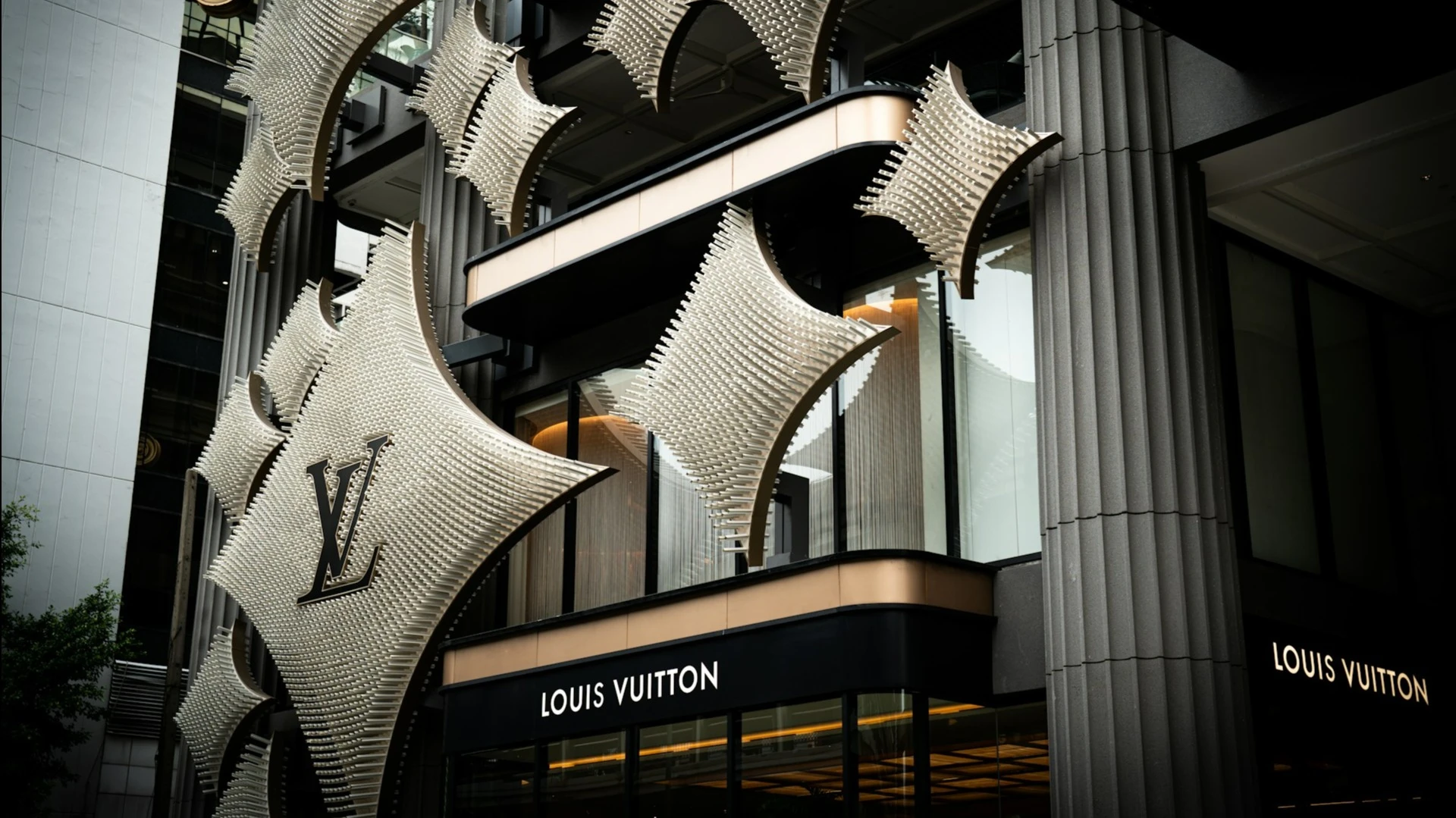
LVMH owns Louis Vuitton and Christian Dior, among other luxury brands / Photo: Unsplash/Sam
Organic revenue at LVMH’s Fashion & Leather Goods division, home to Louis Vuitton, fell 5% year over year in the third quarter. The decline proved much steeper than the 1.57% drop analysts had forecast, Bloomberg reports. Louis Vuitton was hit by a consumer backlash in China, but the group’s results cast doubt on prospects for a recovery across the industry. Analysts warn that stocks in the sector will come under pressure.
Details
The Fashion & Leather Goods division, which generates around half of LVMH’s revenue, performed well in the buoyant U.S. market but was affected by slowing demand in China in the third quarter, the company stated. The results contrast with the previous quarter, when LVMH reported growth at the division for the first time in two years.
Sales of Louis Vuitton, the group’s biggest revenue contributor, suffered in China after the brand won a trademark dispute against local tea maker Molly Tea. Chinese shoppers deemed the court ruling unfair, objecting to the world’s largest luxury group taking a much smaller company to court, Bloomberg argues. The region that includes China was the only LVMH market to post a decline: organic sales, a measure that excludes currency fluctuations, fell 5% there. By contrast, sales rose 5% in the U.S., 4% in Europe, and 6% in Japan.
“In the third quarter specifically, Asia was penalised by a sharp macro-led deterioration in Chinese consumer sentiment, with a tangible impact on discretionary expenses,” LVMH CFO Cécile Cabanis told analysts, as quoted by Reuters. Chinese shoppers account for roughly a fifth of global luxury purchases and were long the driving force behind the sector’s growth, Reuters notes.
The group’s total quarterly revenue rose 1% year over year to EUR18.5 billion, also falling short of analyst estimates, Bloomberg noted. Wall Street had expected growth of 1.3%, Reuters reported, citing the Visible Alpha consensus.
Implications
LVMH was the first luxury company to report third-quarter results, and its performance is likely to deepen doubts over whether the $350 billion industry can soon return to growth after three years of slowing demand, Reuters writes. The industry faces a difficult earnings season, with even top-end brands such as Hermès coming under pressure, the Financial Times argues.
“We think results will likely still be a negative catalyst for the sector overall,” BofA analysts wrote in a note quoted by Reuters. RBC analyst Piral Dadhania expects “modest pressure” on LVMH stock and its peers, Reuters added.
Louis Vuitton is not alone in facing headwinds in China: a tax crackdown on wealthy individuals in the country has become another problem for the entire industry, which is already grappling with the fallout from the U.S. war with Iran and signs of slowing consumer spending in the U.S., Reuters reported. Birkin bag maker Hermès and Gucci owner Kering will report results next week.
Market reaction
LVMH’s American depositary receipts fell around 3.6% in New York following the earnings. The company’s Paris-listed shares have lost more than 40% year to date, putting them on track for their worst annual performance since the 2008 financial crisis, Bloomberg points out. LVMH is the worst-performing stock among major luxury groups this year, falling even more than Hermès.
Europe’s leading luxury groups have lost a combined EUR330 billion in market capitalization since the start of 2026, Reuters added.