"Someone Could Suddenly Destabilize the Market": Dimon on the Risks of High Leverage
Jamie Dimon described the level of margin debt in financial markets as record-high, but went on to explain how the current situation differs from that of 2008

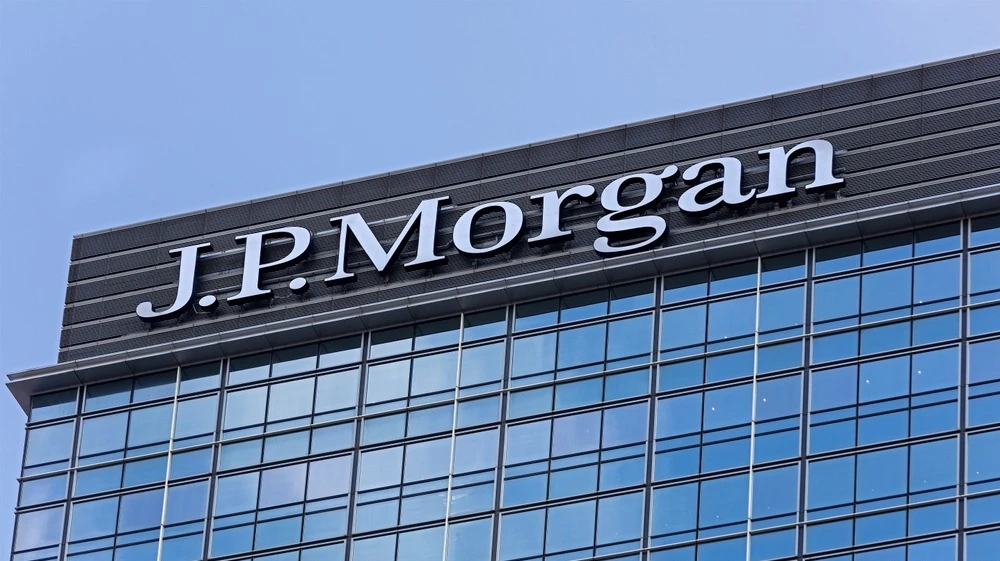
JPMorgan CEO Jamie Dimon warned of the risks posed by high levels of leverage in financial markets / Photo: testing/Shutterstock
The volume of margin debt in financial markets has reached a historic high, JPMorgan CEO Jamie Dimon said in an interview with CNBC. He warned investors about the associated risks and noted that hidden borrowing could exacerbate market turmoil.
Details
Investors, Dimon said, should not overlook “hidden” borrowing: a massive amount of debt in financial markets is not classified as margin debt, even though it essentially constitutes leverage. As examples of hidden leverage, Dimon cited borrowing through prime brokers, hedge funds, ETFs, and arbitrage strategies involving U.S. Treasury bonds.
The widespread use of borrowed funds increases the risk that problems at a single major player could trigger widespread volatility, warned the head of JPMorgan: “In this scenario, the chances are much higher that someone will suddenly destabilize the market and undermine the confidence of other players.”
At the same time, when asked about the recent problems at Leopold Aschenbrenner’s AI-focused fund, Situational Awareness—for which JPMorgan served as one of the prime brokers— Dimon noted that this episode demonstrated the market’s ability to cope with such disruptions without causing more widespread turmoil. He also refrained from calling the high level of leverage a systemic threat: “I won’t say that leverage has reached a systemically dangerous level and will lead to a catastrophe, but it is high,” Dimon added.

Comparing the current market situation to that of 2008, the head of JPMorgan noted that leverage alone does not necessarily lead to systemic stress: “The worst-case scenario is when real losses occur in the market,” he said, explaining that in 2008, the problem was not leverage itself, but rather “the magnitude of losses on mortgage-backed securities that the market had to absorb.”
What Else Did Damon Say?
In addition to credit risks, Dimon highlighted macroeconomic threats. He warned that structural demand for capital—government budget deficits, infrastructure investment, and global rearmament—could trigger a new round of inflation and contribute to persistently high interest rates. “Global rearmament will fuel inflation,” he said, echoing remarks he made earlier this year: if this trend causes investors to demand higher yields for holding long-term bonds, it could “ruin the whole party.”
Context
Daimon’s remarks came amid renewed focus on the use of leverage in financial markets, CNBC notes: Overvalued stocks, significant leverage among hedge funds, and large-scale trading in Treasury bonds have heightened concerns about a potential build-up of vulnerabilities in certain parts of the financial system.
Concerns about this were heightened by problems at Leopold Aschenbrenner’s Situational Awareness hedge fund, which had been gaining popularity. Due to risky leveraged bets on the tech sector during July’s sell-off of AI assets, the fund faced a series of margin calls at the end of last month and was forced to liquidate a significant portion of its portfolio. Ken Griffin’s Citadel hedge fund became the primary buyer of Situational Awareness’s assets.
This article was AI-translated and verified by a human editor