The cost of insurance against a SpaceX default has reached a record high. Is this a problem for investors?
Market participants are concerned about the debt burden and political risks associated with Elon Musk

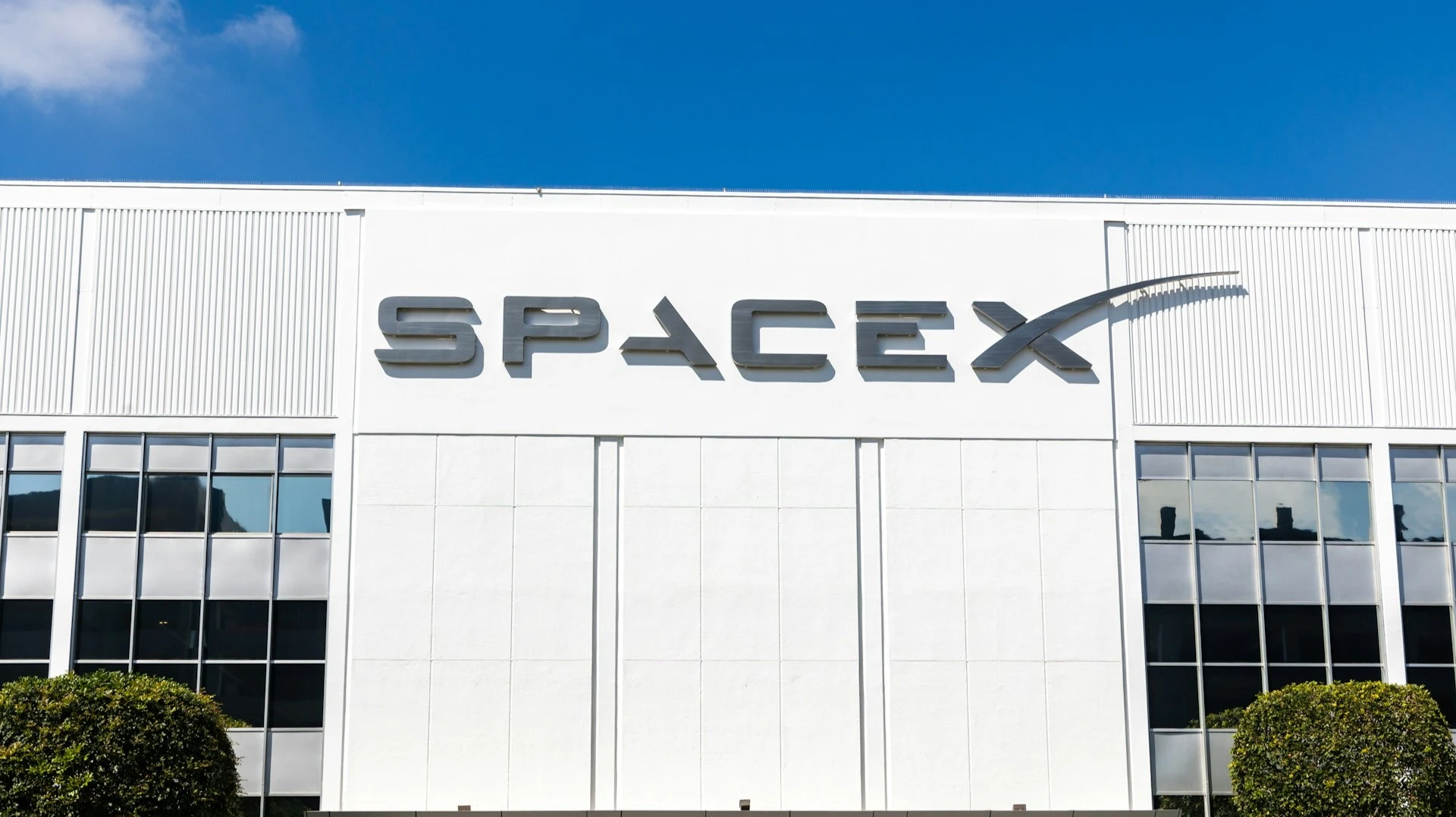
SpaceX's Default Risk Has Reached a Record High / Photo: Unsplash.com / Sven Piper
The cost of insuring against default on the debt of Elon Musk’s space company, SpaceX, rose on Thursday, November 5, to an all-time high, Bloomberg reported. The cost of five-year credit default swaps (CDS) on SpaceX’s debt rose by 14.6 basis points on Thursday to a record 284.3 basis points per annum, Benzinga reported. The spike in SpaceX’s CDS was more significant than that of other computing providers, Bloomberg notes.
Details
The rise in credit risk coincided with a broad sell-off in the U.S. stock market, which was triggered by a drop in chipmakers’ stock prices. Shares of SpaceX and Tesla—both companies led by Elon Musk—fell 9% and 11%, respectively, and their combined market capitalization shrank by $450 billion over two days. Investors are concerned not about SpaceX’s space operations, but rather its artificial intelligence computing business, due to fears that Democrats, who now hold a majority in Congress, will block the construction of data centers and impose stricter regulations on AI.
“Tighter permitting rules, restrictions on electricity costs, and opposition from local residents could slow the next wave of [data center] construction,” says Robert Schiffman, a credit analyst at Bloomberg Intelligence. In his view, this “will support lending by reducing capital intensity and the need for external financing.”
"Data centers in space now seem quite appealing," Musk wrote on the social media platform X on Wednesday, November 4, when the election results were announced.
On Thursday, the yield on one of cloud computing company CoreWeave’s bond issues also jumped to a record high of over 17%, according to Bloomberg. Key indicators of perceived risk across the entire U.S. corporate bond market deteriorated the most in nearly eight months, the agency added. However, the spike in SpaceX’s CDS spread was much more pronounced than that of other hyperscalers—the largest cloud service providers—for whom the increase was relatively modest, it reports.
“We’re seeing few profitable deals and too many creditors counting on the next creditor to pay off their debts,” Bloomberg quotes Hunter Hayes, investment director at Intrepid Capital, as saying. “I fear that many companies will face difficulties without support from the credit markets, and some may not even make it to the finish line,” Hayes added.
Context
SpaceX’s credit risk metric last set a new all-time high during negotiations in October regarding the possibility of raising funds to purchase Nvidia chips for the development of the company’s AI division. In October, SpaceX announced that it had signed a $40 billion equipment lease agreement with Apollo Global Management. Goldman Sachs and Apollo are currently in talks to sell stakes in this financing.
After the deal was announced, Musk said that SpaceX was able to secure funding despite a sharp deterioration in lending conditions for AI infrastructure developers, thanks to its investment-grade credit rating and stable revenue from rocket launches and Starlink satellite internet. The billionaire stated that under these conditions, he expects “consolidation and mass extinction” among non-cloud companies, which include CoreWeave and Nebius. “Over the past few weeks, the debt markets have almost completely cut off access to capital for any company that does not have significant revenue that is not dependent on AI data centers,” Musk added.
In recent weeks, Neoclouds have effectively lost access to the bond market, according to The Wall Street Journal: lenders and investors have become more selective when financing the construction of artificial intelligence infrastructure and are demanding stricter terms from borrowers.
SpaceX shares have fallen 24% over the past month. But the most common analyst recommendation for the stock is to buy: the stock has 36 “Buy” and “Overweight” ratings, according to MarketWatch. Nine other analysts recommend holding, and two recommend selling. The average price target of $256 is more than double the closing price on November 5.
This article was AI-translated and verified by a human editor