Spanish stocks are among the best in Europe. What should investors watch for during the elections?
Changes in the government could lead to a review of tax policy and regulation in the energy sector

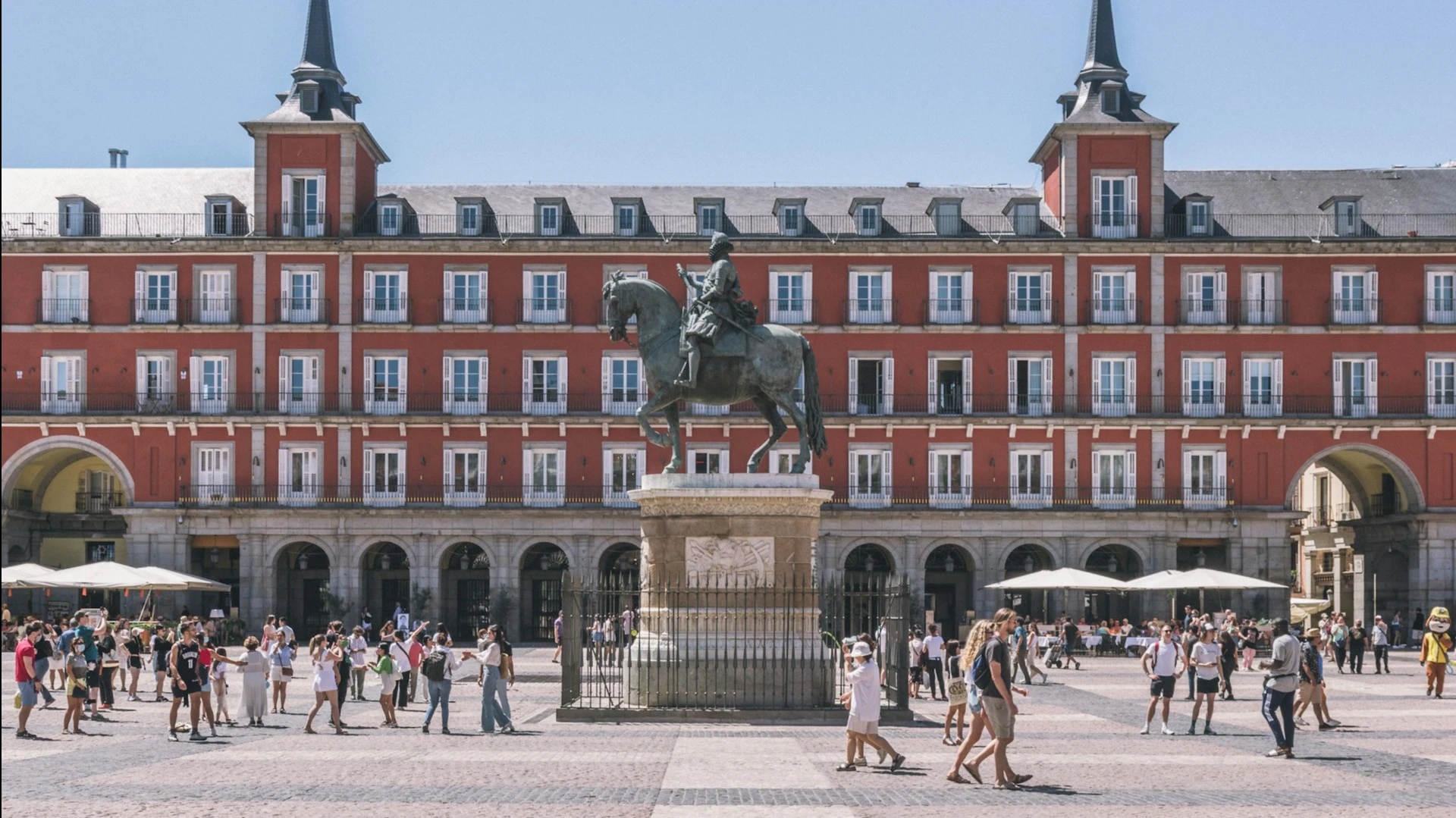
Spain May See a Change in Government After the Elections / Photo: Unsplash/Kristijan Arsov
General elections will be held in Spain on November 29, which could affect stocks on the local stock market, including the sectors most popular with investors, according to Bloomberg. The Spanish IBEX 35 stock index is among the top performers in Europe this year in terms of growth and is on track to rise for the fourth consecutive year.
Polls as of November 23 showed that Prime Minister Pedro Sánchez’s Socialists are trailing the opposition People’s Party, led by Alberto Núñez Feijóo, who could form a coalition with the right-wing party Vox, Bloomberg notes.
According to Barclays strategists, the change in government is likely to have the greatest impact on companies focused on the domestic market, through taxes and regulation. The bank’s analysts believe that the People’s Party and Vox coalition coming to power could strengthen the position of Spanish stocks through tax cuts and a more business-friendly agenda.

“If you have a very strong, growing economy and, on the political front, you’re likely to see slightly more traditional and business-friendly policies, the outcome will most likely be viewed positively by the markets,” — says Kevin Toze, portfolio advisor at Carmignac (quoted by Bloomberg).
Which sectors should investors consider?
Banks
Banks have been the main driver of the rally in Spanish stocks in recent years: they serve as the clearest indicator of how investors are assessing the election outcome, according to Bloomberg.
A temporary tax on banks’ excess profits, introduced in 2022, will be of key importance. Sánchez promises to extend it and allocate €1.4 billion to address the housing crisis. The People’s Party intends to push for its repeal. According to Citigroup analysts, CaixaBank, Sabadell, and Unicaja Banco are the most vulnerable to the tax due to their focus on the domestic market.
The vote could be particularly significant for CaixaBank, whose shares have risen by more than 350% since January 2022, according to Bloomberg. The government owns an 18% stake in the bank, and Feijóo has stated that this stake will be put up for sale. Santander and BBVA, according to Citigroup, “appear to be better protected against possible election outcomes thanks to their international diversification.”

Energy
Spain is one of the fastest-growing renewable energy markets in Europe, where private investors have poured billions into the sector: this has led to excess capacity and negative wholesale prices for solar power producers. Sánchez’s support for the industry in the form of subsidies explains why shares of Grenergy Renovables, Corporación Acciona Energías Renovables, and Audax Renovables fell on the day the election was announced, Bloomberg notes.
A coalition between the People’s Party and Vox could prioritize extending the operating life of nuclear power plants, according to analysts at Alantra Partners. Barclays predicts that greater clarity in nuclear policy and regulatory easing will benefit Iberdrola and Endesa. Meanwhile, Bloomberg suggests that the developer Solaria Energia y Medio Ambiente could benefit from growing demand for electricity from data centers.
"The market is pricing in a change in government, which could create additional demand for energy from data centers and economic development," said Fernando Garcia, an analyst at RBC Capital Markets (as quoted by Bloomberg).

Data Centers
Spain's rapidly growing data center sector has attracted billions of euros from Amazon, Blackstone, and Merlin Properties Socimi.
The People’s Party promises to repeal the decree requiring data centers to meet 80% of their energy needs from renewable sources within five years, according to Bloomberg. On the day the decree was passed, Merlin’s stock fell 3.6%. Alantra calls a possible change in government “a clear positive” for Merlin and Solaria: analysts believe the new coalition will support investment in the sector.
Construction
The housing crisis has become one of the key factors driving the election. The new government may change its approach to construction, which is drawing attention to developers Neinor Homes and Metrovacesa, Bloomberg noted. Metrovacesa became the sector leader in 2026 with 19% growth, although Neinor has led over the past four years, the agency added. Greater clarity in housing policy could stimulate construction, according to Kevin Toze of Carmignac.

Bonds and Government Assets
Spanish government bonds are heading into the elections from a relatively stable position: the yield spread on 10-year bonds relative to German bonds narrowed in January to its lowest level since 2008 and remains significantly lower than comparable spreads for France and Italy.
Economists at Barclays, led by Saadalla Nadr-Yazdi, consider the electoral risks to be “generally contained,” as any government is likely to be led by a centrist party (leaning either to the right or to the left).
"Spain's credit outlook is supported by factors that are relatively independent of the electoral cycle," said Carlo Capuano, executive director of Scope Ratings.
Investors are paying particular attention to the government’s stakes in strategic companies: through the SEPI holding company, the government owns 10% of Telefónica and 28% of the defense contractor Indra Sistemas. Feijóo stated that he would seek to have the future government divest its stake in Telefónica. Meanwhile, Indra is going through a period of turmoil due to former board chairman Ángel Escribano and his proposal to merge the company with his family’s defense firm. In addition, the company may be sensitive to increases in defense spending, which Sánchez had previously refused to raise to meet NATO targets, while Feijóo promises to first conduct an audit of public finances, according to Bloomberg.
Alantra expects less government intervention in the affairs of Indra and Telefónica under the new administration, the agency added.
This article was AI-translated and verified by a human editor