Stocks in Asia surged following a drop in oil prices. What could halt the markets' rally?
Trump promised to hold off on new strikes against Iran

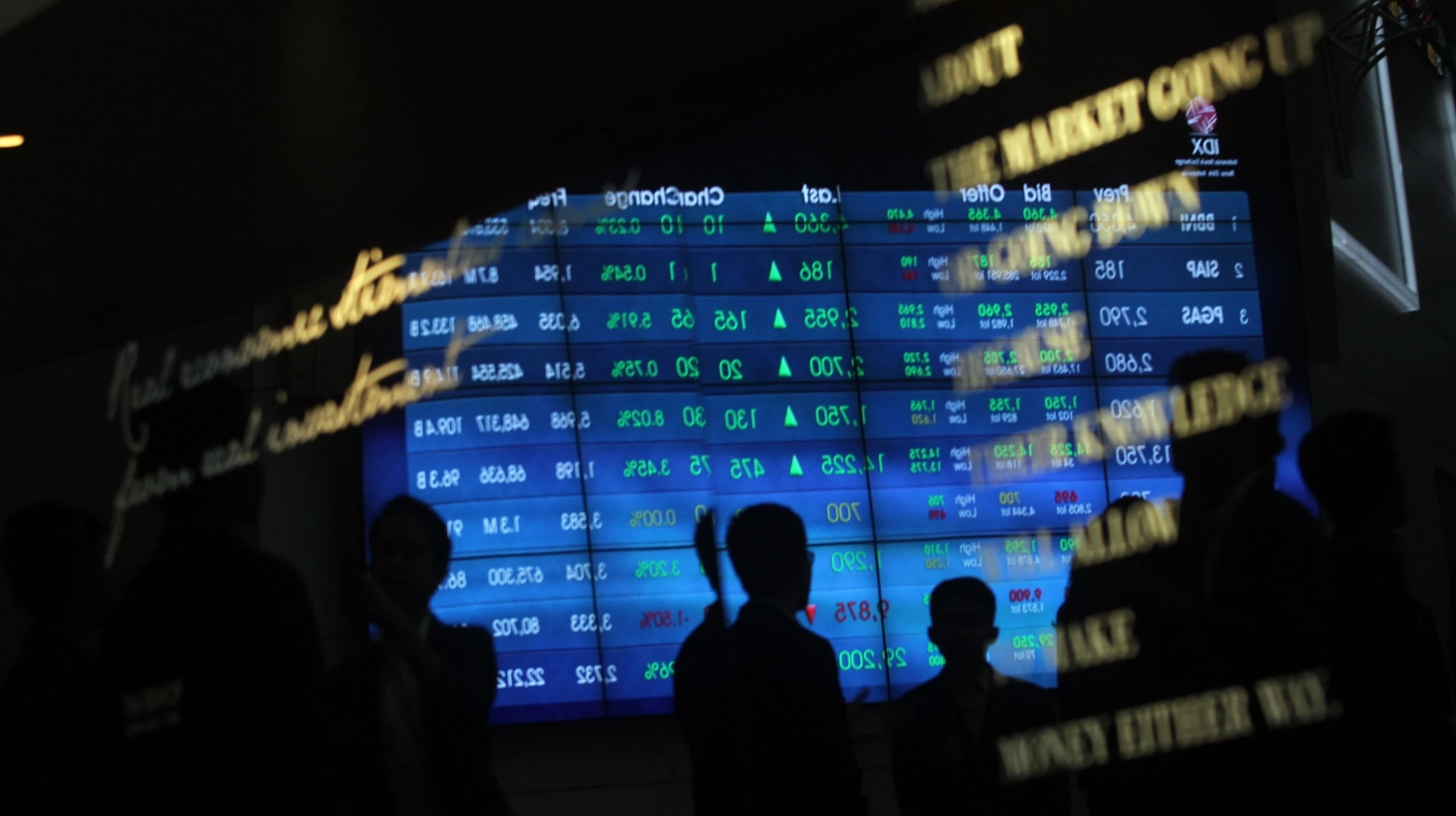
South Korea’s main stock index, the KOSPI, rose 4.6% by 10:40 a.m. Astana time, while Japan’s Nikkei rose 3.3%. The MSCI Asia-Pacific stock index gained 1.5% at the start of trading, pulling back from the seven-month low it hit last week. Investors were encouraged by falling oil prices after U.S. President Donald Trump said he plans to hold off on new strikes against Iran, Reuters reports.
By 10:50 a.m., the benchmark Brent crude oil price had fallen 0.9% to $91.7 per barrel and remained near its lowest level since early September. The conflict between the U.S., Israel, and Iran, which began in late February, has heightened global inflation fears, prompting major central banks to raise interest rates in recent months. The drop in oil prices has eased those concerns.
Oil prices may rise again
Oil prices have fallen as investors hope for possible talks between the U.S. and Iran, Reuters notes. Nick Twidale, chief market strategist at brokerage firm ATFX Global, believes that following Trump’s statement, the end of the conflict may be approaching, but lasting peace is still a long way off.
"There is now a risk that the markets have gone too far, too fast," Twydale warns (as quoted by Reuters). According to him, any sign that negotiations are stalling could trigger a sharp drop in oil prices: traders would quickly reintroduce a premium for geopolitical risk.
What's next?
On November 10, U.S. inflation data for October will be released, which could influence expectations regarding the Fed’s interest rate. According to Reuters, economists predict, on average, that consumer prices in the world’s largest economy rose 0.3% over the month, while the core index—excluding food and energy—rose 0.2%. They describe this increase as moderate but believe inflation is still high enough that the Fed will most likely raise rates in December.
Last week, stocks fell after the Democratic Party’s decisive victory in the U.S. elections heightened investor concerns that Democrats might tighten regulations on AI companies and slow the growth of their stock prices. Citi equity strategist Stuart Kaiser warned in an November 8 report that concerns related to AI could continue to be a source of risk. “We still wouldn’t buy the stocks that have fallen in price,” The Wall Street Journal quoted him as saying.
This week, cloud provider CoreWeave will report its earnings—Reuters calls it “a barometer of investor anxiety over AI.” Next week, Nvidia, the world’s second-largest company by market capitalization, will report its earnings. Its co-founder and longtime CEO, Jensen Huang, has found himself at the center of a spying scandal. On November 9, Nvidia’s stock fell 4.3% in New York.
This article was AI-translated and verified by a human editor