Stocks pulled back from record highs amid inflation concerns

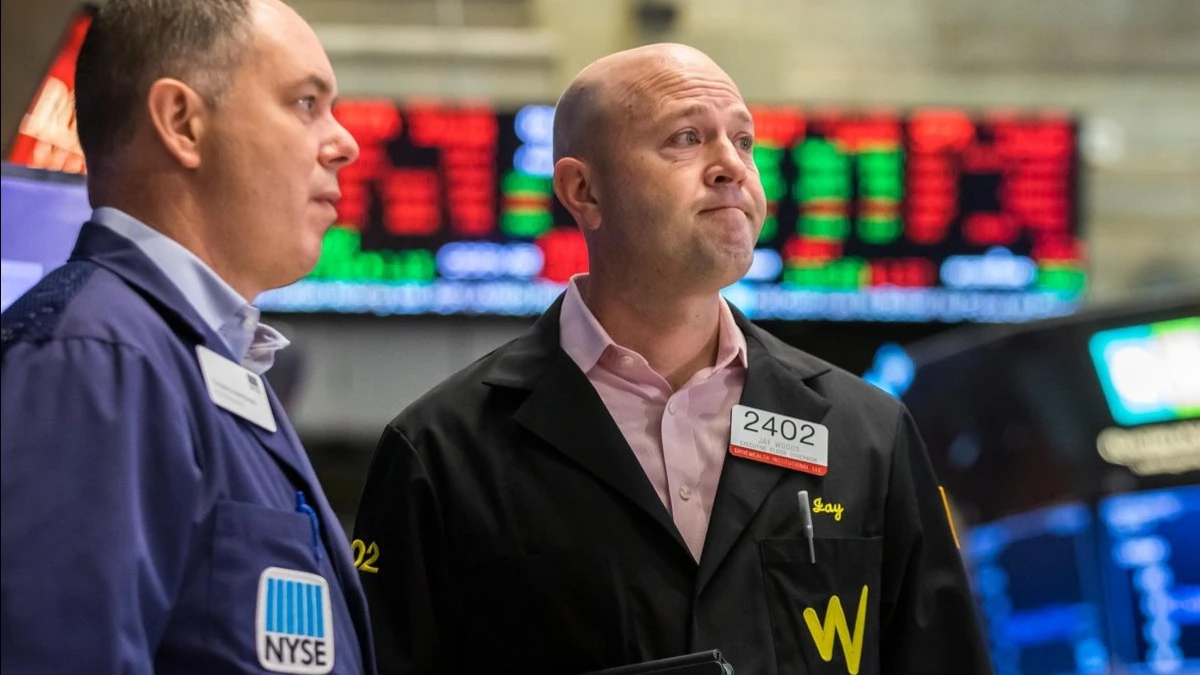
Photo: X / NYSE
The rally in U.S. stocks, which had pushed the S&P 500 and the Nasdaq Composite to new all-time highs the previous day, hit a roadblock on October 7, according to Bloomberg. Oil prices, which remain high, have heightened concerns about potential inflationary pressures that could prompt the Federal Reserve to raise interest rates, the agency notes.
These concerns led to a decline in the S&P 500 index from its all-time high; on October 7, it closed down 0.22%, while the Nasdaq Composite fell by the same amount and the Dow Jones dropped 0.66%.
The price of Brent crude oil stabilized at around $100 per barrel as traders assessed the escalation of Iranian attacks on ships in the Strait of Hormuz. U.S. 10-year Treasury bonds rebounded from intraday lows following a successful $39 billion auction by the Treasury, but yields on these Treasuries remained near their highest levels since 2002, the agency notes. Moreover, Bloomberg reports that the auction details pointed to strong demand: the bid-to-cover ratio rose to 2.77—the highest level since 2016. Investors who are not primary dealers purchased a record 97.5% of the offering.
Bitcoin, under pressure from rising oil prices and higher Treasury yields, briefly fell below $83,000, dragging other cryptocurrency assets down with it. Coinbase shares fell nearly 4%, Robinhood shares dropped 2%, and Strategy shares declined 6.8%.
Investors are demanding higher compensation for holding bonds due to concerns about inflation, government spending, and a sharp rise in corporate borrowing to finance the development of artificial intelligence, Bloomberg reports. Against this backdrop, money markets are pricing in a high probability of another Fed rate hike by the end of 2026. The minutes of the Fed’s latest meeting, released on October 7, also signaled that most officials at the U.S. central bank are leaning toward this course of action.
“There will likely be another rate hike this year,” noted David Russell of TradeStation. In his view, the Fed’s current monetary policy is not overly “restrictive,” and given that “inflation exceeds the [Fed’s] 2% target, while most indicators of economic activity [in the U.S.] remain strong, the Fed’s top priority under its mandate remains ensuring price stability,” he added.
“Market expectations regarding the Fed’s [next moves] will fluctuate as new data comes in,” noted Thomas Martin, senior portfolio manager at GLOBALT (as quoted by Reuters). “The market is still expecting further rate hikes, but not necessarily at every [Federal Reserve] meeting. That is precisely what the Fed is signaling right now: there will be a pause [in monetary tightening] in October,” he said.
According to data from the CME's FedWatch tool, traders expect the Fed's next rate hike to occur in December: they estimate there is an 85% or higher probability that the rate will be raised at that meeting.
This article was AI-translated and verified by a human editor