Taiwan Has Taken the Lead from Korea: What Attracts Investors to a More Expensive Market

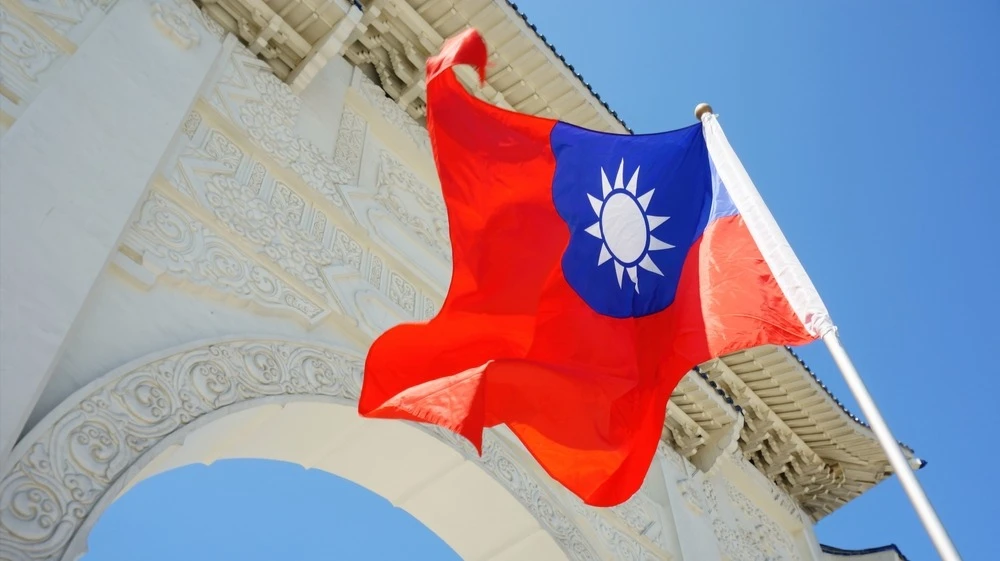
Taiwan's Taiex index surpassed South Korea's Kospi and topped the list of more than 90 stock indices tracked by Bloomberg / Photo: Kit Leong / Shutterstock.com
Taiwan has taken the top spot globally in terms of stock market growth since the start of the year, ahead of South Korea, according to Bloomberg. According to Vikas Pershad, a portfolio manager at M&G Investments, Taiwanese companies offer a wider range of investment opportunities, and their earnings forecasts are proving to be more stable than those of Korean companies.
New Leader
In the third quarter, Taiwan’s Taiex index outperformed South Korea’s Kospi by 23 percentage points—the widest gap since the start of the century, according to Bloomberg. In 2026, the Taiex rose 72% and topped the ranking of more than 90 stock indices tracked by the agency. South Korea’s Kospi slipped to second place with a 63% gain.
Both markets play a central role in the supply chains that support demand for AI. In September, BlackRock recommended increasing the share of emerging-market stocks in portfolios and highlighted the key role of Taiwan and South Korea in the supply of semiconductors, including memory chips.
The third quarter saw a collapse in the Korean market: in July, the KOSPI lost 22%, marking its worst performance since the global financial crisis. Forced liquidations of leveraged positions in chipmakers’ stocks led to trading halts.
Dear Taiwan
In terms of the ratio of stock prices to expected earnings for the coming year, the Taiwanese market is significantly more expensive: the Taiex index’s forward P/E ratio is about 18, compared with 5.5 for the Kospi, according to Bloomberg. The agency attributes the low valuation of Korean stocks, in particular, to concerns that the memory market cycle is nearing its peak. It is precisely the memory manufacturers—South Korea’s two most valuable companies, Samsung and SK Hynix—that account for about half of the KOSPI index’s weight.
At the same time, fund managers tend to favor Taiwan. In a September survey by Bank of America, about 40% of respondents reported an increased share of Taiwanese stocks in their portfolios, while only 25% cited Korean stocks, according to Bloomberg.
"For us, the difference lies not simply in the degree of dependence on AI, but in what drives profits," the agency quotes Vikas Pershad of M&G Investments as saying.
Volumes vs. Prices
Bloomberg attributes the optimism surrounding Taiwan to the extensive involvement of its companies in the AI supply chain. For the first time since March 2025, their earnings forecasts have improved more significantly than those of Korean companies. The proportion of stocks on the Taiex that have at least doubled in price since the start of the year was also higher than on the Kospi: according to the agency’s data as of October 6, it was approximately 10% versus 4.1%.
Pershad explains the difference between the two markets in terms of companies’ revenue sources: “In Taiwan, profits are growing due to volume, so the upward revision of profit forecasts affects more companies and proves to be more sustainable. In Korea, prices are driving profit growth in the near term.”
For example, Samsung’s chip division’s operating profit surged 255-fold in the second quarter. Demand for AI has exacerbated the shortage of memory chips, and rising prices helped the manufacturer set a record. Samsung’s preliminary results on October 8 will show whether the company can convince investors of the long-term prospects for its business, according to Bloomberg.
Société Générale also “continues to favor Taiwanese stocks over Korean ones, given the differing earnings growth outlooks,” Bloomberg quotes a note from the bank’s strategists as saying. According to their forecast, as competition from Chinese chipmakers intensifies, the rise in memory chip prices will slow in the coming quarters, and prices will normalize in 2028.
This article was AI-translated and verified by a human editor