Samsung's chip business profits have surged 255-fold. Why are its shares soaring?
Samsung's net profit jumped 14-fold, but its mobile business posted a loss for the first time

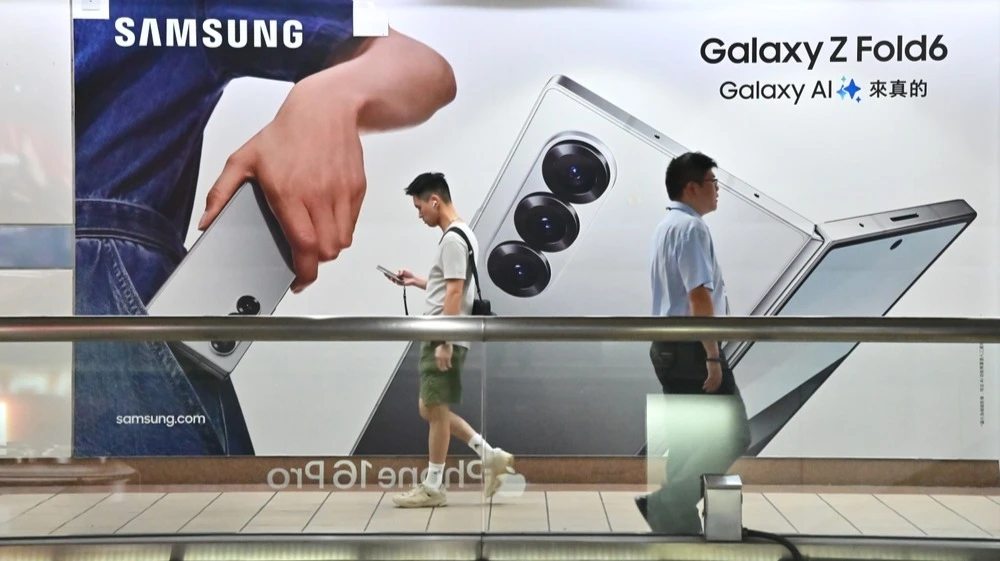
The spike in memory chip prices resulted in a loss for Samsung in the mobile device segment / Photo: Moment Capsule/Shutterstock.com
Operating profit at Samsung Electronics’ chip division soared more than 250-fold in the second quarter. The AI boom spurred demand for chips, while shortages drove up prices and helped the South Korean company set a new record. But even the strong earnings report failed to reassure investors: shares of the largest electronics and components manufacturer fluctuated sharply several times and ultimately lost nearly all of their gains.
The Shortage Brings in Billions
Operating profit for the Device Solutions (DS) chip division soared 255-fold—from 350.2 billion won ($243 million) a year earlier to 89.2 trillion won ($61.9 billion), according to the financial statements. The consensus estimate cited by Bloomberg had projected growth to 79.3 trillion won. Samsung’s consolidated net income jumped 14-fold to 71.3 trillion won ($49.6 billion), which also exceeded expectations.
At the same time, high memory prices have hit the mobile device segment: for the first time, this division ended the quarter with an operating loss of 700 billion won, according to Reuters.
Samsung expects the chip shortage to intensify and last until 2028. Reuters notes that this forecast comes amid investor concerns that major tech companies may cut back on AI spending and slow the industry’s growth. S&P also expects sustained demand through 2028. According to the rating agency, Samsung will post “very strong operating results” for at least two years thanks to growth in the memory market and the strengthening of its position in the high-bandwidth memory (HBM) segment and contract chip manufacturing, Nikkei Asia reports.
How did the market react?
Samsung’s record results failed to ease volatility: the company’s shares initially fell 3% during trading in Seoul. After Samsung announced long-term contracts to supply memory to major tech companies and promised to return its unprofitable contract chip manufacturing business to profitability “in the near future,” the stock reversed course and jumped 8%. But then they lost all their gains and ended the day down 0.7% after all.
The problem goes beyond Samsung
Samsung’s report came after a two-day sell-off in the South Korean market. On July 30, the local KOSPI index fell more than 1%, even though it had risen 5.5% at the start of trading. By that date, the index had already lost 33% since the beginning of July and was close to its worst monthly performance on record. SK Hynix fell another 5.6% on July 30—after losing nearly a quarter of its market value over the previous two days.
Samsung’s strong earnings report did not dispel the market’s main concern: whether future earnings will justify the massive investments and high valuations driven by the AI boom. Investors are concerned about competition, the risk of overcapacity, and China’s technological advances. eToro analyst Josh Gilbert, quoted by Bloomberg, called the volatility “the price of entry, not proof that the AI story is over.” He believes that price fluctuations will continue after margin positions are closed, but strong fundamentals will ultimately prevail.
Following the market crash, South Korean authorities promised to restrict retail investors’ access to leveraged ETFs: they plan to set a cap on the proportion of such funds in investment portfolios and make trading shares more expensive. These measures may reduce volatility over time, but they won’t stop the decline right now: the market lacks demand, according to Kim Do-joon, head of Zian Investment Management. “We need new buyers. One of them could be a stock market stabilization fund that would prop up the market. First and foremost, we need to send a signal that there are buyers,” the expert said (quoted by Bloomberg).
This article was AI-translated and verified by a human editor