Korean stocks have returned to a bull market: The KOSPI has rebounded by more than 20% from its low
Samsung and SK Hynix shares appear to be suitable instruments for short-term risk-on bets, Fundstrat said

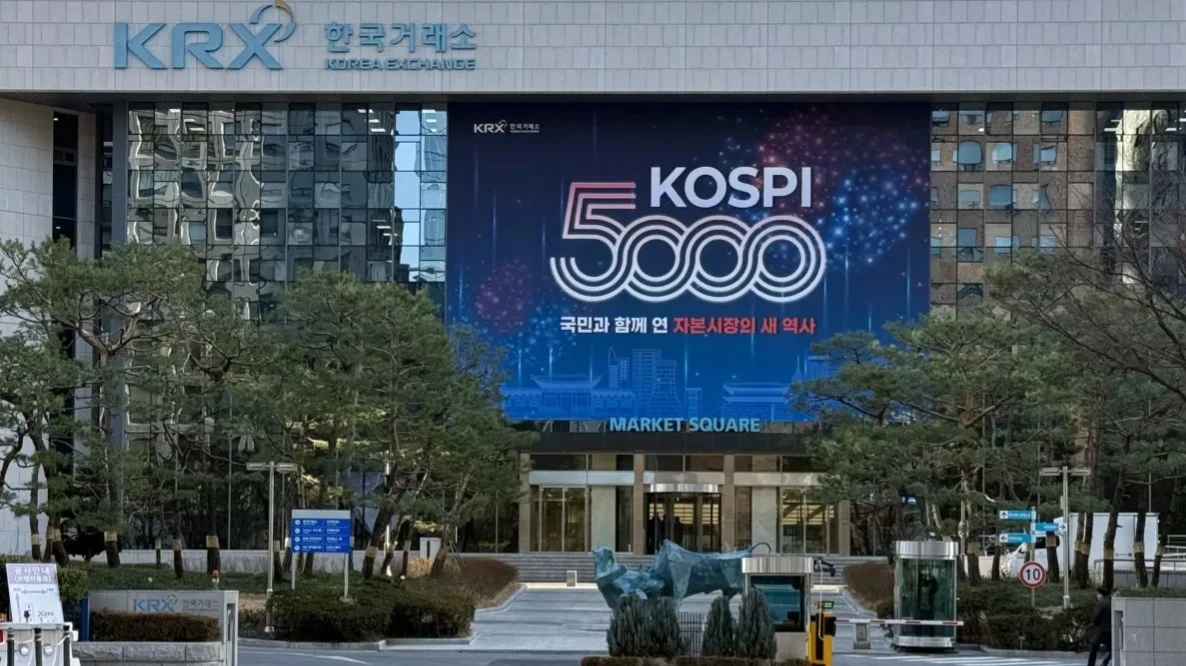
It took the Korean stock market a month to return to a bull market following the plunge in chipmaker stocks / Photo: yllyso/Shutterstock.com
The South Korean stock market has shifted from a bear market to a technical bull market in just over a month, thanks to renewed interest in AI, according to CNBC. At the start of trading on August 13, the benchmark Kospi index rose 4.8%, bringing its rebound from the July 30 low to 23%. The rally was led by the world’s largest memory chip manufacturers, Samsung Electronics and SK Hynix: their shares rose by more than 6% and 7%, respectively, during the trading session.
What's next?
The rally in South Korean stocks may continue—memory chip makers are on the rise again, according to Fundstrat Global Advisors. These stocks were hit harder than others by the recent sell-off in the tech sector, and are now outperforming it for the first time since June. South Korea and shares of data center memory manufacturers “appear to be suitable instruments for a short-term bet on risk,” said Mark Newton of Fundstrat, as quoted by CNBC.
“I think the market fell too far while leveraged positions were being unwound, and the current rebound is natural because capital flows have stabilized,” Kang Taeg-won, head of Life Asset Management, told Bloomberg. However, he added that it will be difficult to sustain the rally “until we see stabilization regarding AI and U.S. interest rates.”
From Panic to Demand
The latest earnings reports from tech giants have reignited interest in hardware manufacturers’ stocks: the companies confirmed that they continue to spend massive amounts on AI, according to Bloomberg. Strong quarterly results from server manufacturer Supermicro and cloud provider CoreWeave served as an additional signal, notes CNBC. Following the release of the reports, shares of both U.S. companies rose sharply.
Investor sentiment improved sharply following the July crash. Over the course of the month, the KOSPI lost 22%, marking its worst performance since the global financial crisis. Forced liquidation of leveraged positions in chipmaker stocks triggered trading halts and cost retail investors billions of dollars. New restrictions on leveraged exchange-traded funds tied to individual stocks, along with signs of a decline in margin debt, helped stabilize the market, according to Bloomberg.
Despite the rebound, the Kospi remains about 24% below its late-June peak. However, since the beginning of the year, the index has gained more than 60% during a rally that was largely driven by retail investors. Tensions are easing: after a record number of trading halts and intraday index swings of more than 5%—which had become commonplace on the Korea Exchange—the volatility index has fallen to its lowest level since April, according to Bloomberg.
This article was AI-translated and verified by a human editor