The Fed holds rates steady. Where will it go from here?

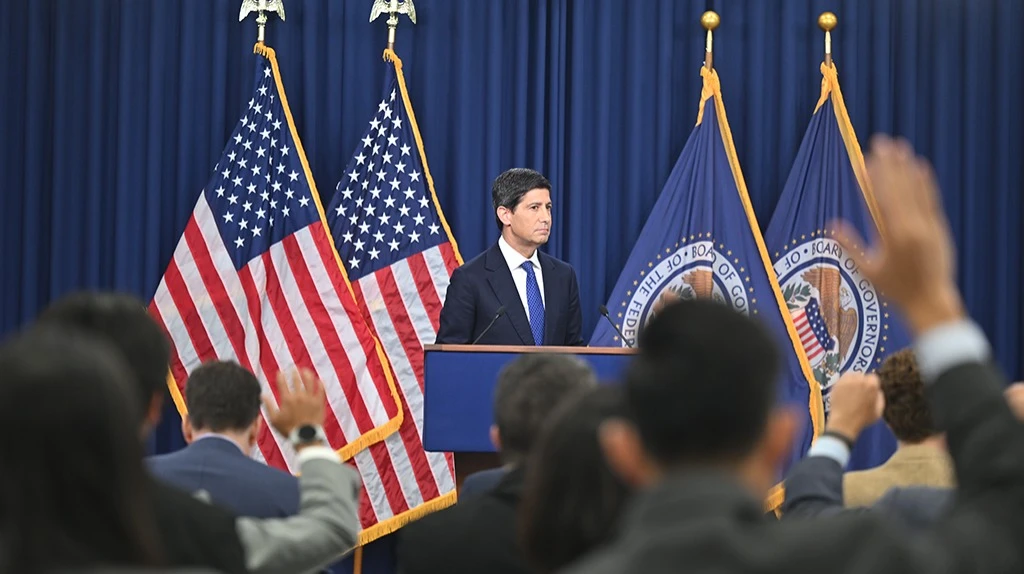
The central bank says its next decision will depend on future data / Photo: X / federalreserve
The Fed left interest rates unchanged on Wednesday despite the latest inflation data coming in above forecasts. The decision was fully in line with market expectations.
Details
The Federal Open Market Committee maintained the fed funds rate target range at 3.75-4.00% following its Tuesday-Wednesday meeting. That range was set in September, when the central bank tightened monetary policy for the first time since 2023. Ten committee members voted to hold rates steady. Two dissented, favoring a quarter-percentage-point hike.
In its statement, the FOMC noted that “uncertainty remains elevated owing, in part, to geopolitical developments.” At the same time, it pointed to strong growth in economic activity and labor productivity, robust capital investment, and little change in the unemployment rate.
The committee acknowledged that inflation remains elevated but offered no clear signal of a possible rate increase at its next meeting in December, indicating that it is waiting for more data. “The accumulation of more information will help the Committee determine the policy stance appropriate to ensure a timely return of inflation to the Committee's 2% goal. The Committee will deliver price stability,” the statement read.
Market reaction
With the Fed’s decision coming as no surprise, the market reaction was muted. Following the release, the broad-market S&P 500 was up about 0.2%, while the blue-chip Dow Jones Industrial Average gained 0.3%. The tech-heavy Nasdaq Composite was little changed.
What comes next
Following the Fed’s decision, bond traders put the probability of a quarter-percentage-point rate increase at the next meeting at about 90%, Bloomberg reports. Before the meeting, the probability stood at 76%, according to data from CME FedWatch. The median projection from FOMC participants, published in September, pointed to one more rate increase before the end of the year, followed by no change in 2027.
“We think Warsh and other FOMC members are increasingly concerned about inflation and remain intent on raising rates further, and will subtly signal that,” Wolfe Research chief economist Stephanie Roth said before the Fed’s announcement.
The latest inflation data has pointed to persistent price pressures across the economy, Bloomberg notes. In particular, the consumer price index rose in September at its fastest pace in five months as fuel prices climbed, exceeding Wall Street forecasts. Energy prices jumped 5.2% month over month, the sharpest increase since March. Higher fuel prices could keep inflation elevated while weakening economic activity, Barron’s notes. There is already enough data to justify another rate increase, it says.
Economists at Citigroup and Morgan Stanley agree that the central bank will resume tightening in December. Markets, however, have already done some of the Fed’s work for it, Morgan Stanley explains. Changes in stock and bond prices, the dollar, oil prices, and credit spreads since September have tightened financial conditions by the equivalent of almost a quarter-percentage-point rate hike, the investment bank estimates. If the selloff continues, a December increase could become unnecessary, Barron’s concludes. Citigroup economists agree that the Fed will resume tightening in December but also warn that further stock declines could bring the tightening cycle to an end.
By the end of the week, following key earnings reports from tech giants Alphabet, Microsoft, and Amazon, along with fresh economic data, investors should have a clearer sense of whether consumers can continue supporting economic growth, whether the AI investment boom can withstand higher financing costs, and whether financial conditions have tightened enough to give the Fed reason to delay another rate increase, Barron’s writes.
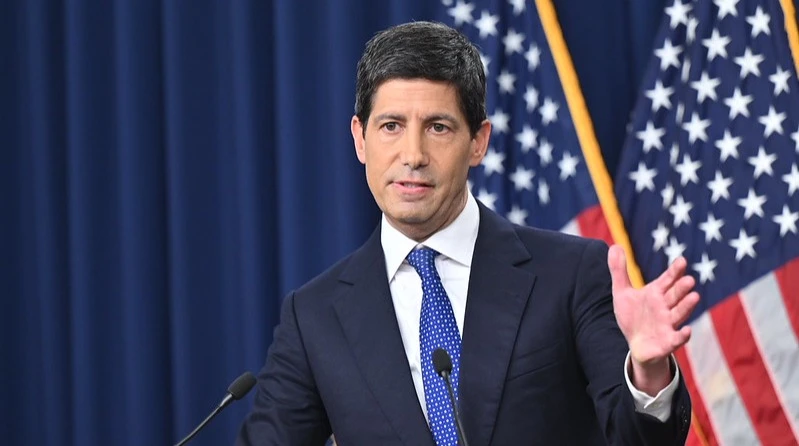
Several key Fed officials indicated ahead of the meeting that the central bank has time to assess the economy before considering its next move. Fed Vice Chair Philip Jefferson and New York Fed President John Williams both expressed that view. Fed Governor Christopher Waller noted that policymakers have some flexibility and do not need to tighten at every meeting. Fed Chair Kevin Warsh maintained his practice of offering no hints.