"Until it hits home": How Wall Street Reacted to the New Inflation Data
Traders are now expecting two Fed rate hikes this year


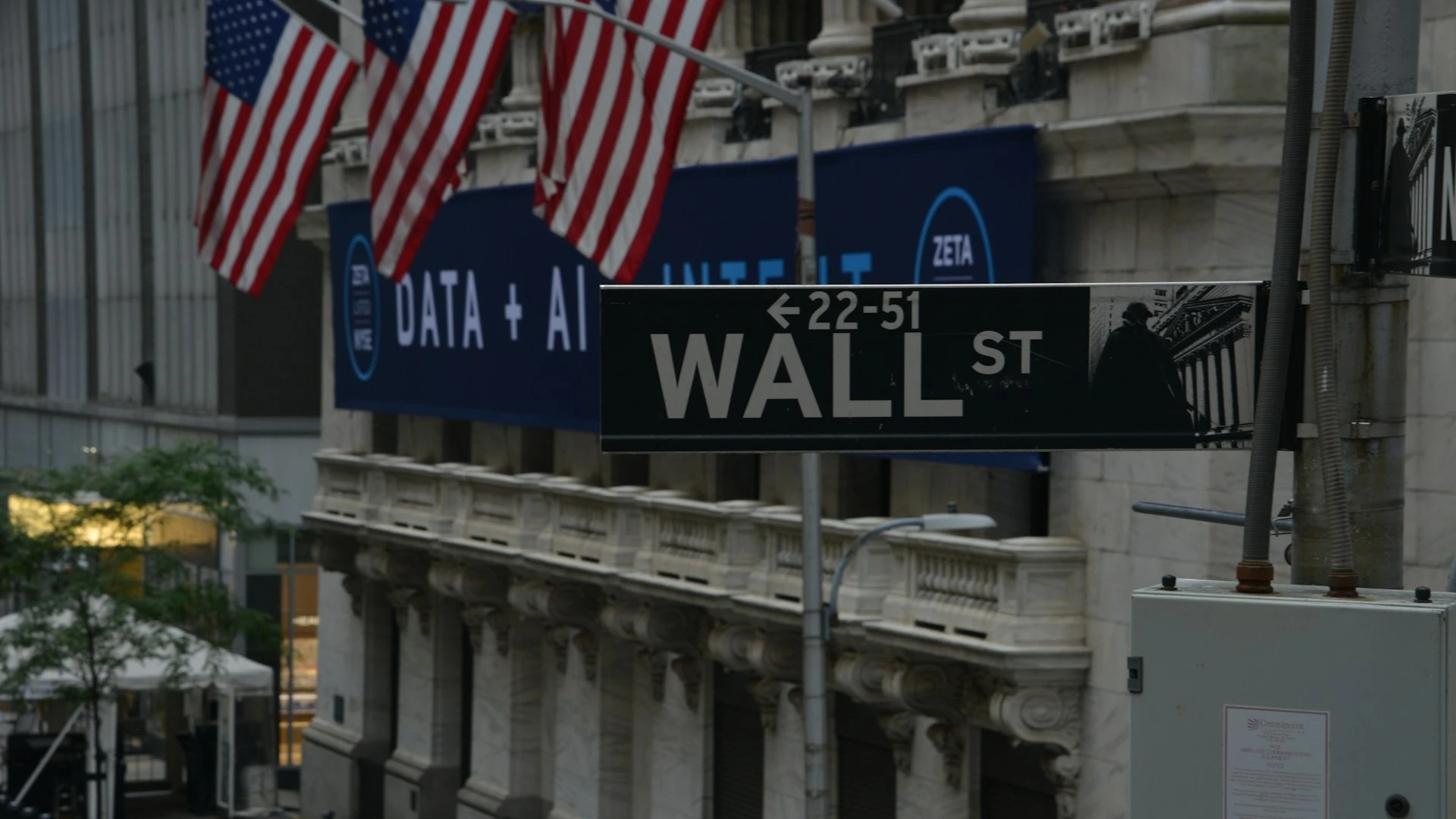
The probability of a 25-basis-point rate hike at the Fed's October meeting has risen from 22% to 53% over the past day / Photo: X / NYSE
Expectations of a Fed rate hike rose sharply following the release of September inflation data, triggering a sell-off in the U.S. stock market, according to CNBC. Consumer price inflation in the U.S. in September reached its highest level in five months. Analysts note that the released CPI data cast doubt on previous market expectations that the Fed would pause in October amid the midterm elections and leave rates unchanged.
Details
The probability of a 25-basis-point rate hike at the Fed’s October 28 meeting rose to 53.7% from 22.1% the previous day, according to federal funds rate futures data tracked by the CME’s FedWatch tool. The probability of at least one rate hike by the end of the year exceeded 95%. At the same time, the market began to price in a 40% probability that the rate would be 50 basis points higher by the end of the year—twice as high as the previous day.
The market reacted negatively to this data: a sell-off began in U.S. stocks, with the S&P losing 1.3%, the Nasdaq Composite falling 1.9%, and the Dow Jones dropping 0.4%. Yields on U.S. Treasury bonds spiked. The dollar strengthened to its highest level in more than a year.
The Federal Reserve should hold off on raising interest rates in response to the September inflation data and first ensure that the unexpectedly sharp rise in consumer prices was not caused by technical factors, said White House Chief Economic Advisor Kevin Hassett. “Sometimes there are spikes in September due to unusual seasonal adjustment factors, so we really need to wait for next month’s data before concluding whether the Fed should take any action in response,” Hassett said in an interview with Fox Business Network. The CPI report released on October 14 was the last such consumer price release ahead of the Fed’s October 27–28 meeting.

What They're Saying on Wall Street
— “The [market’s] reaction to today’s CPI data, which came in significantly higher than expected, reminded me of Mike Tyson’s oft-quoted line: ‘Everyone has a plan until they get punched in the face.’ “We wonder if the Fed—and especially its chairman, Warsh—is feeling much the same way this morning,” Janus Henderson portfolio manager John Kershner told CNBC.
— “In our view, today’s [macroeconomic] data cast doubt on market expectations that the Fed will pause in October and leave the rate unchanged. Oil prices above $100 are putting additional pressure on already persistent core inflation, so the latest data is further complicating the disinflation picture and may limit the Fed’s room to maneuver,” — Bloomberg quotes Tim Urbanovich, chief investment strategist for Innovator ETFs at Goldman Sachs Asset Management.
— “More than half of the items in the consumer basket continue to rise in price at an annual rate of over 3%, which shows just how widespread inflationary pressures have become throughout the economy. Combined with the economy’s continued resilience, this suggests that the Fed’s work is not yet done. We still expect further rate hikes in December and early 2027 before the Fed can be confident that inflation is returning to its target level,” Bloomberg quotes Simu Shah, chief global strategist at Principal Asset Management, as saying.
— The broad-based rise in prices in the September CPI report undermines the argument that inflation will slow significantly over the next six months, said Chris Hodge, chief U.S. economist at Natixis CIB. Prices for core goods—excluding food and energy—rose 0.25% in September, more than double the August rate. “This strengthens the case that the impact of rising energy prices may prove persistent and gradually spread to other price categories,” Hodge said in an interview with MarketWatch. “My forecast—that inflation data should improve and inflation should gradually slow—remains in place. I still believe in it, but the case for it is much weaker than it was yesterday.”

Context
The U.S. Consumer Price Index (CPI) rose 3.7% year-over-year and 0.6% month-over-month in September, according to the U.S. Bureau of Labor Statistics. The Dow Jones consensus forecast was 3.6%, CNBC notes. The core CPI, which excludes food and energy prices, rose 2.6%, which also exceeded economists’ expectations.
This article was AI-translated and verified by a human editor