The fuel crisis has been the best advertisement for electric cars: their sales are on the rise again

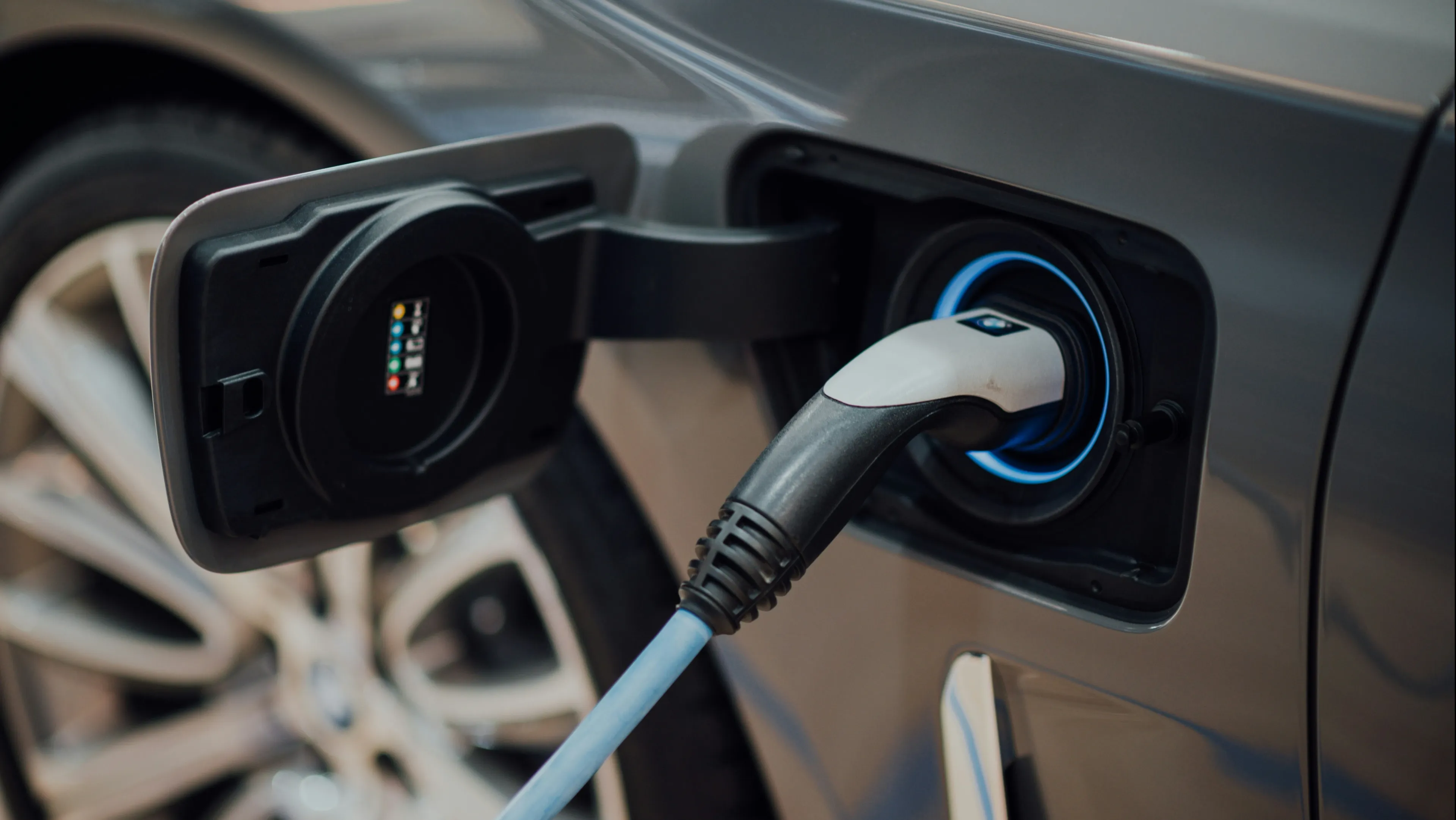
The fuel crisis and rising gas prices have led to an increase in electric vehicle sales / Photo: CHUTTERSNAP / Unsplash.com
The war in the Middle East and the resulting rise in gasoline and diesel prices have led to an unexpected effect—a surge in electric vehicle sales. As a result, following a two-month slump at the beginning of the year, Europe and China are now seeing an increase in sales of new electric cars, while the U.S. is experiencing a boom in sales of used electric cars. According to Goldman Sachs, this shift has already begun to reduce global demand for oil.
Electric Cars Are Back in the Game
Goldman Sachs analysts believe that the fuel crisis caused by the closure of the Strait of Hormuz will accelerate the transition to more environmentally friendly energy sources—in particular, by boosting sales of electric vehicles.
According to their estimates, since the start of the crisis in the Middle East, the share of electric vehicles in global car sales has jumped by 3.4 percentage points. Excluding the spike in September 2025, when electric vehicle sales in the U.S. surged ahead of the expiration of the $7,500 tax credit, the current figure of 26.1% is the highest on record.
Since the beginning of this year, electric vehicle sales have begun to decline—they have fallen for two consecutive months. In February, the number of new electric vehicle registrations worldwide totaled just over 1 million—the lowest figure since the same month in 2024, Reuters noted.
There were several reasons for this: China began phasing out tax incentives for the purchase of new electric vehicles (NEVs, which also include plug-in hybrids and fuel-cell vehicles). Starting this year, China has eliminated the full exemption from the 10% purchase tax. Now, buyers generally pay 5%. Other factors include low oil and fuel prices that took hold in 2025, as well as a decline in Tesla sales, as the brand suffered due to Elon Musk’s political actions at the start of Donald Trump’s second term.
In addition, several major global automakers (including Ford, Mercedes-Benz, Volvo, and Honda) have scaled back their electric vehicle production plans. In March, the Financial Times estimated that changes in strategies and investment plans, as well as the decision not to launch new electric vehicle models, cost the global industry $75 billion over the past year.
But the war in the Middle East helped reverse the emerging downturn. In June, the share of electric vehicles in sales rose in 12 of the 15 largest auto markets, according to Goldman Sachs.
The FT takes a lighthearted look at the issue, calling U.S. President Donald Trump—who has consistently advocated for cutting support for the alternative energy sector—an “outstanding electric car salesman.”
Electrical Benefits
In China, NEVs accounted for more than 50% of sales last year, and in May, that figure set a new record at 62.2%. At the same time, total vehicle sales for the first five months of the year fell by 19.7%, according to the China Passenger Car Association (CPCA). This is mainly due to a drop in demand for gasoline-powered cars caused by rising prices resulting from the crisis in the Middle East, Reuters quotes CPCA Secretary-General Cui Dongshu as saying.
In addition, the Chinese economy continues to slow down, and the consumer sector is stagnating. As a result, the number of high-end purchases is declining. However, the NEV sector is suffering much less from this than the auto market as a whole. While total auto sales in May fell by 22.3% to 1.53 million, NEV sales dropped by 7.5%. Nine of the top 10 best-selling brands in China are now electric vehicle brands.
Local manufacturers continue to wage price wars, making cars more affordable. Meanwhile, developers are making new strides in the quest to increase range and improve charging speeds. For example, CATL, the world’s largest battery manufacturer, unveiled a battery in April that allows a car to travel 1,500 km on a single charge. Meanwhile, the government plans to increase the number of public charging stations from 21 million at the start of this year to 28 million by the end of 2027, according to the Financial Times.
In Europe, the electric vehicle boom resumed immediately after the war began and fuel prices spiked. According to the European Automobile Manufacturers’ Association (ACEA), the number of new car registrations (which reflects sales volume) in the EU, the United Kingdom, Iceland, Liechtenstein, Norway, and Switzerland jumped by 11.1% year-over-year in March. This was the fastest growth in 23 months, and the decline in sales of gasoline and diesel cars—by 10% and 14%, respectively—was more than offset by growth in the electric vehicle sector.
Sales of battery-powered cars soared 42% year-over-year in March, following growth of about 15% in January and February, while in Germany, France, and Italy, sales rose by 66%, 69%, and 72%, respectively.
Sales of plug-in hybrids jumped 32% in March.
As a result, electric vehicles (battery-powered, plug-in hybrids, and non-plug-in hybrids) accounted for about 70% of all sales.
A similar situation arose in April and May.
As a result, in May (the most recent data available), electric vehicles accounted for more than two-thirds of total sales of 1.15 million across the region. Demand for battery-powered cars jumped by 39.1%, while demand for gasoline and diesel cars fell by 19%.
In the U.S., used—and therefore cheaper—electric vehicles have become a hit: in the first quarter, sales of used EVs rose by 12%, while sales of new EVs fell by 28%. In April, growth reached 16.7% to 42,080 units, while sales of new electric vehicles fell by 23% to 76,889 units, according to Cox Automotive.
We need less and less oil
Assuming that a shift in sales toward electric vehicles reduces average daily demand for oil for road transport by 30,000 barrels in the U.S. and 20,000 barrels in other countries for every 1 million cars, global oil demand fell by approximately 130,000 barrels per day during the spring, according to estimates by Goldman Sachs analysts.
That is less than 0.1% of global oil consumption. But if the spring trend continues, demand will have fallen by 320,000 barrels per day—or 0.3% of global consumption—by December 2027, the bank notes. They add that the calculation does not take into account two- and three-wheeled vehicles, which in 2025 accounted for, for example, 92% of all electric vehicle sales in India, 80% in Vietnam, and 35% in China. These vehicles are capable of replacing between one-third and one-half of the fuel that passenger electric vehicles will no longer consume.
In addition, these calculations take new vehicles into account, but gasoline and diesel consumption is also declining due to vehicles already in use. As a result, annual gasoline consumption in China has fallen by 20%, according to Goldman Sachs.
Electric vehicles already account for about 5% of the global vehicle fleet. According to the International Energy Agency, they saved 1.2 million barrels per day in 2025. That amounts to about 1.1% of global consumption. Partly due to the growth of electric transportation (as well as other factors, including limited demand and excess production), the agency now forecasts a global oil surplus of about 5 million barrels per day in 2027.
The energy shock triggered by the war in the Middle East will be the second such shock since the start of the decade—in addition to the one caused by Russia’s invasion of Ukraine in 2022.
“This will influence people’s decisions about how energy-intensive devices they will buy,” concludes Kingsmill Bond, an energy strategist at the British think tank Ember.
This article was AI-translated and verified by a human editor