The government bond sell-off has spread beyond the U.S.: yields have surged in Asia and Europe
Yields on 10-year U.S. Treasury bonds reached their highest level since 2007, while those on Japanese government bonds reached a 30-year high

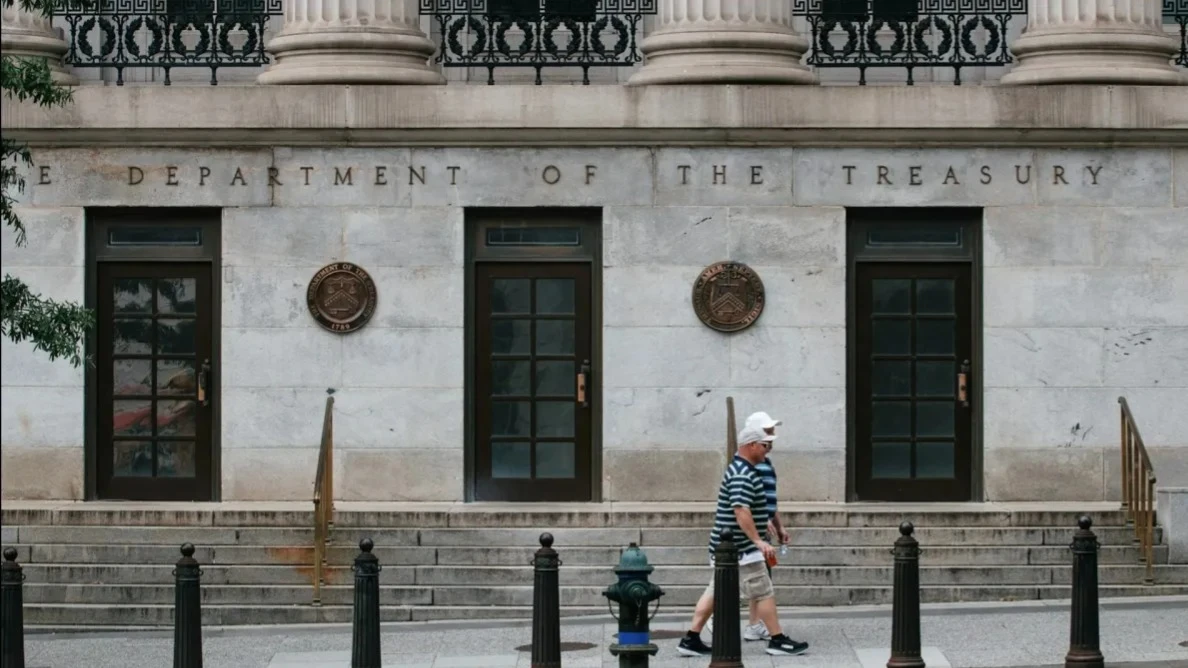
The yield on 10-year Treasuries jumped above 5% / Photo: Unsplash/Connor Gan
A sell-off in U.S. government bonds, which pushed the yield on benchmark 10-year Treasuries to its highest level since 2007, spread to other major markets on September 15: investors continued to sell government debt, according to the Financial Times (FT). The U.S. benchmark serves as a guide for trillions of dollars in assets worldwide, the FT notes.
Details
During trading on September 15, the yield on 10-year Japanese government bonds surpassed the psychologically significant 3% threshold and reached 3.025%— according to Reuters, this is a 30-year high. Yields on bonds with the same maturity rose on Tuesday in South Korea, Singapore, the United Kingdom, and Germany, according to data from Trading Economics.
Why Are Bond Prices Falling?
The FT attributes the U.S. sell-off to the turmoil caused by the war in Iran. “Government bond yields are rising worldwide. Demand has been hit by the oil shock in the Middle East, persistent inflation, and central banks’ resumption of rate hikes,” wrote Mansur Mohi-uddin, chief economist at the Bank of Singapore, as quoted by the newspaper.
On Friday, September 18, the market expects the Bank of Japan to raise its policy rate by 0.25 percentage points to 1.25 percent—a 31-year high, according to the FT. The regulator is also expected to signal further tightening of monetary policy: Japanese authorities are seeking to support the yen following an intervention that helped pull it back from a 40-year low, Reuters reports.
“Market participants are increasingly (...) pricing in higher interest rates toward the end of the tightening cycle. This continues to push up yields on Japanese government bonds,” the FT quotes State Street analyst Masahiko Lu as saying.
Is the Federal Reserve the Main Risk?
The U.S. Federal Reserve’s decision not to raise interest rates on September 16 could intensify the sell-off, market participants surveyed by Reuters warn. They fear that such a decision would undermine confidence in the regulator’s ability to bring inflation back to its 2% target. “The U.S. bond market is waiting for… clearer action from the Fed that is consistent with the goal of bringing inflation back to 2%,” emphasized Lauren Moran, a fixed-income portfolio manager at Wellington Management.
A rate hike, however, would show that the Fed is not yielding to political pressure and Donald Trump’s demands to ease monetary policy, according to Bill Campbell, a portfolio manager at DoubleLine Capital. In his view, this will help keep Treasury yields in check.
Russell Brownback of BlackRock, on the other hand, believes concerns about long-term securities are overblown. “The real repricing has occurred in the short-term bond segment—due to expectations that the Fed will raise rates,” he said.
On September 15, according to the CME’s FedWatch tracking tool, the market estimates the probability of a 0.25 percentage point Fed rate hike this week at 92%, although just a month ago that probability stood at 59.4%. If the Fed raises rates on September 16, it will be the first such increase since July 2023.
This article was AI-translated and verified by a human editor