The Japanese yen fell to a 40-year low against the dollar

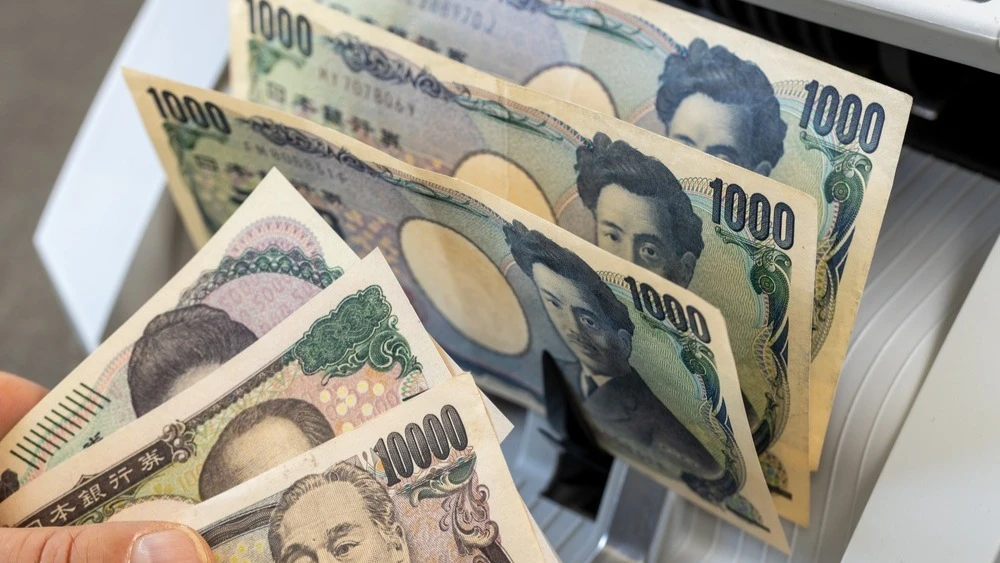
The yen fell to its lowest level since 1986 / Photo: Andrzej Rostek / Shutterstock.com
The Japanese yen fell to its lowest level since 1986: during trading in New York on Monday, June 29, it weakened by 0.1% to 161.96 per dollar, Bloomberg reported. The previous low was recorded in July 2024 (161.95 yen per dollar).
A weak national currency boosts exporters' revenues, which, in turn, is driving the country's stock market to new highs, Bloomberg noted. On the other hand, import costs are rising, especially for oil and gas, which are priced in dollars. The resulting inflation is hitting consumers, who are forced to pay more for everything—from food to electricity—and threatens to undermine the popularity of Prime Minister Sanae Takaichi’s government, according to Bloomberg.
The yen continues to fall despite the Bank of Japan’s policy shift, as it ended its negative interest rate policy in 2024. On June 16, the central bank raised its policy rate to 1%, the highest level since 1995. But the effect was minimal, as traders expect the U.S. Federal Reserve to maintain its hawkish rhetoric, the agency explains. The exchange rate fell despite record government interventions totaling 11.73 trillion yen ($72.5 billion) between April 28 and May 27: To fund this, Japan likely sold foreign assets, including U.S. Treasury bonds, according to Bloomberg.
"The Bank of Japan is undoubtedly monitoring the situation closely," said Sean Osborne, head of foreign exchange strategy at Scotiabank.
Analysts disagree on the reasons behind the prolonged weakening of the Japanese currency, as well as whether it can be halted and how, Bloomberg notes. The interest rate differential—both current and projected—is often cited as the main factor: persistently low domestic interest rates are prompting investors to sell the yen and buy foreign assets.
Structural problems, such as an aging population and a shrinking population, are clouding the outlook for economic growth and contributing to rising public debt, Bloomberg added. According to many experts, this factor is limiting the potential for significant interest rate hikes in the future.
This article was AI-translated and verified by a human editor