The Houthis have gone to war: 6 questions about how they could affect global trade

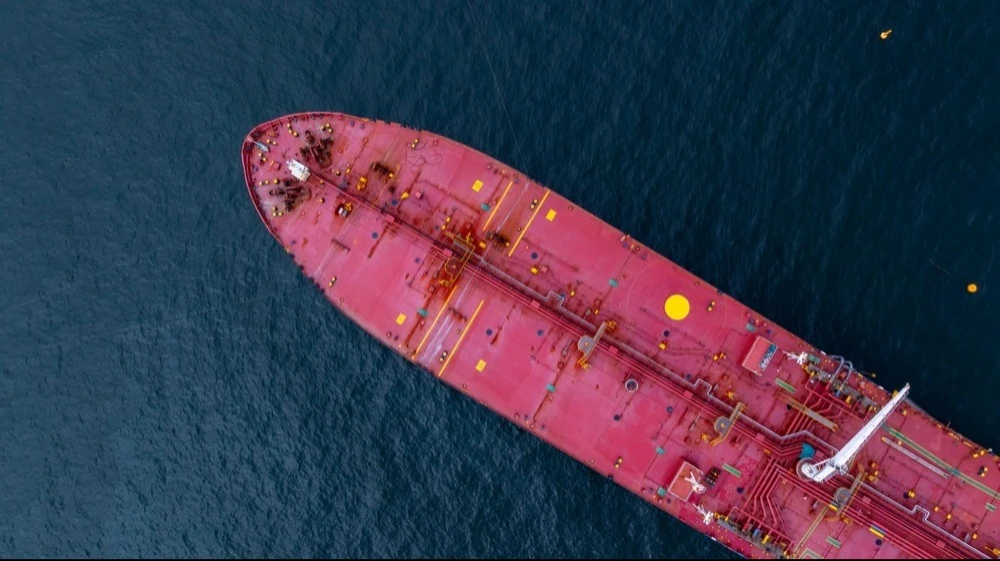
The Houthis have gone to war: 6 questions about how they could affect global trade / Photo: shutterstock.com
The Yemeni Houthis' entry into the war in the Middle East is increasing the risks to global trade and oil supplies. Two years ago, the group was able to paralyze ship traffic on a crucial sea route between Asia and Europe. This weekend, the Houthis shelled Israel for the first time since the war began out of solidarity with Iran. How their actions can exacerbate the oil crisis - in this material.
How critical is the Red Sea to oil supplies?
The Red Sea has become a key alternative to the Strait of Hormuz, which has become virtually paralyzed due to the war with Iran. Saudi Arabia is actively diverting oil through the pipeline to the port of Yanbu on the Red Sea coast, from where it is shipped by tankers to Asia. According to Bloomberg, up to 70% of the kingdom's pre-war oil exports now pass through this route, and the increase in shipments from Yanbu was one of the factors that held back the rise in global oil prices.
Is there still a threat to shipping in the Red Sea?
The threat from the Houthis persists despite military operations by the U.S. and its allies. Last year's U.S. and Israeli airstrikes severely weakened the group's leadership and military capabilities. However, according to Bloomberg's source, the Houthis have since been able to regroup and partially rebuild their arsenal. The group controls much of Yemen's coastline, including major ports, which poses a threat to shipping. Rocket launches against Israel on March 28 show that the Houthis are ready for a new phase of escalation.
How do the Houthi attacks affect shipping?
According to the Pentagon, between November 2023 and June 2024, the Houthis attacked military and merchant ships more than 190 times, which dramatically increased the risks for shipping companies, Bloomberg notes. As a result, many operators have abandoned the shorter route through the Red Sea and diverted ships thousands of kilometers around the Cape of Good Hope. According to the logistics company Flexport, such a detour increases travel time by about 25%, as well as significantly increases the cost of transportation and insurance.
Why is the Red Sea important to world trade?
The Bab-el-Mandeb Strait in the southern Red Sea remains one of the key corridors for global trade, connecting Asian and European markets for centuries, Bloomberg recalls. Before the intensification of the Houthi attacks in 2023, about 9% of global maritime trade and up to 20% of container traffic, including cargo worth trillions of dollars annually, passed through it, Bloomberg writes. This route is also critical for the supply of oil, gas and raw materials both from the Middle East and in the opposite direction - in the context of sanctions against Russia, its importance has increased.
How much can the Houthis step up their attacks?
Although Iran remains a key ally of the Houthis, they act on the basis of their own strategic interests and do not always directly follow Tehran's instructions, Bloomberg writes. The intensification of attacks carries serious risks for them, including possible large-scale retaliatory strikes by the US and Israel. In addition, the group must take into account the internal situation in Yemen, where a severe economic crisis and humanitarian problems persist, the agency notes. The Houthis are likely to avoid strikes on Saudi oil infrastructure in order to preserve tacit agreements with Riyadh, although such a scenario is not ruled out in case of further escalation, the Eurasia Group consulting company noted in a note to clients.
What does this mean for the markets?
The Houthis said they will not allow the U.S. and Israel to use the Red Sea to attack Iran. "We are keeping our fingers on the trigger," Brig. Gen. Yahya Sari, the Houthis' military spokesman, said March 27(quoted by the Associated Press).
Houthi attacks on ships will not only drive up oil prices further, but also destabilize "the entire security of shipping," the Associated Press quotes Ahmed Nagi, senior analyst for Yemen at the International Crisis Group, as saying. "The consequences will not be limited to the energy market," Nagi adds.
This article was AI-translated and verified by a human editor