Economist who predicted the 2008 crisis does not believe in rapid de-escalation in Iran

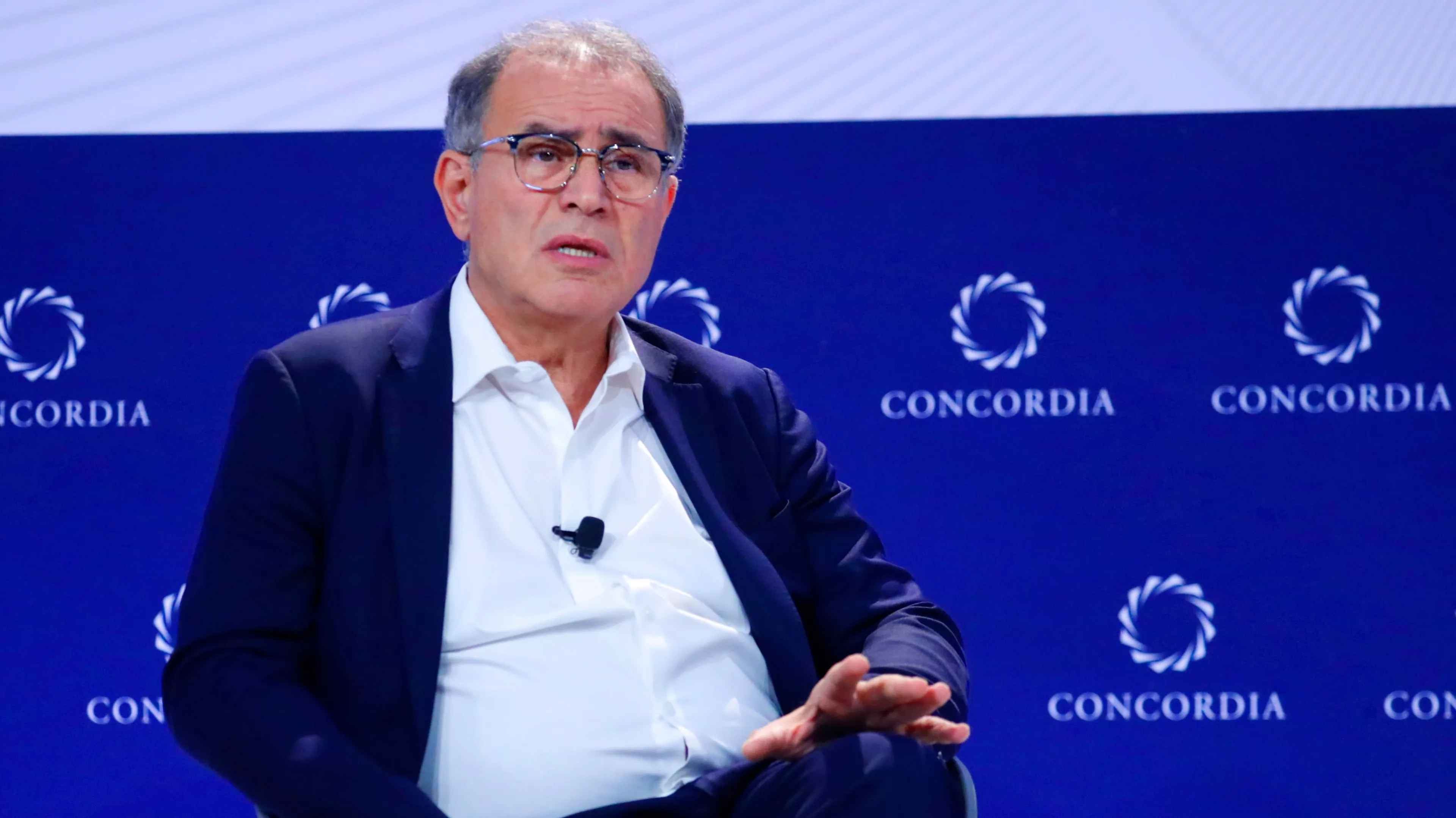
The economist who predicted the 2008 financial crisis warns against ignoring the risks of escalating conflict with Iran / Photo: John Lamparski/Getty Images for Concordia Summit
President Donald Trump is likely to further escalate the war with Iran, and if the current authorities of the Islamic republic retain control over the country, it could turn into "1970s-style stagflation" for the U.S., economist Nouriel Roubini told CNBC. He is known, in particular, for predicting the global financial crisis of 2008.
Details
Trump is not looking for ways to end the war in Iran sooner, according to economist Nouriel Roubini in an interview with CNBC. At the same time, until recently, the markets appeared to have built into prices hopes for a settlement of the conflict, the channel notes.
"If you think about it, the damage [to the economy] has already been done," Roubini said. - If there is a ceasefire on terms favorable to Iran, he [Trump] will look like a loser - his position will become weaker, and he will definitely lose the election, Ironically, he will decide to escalate. The economist suggests that the US president will instruct the Navy to take control of Kharq Island, through which Iran's oil exports are routed, and, together with Israel, will continue to strike at the Iranian leadership and military infrastructure. If the U.S. fails to suppress the Iranian government, it will lead to a global oil crisis, Roubini believes.
Possible scenarios
In a favorable scenario, Roubini explains, "things work out well, the war lasts a little longer, but eventually the Iranian regime may collapse." Then, he predicts, oil prices could rise even more in the short term, but in the end, regime change would lead to "a situation that is better for the world in terms of geopolitical stability."
However, the economist sees another scenario: if, after the conflict is over, "the Iranians continue to block the Strait of Hormuz or attack the oil infrastructure of the Persian Gulf countries, the world will get 1970s-style stagflation".
In the 1970s, the world experienced several major oil shocks: oil rose sharply in price, causing fuel, transportation, manufacturing and commodity prices to skyrocket. At the same time, the economy was slowing down and inflation was rising, despite the increase in central bank interest rates.
In the baseline scenario, Roubini sees a slowdown in economic growth rather than stagflation or recession. However, the economist emphasizes that investors are too careless in assessing Trump's intentions. "The question is whether the market is taking into account the risk that the war will drag on and a shock comparable to the 1970s will follow, followed by global stagflationary consequences. That's not my base case scenario, but it's probably a risk that's probably not fully priced in yet."
This article was AI-translated and verified by a human editor