The Nasdaq fell 1%. The "Wall Street Fear Index" jumped more than 7%

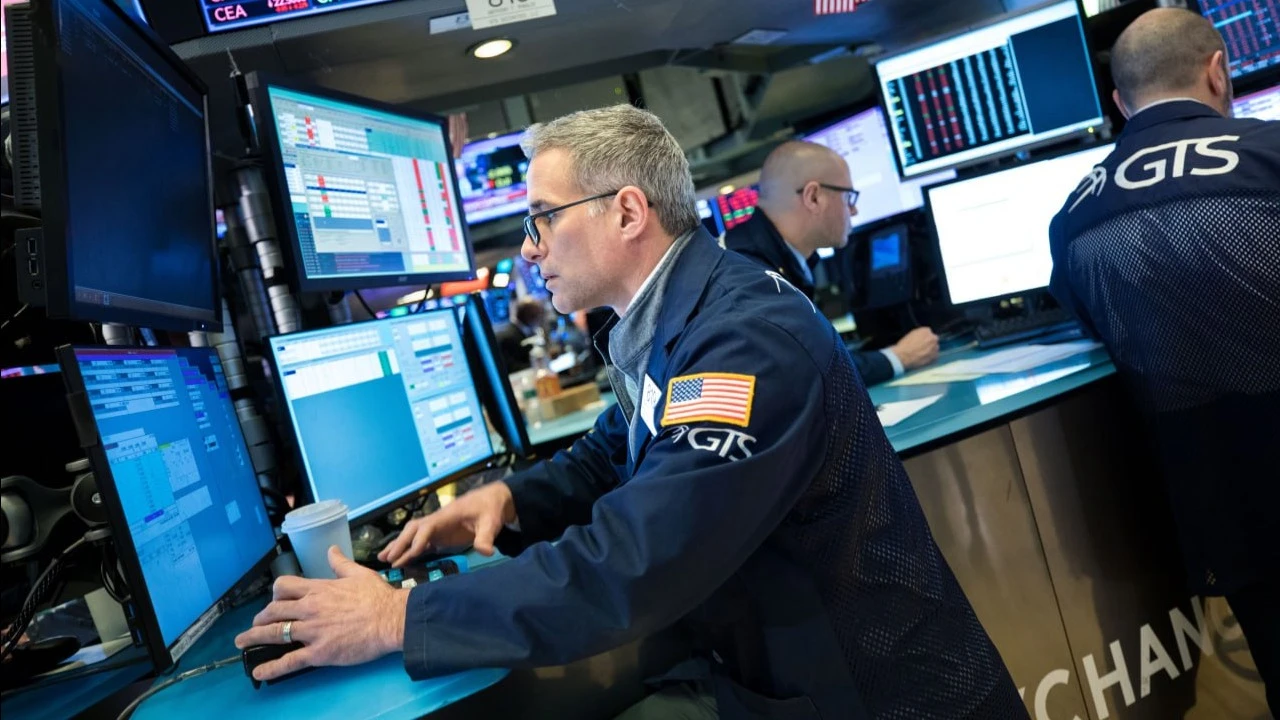
Photo: X / NYSE
The Nasdaq Composite Index fell by more than 1% during trading on June 22, while the VIX volatility index—also known as the “Wall Street fear index”— jumped by more than 7% to 17.62 points (any reading above 20 indicates heightened volatility in the markets).
Investors are assessing the progress made in the latest round of talks between the U.S. and Iran, according to Reuters. In addition, CNBC notes that the decline in the share prices of tech companies and SpaceX contributed to the deterioration of market sentiment—on Monday, they lost about 10%.
Against this backdrop, the broad U.S. stock index, the S&P 500, also slipped into negative territory—at the time of publication, it was down 0.38%, although it had been rising in the first few minutes of trading on June 22. The Dow Jones Industrial Average is up 0.31%.
CNBC notes that shares of major tech companies dragged the Nasdaq Composite and the S&P 500 into negative territory: Alphabet shares fell 7%, Amazon’s 4.5%, Meta’s nearly 3%, and Microsoft’s just over 2%. Shares of chipmaker Micron, which had also been rising on June 22 ahead of the company’s quarterly earnings report on Wednesday, reversed course and are now down about 2%. Meanwhile, other chipmakers—Advanced Micro Devices and Intel—continued to rise, gaining 1.6% and 3.4%, respectively.
Oil prices fell after Qatar and Pakistan—mediators in the negotiations between the U.S. and Iran — announced that Washington and Tehran had agreed on a roadmap to reach a final peace agreement in the Middle East within 60 days. Oil prices were also pressured by U.S. statements that Washington had authorized the sale of Iranian oil for 60 days—the period during which the memorandum of understanding signed by the parties last week will remain in effect. At the time of publication, August Brent futures were down 4% at $77.36 per barrel, while July WTI contracts were down 2.65% to $74.6.
“Although the markets have shown resilience in recent weeks amid hopes for a resolution to the conflict in the Middle East, as well as the absence of persistently high inflation, the conflict in the Middle East remains a pressing issue, which means investors are not inclined to take on much risk,” noted Dan Coatsworth, head of markets at AJ Bell (as quoted by Reuters).
In addition, markets are awaiting the release on June 25 of the U.S. Personal Consumption Expenditures (PCE) index for May—a key inflation indicator that the Federal Reserve uses to guide its decisions. According to forecasts by economists surveyed by FactSet, even excluding volatile food and energy prices, core PCE is expected to have risen last month compared to April, CNBC reports, noting that investors are now closely monitoring any inflation indicators that might signal the imminent start of U.S. Federal Reserve rate hikes.
This article was AI-translated and verified by a human editor