Iran threatened to confiscate dozens of ships passing through the Strait of Hormuz. Among them were tankers from the UAE.

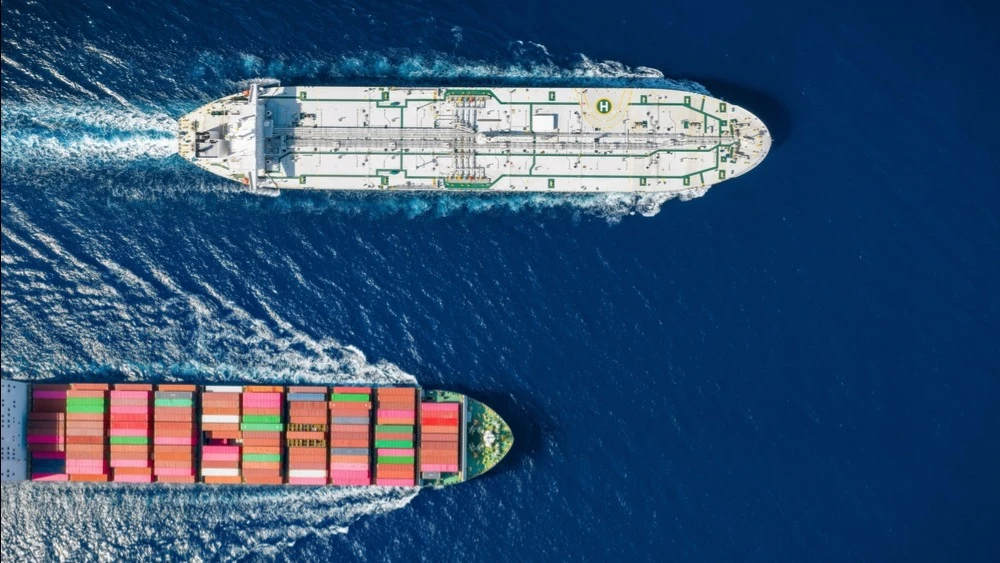
Iran has threatened 46 ships with confiscation and detention—they allegedly violated “Iranian safety protocols” for navigation through the Strait of Hormuz / Photo: somkanae sawatdinak / Shutterstock
Iran has named 46 vessels, including tankers belonging to the UAE’s state-owned oil company—Abu Dhabi National Oil Company (ADNOC)—and South Korea’s Sinokor, as “violators of Iranian transit protocols through the Strait of Hormuz,” reports the Financial Times (FT). Tehran has threatened them with “fines, detention, or confiscation” should they pass through the waterway again. The Persian Gulf Strait Authority—an organization established by Iran to control the strait— made this statement on the social media platform X yesterday.
The comments came a few hours before the U.S. is set to announce new sanctions against Iran and countries that support the Islamic Republic, according to CNBC. Earlier, U.S. President Donald Trump called these restrictions “the most devastating economic operation” against Iran.
What's going on?
Iran has compiled a list of 46 vessels that could face “fines, detention, or confiscation” if they cross the Strait of Hormuz again. According to the Persian Gulf Authority, these vessels violated “Iranian security protocols” governing traffic through this waterway. The Iranian regulatory agency did not specify exactly what violations it was referring to.
The FT reports that Middle Eastern countries, led by ADNOC, have stepped up their use of so-called shuttle voyages in recent weeks in an effort to export cargo from the Middle East, despite ongoing attacks on ships by Iran. These voyages transport raw materials from Gulf countries to tankers waiting safely on the other side of the waterway. Afterward, “more cautious vessels” pick up the cargo in the Gulf of Oman and transport it to their destinations.
The Iranian list of “violators,” announced on Sunday by the Gulf Authority, consists mainly of oil and LNG tankers and vessels used to transport petroleum products that were involved in these shuttle runs, the FT explains. Most of them are owned by ADNOC or the South Korean shipping company Sinokor, which spent $5.9 billion to purchase tankers just before the start of the U.S.-Iran war, the FT notes. Some of these vessels have already been hit by Iranian missiles while attempting to cross the strait, the newspaper notes. For example, last week the cargo ship Minoan Dignity (which is on the Gulf Cooperation Council’s list) was struck, resulting in the death of its chief engineer.
What Else Are People Saying in Iran?
In addition to threats against dozens of ships and tankers, Mohsen Rezaei, secretary of Iran’s Supreme National Security Council, wrote on Sunday on the social media platform X that “if the economic war [by the U.S. against Iran] continues, not a single drop of oil will be exported either through the Strait of Hormuz or from any point in the Persian Gulf.” On Saturday, he threatened to strike Iran’s oil-producing neighbors if they joined U.S. efforts to further economically isolate Iran: “Any country that becomes complicit in imposing economic restrictions against us will be regarded by us as an enemy,” he said in an interview with Iranian state television.
Context
On Monday, August 24, in an op-ed for the Financial Times, U.S. Treasury Secretary Scott Bessent stated that Washington would impose measures against any countries supporting the Iranian regime in an effort to “cut off every economic lifeline” that sustains it. “Any remaining ties to Tehran will accelerate the economic isolation of countries and entities—regardless of whether those ties were established intentionally or deliberately ignored,” he wrote. Bessent promised to announce measures against Iran and its allies on August 24.
The conflict is escalating as the 60-day memorandum of understanding between the U.S. and Iran expired last week. This agreement provided for a temporary ceasefire in the Middle East, according to CNBC.
On August 24, WTI crude oil futures are trading around $85 per barrel. Contracts for the benchmark Brent crude are trading at around $92.
This article was AI-translated and verified by a human editor