"The weak suffer first": Neoclouds have effectively lost access to the bond market — WSJ
Nebius has decided not to issue high-yield bonds for the first time in the company's history

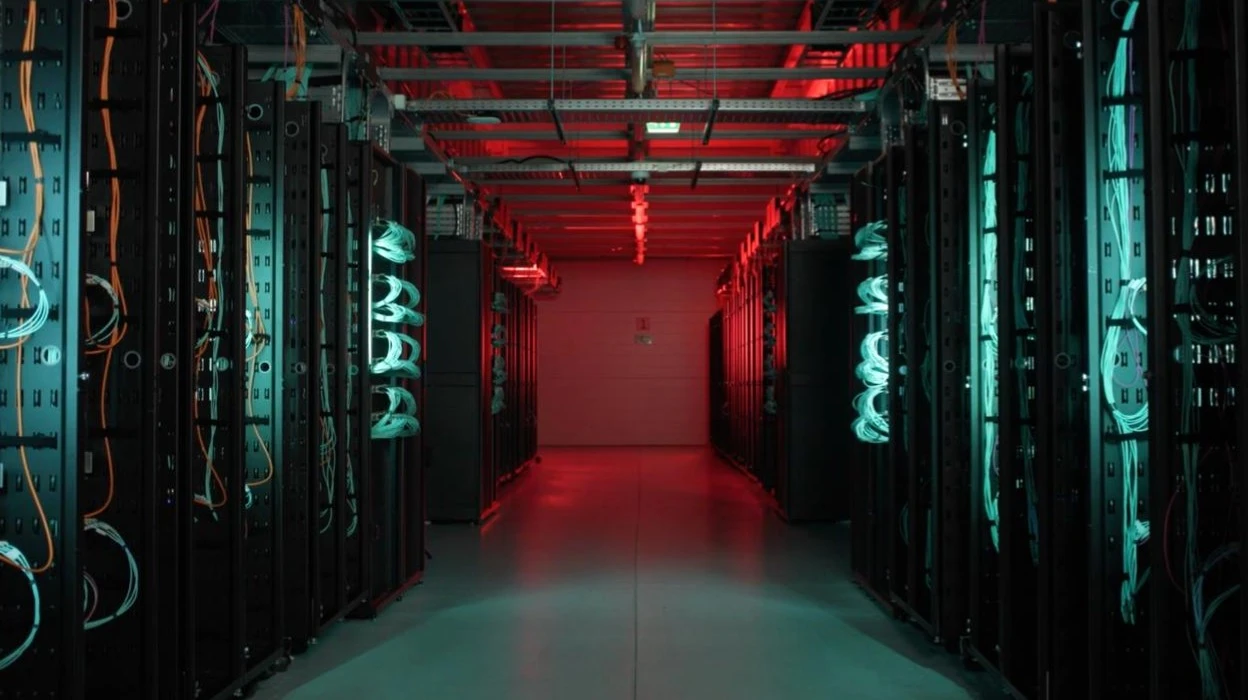
Nebius was preparing its first offering of high-yield bonds this year but was forced to abandon the plan / Photo: Nebius
Lenders and investors have become more selective when it comes to financing the construction of artificial intelligence infrastructure and are demanding stricter terms from borrowers, The Wall Street Journal reported. Even large companies like Broadcom are having to improve their proposals to banks in order to secure loans. And the so-called “neoclouds”—CoreWeave, Nebius, and Nscale—which raise large loans to build data centers and sell computing power, have effectively lost access to the bond market in recent weeks, sources told the publication.
Details
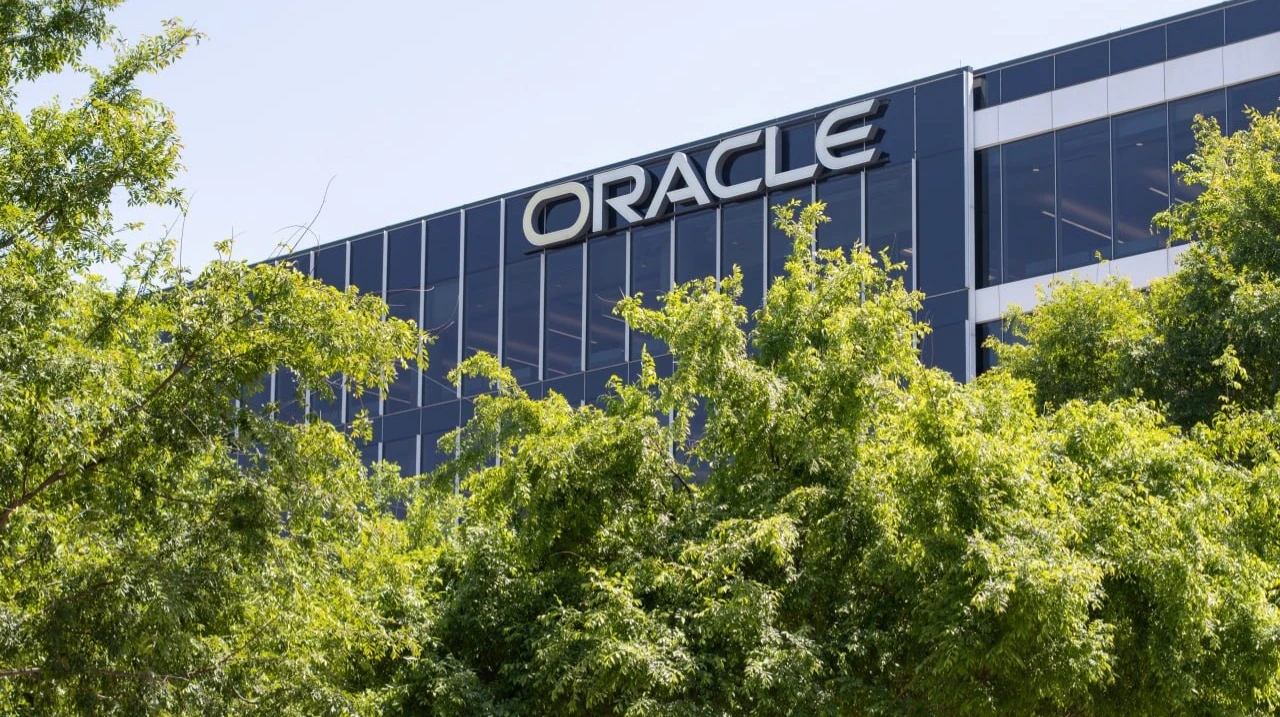
Nebius, a provider of cloud infrastructure for AI, was preparing its first offering of high-yield bonds and holding meetings with fund managers over the summer and early fall, sources told the WSJ. However, starting in September, lenders around the world began reassessing the risks. This was preceded by a Fed rate hike and Oracle’s force majeure notice regarding its data center project in New Mexico, which is intended to release the company from its obligations in the event of construction delays. The yield on CoreWeave bonds issued earlier this year at 9.75% per annum rose above 15% on the secondary market.
Nebius has decided not to issue high-yield bonds. CEO Arkady Volozh stated that the company has to be increasingly resourceful to secure the necessary capital for construction, including by accepting prepayments from customers.
“Since last week, some sources of capital, such as the secured and debt financing markets, have likely been temporarily closed. But we are currently working with customer prepayments and several other instruments that will likely provide us with enough funds to build at least this gigawatt,” Volozh said at a conference in Berlin in October.
Nebius Chief Operating Officer Ofir Nave stated that, despite Volozh’s comments, the asset-backed financing market remains open, and the company plans to utilize it in the future. According to him, the decision to issue high-yield bonds will depend on interest rates and the terms of the deal available to the company.
Since 2024, Nebius has sold approximately $2.7 billion in shares to Nvidia and other investors, and has also issued billions of dollars in convertible bonds to expand its AI operations.
Other competitors of Nebius are also facing difficulties. According to WSJ sources, the startup Lambda lowered its valuation target in preparation for its IPO from $14.5 billion to $13 billion after some potential investors pulled out of the deal. British provider Nscale is leaning toward postponing its IPO from November to December due to market turbulence, according to sources cited by the publication.
Context
According to Bank of America, the total volume of AI-related corporate debt issuance in the U.S. reached $394 billion in 2025 and $655 billion through mid-October of this year. Analysts forecast nearly $1 trillion in new debt in this segment for next year. Non-cloud providers are among the most active participants in the capital markets—but they are also the most vulnerable to rising interest rates, as their borrowing costs were high until the recent market turmoil, the WSJ reports.
“The bar for borrowers is getting higher and higher—you have to prove to lenders that the investments will generate sufficient revenue. The weakest links will be the first to suffer,” said Dan Iwaszynski, chief investment officer at Pimco.
The largest hyperscalers—Meta, Amazon, Alphabet, and Microsoft—have high credit ratings. However, after many of them issued a significant amount of high-quality debt this year and announced new offerings, investment funds, insurance companies, and pension funds began to worry about excessive concentration of investments in a single sector, the WSJ reports.
“This raises a very practical question: to what extent are investors willing to increase their investments in a single company or a single sector?” Ivascin noted.
Creditworthy borrowers still have access to funding, the WSJ notes. Last week, SpaceX announced the largest-ever financing deal for AI chips—a $40 billion package to purchase Nvidia’s latest product line. The record lasted only a few hours: chipmaker Broadcom closed a $63 billion deal to lease chips to Anthropic. But even this deal reflected the tension in the industry: according to WSJ sources, Broadcom CEO Hoku Tan had to personally negotiate with bankers at the last minute to finalize the terms of the deal.
Investor jitters are also affecting the stock market: earnings reports from tech companies last week triggered a sell-off of AI-related stocks and bonds. On October 29, Google’s parent company, Alphabet, lost about $500 billion in market capitalization—the largest drop in its history. The decline was driven by slowing revenue growth from its core search business amid continued increases in spending on AI infrastructure. Shares of chipmaker Intel fell 29% on October 30 due to weak demand in the personal computer segment, while the Nasdaq Composite Index dropped 2.9%, marking its worst performance since June. Persistent volatility will make it even more difficult to raise capital, the WSJ concludes.
This article was AI-translated and verified by a human editor