Nebius highlighted the difference from CoreWeave amid concerns about Neocloud's debt

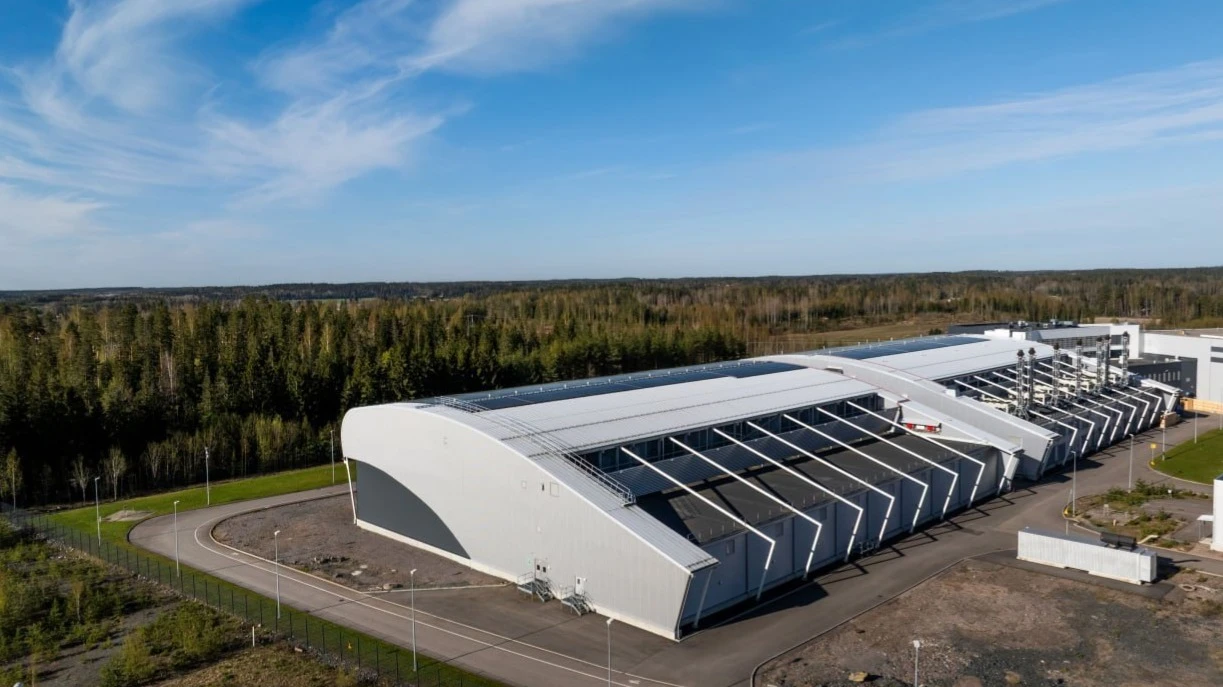
Prices for AI computing power are rising faster than expected, and demand is outpacing supply, according to Nebius / Photo: Nebius
Nebius, the cloud provider led by Arkady Volozh, differs significantly from its competitor CoreWeave, whose debt burden sparked a sell-off of non-cloud companies’ securities last week. Nebius does not have such a high debt burden, the company’s Chief Revenue Officer, Mark Boroditsky, told CNBC. He also assured that prices for artificial intelligence computing power are rising faster than Nebius had expected. Boroditsky’s comments came amid growing investor doubts about the business models of non-cloud companies.
Details
On Tuesday, Nebius held an auction for computing capacity, which showed further price increases. “We continue to see the price per megawatt rise,” said Boroditsky. The price per megawatt is one of the key metrics for neo-cloud companies: it reflects how much a provider can charge customers for a given amount of computing power.
According to a top executive at the company, if Nebius brings all of its capacity planned for 2027 online, it will be fully sold out. Moreover, a “similar trend” could emerge in 2028, the TV channel’s source suggested: companies are striving to secure access to computing capacity, which points to sustained demand in the long term. Nebius previously reported that, starting in 2027, it expects to commission more than 1 GW of new capacity annually.

Boroditsky also emphasized that his company’s situation differs from that of its competitor, CoreWeave. “We don’t have the same debt burden as they do,” he said. According to the latest data from Yahoo Finance, Nebius’s total debt stands at $10.2 billion. Meanwhile, CoreWeave’s total debt is estimated at $51.61 billion.
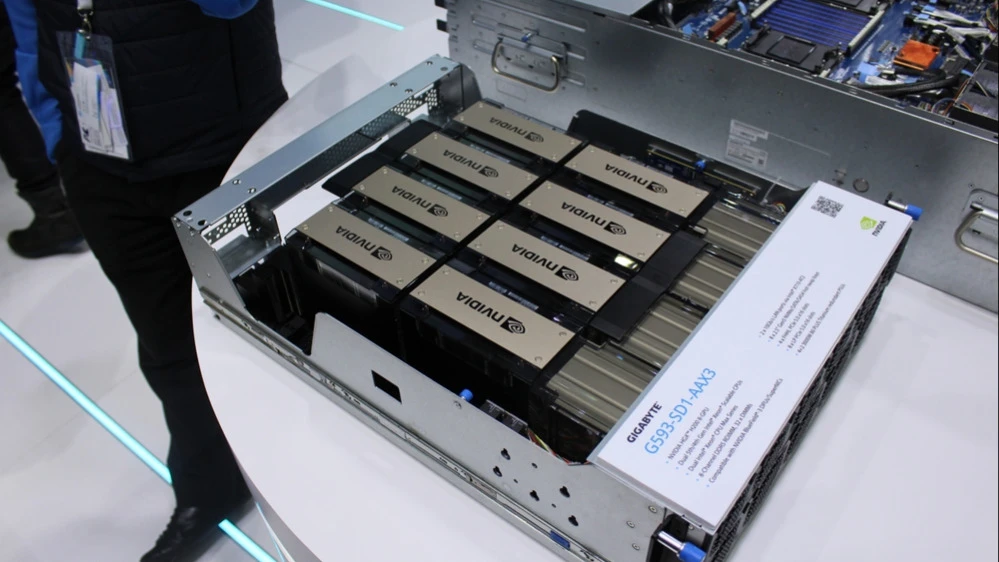
Nebius, founded by Yandex co-founder Arkady Volozh, is among the so-called “neo-cloud” companies that are investing billions in purchasing Nvidia graphics processing units, building data centers, and subsequently leasing out that computing power.
What's on the market
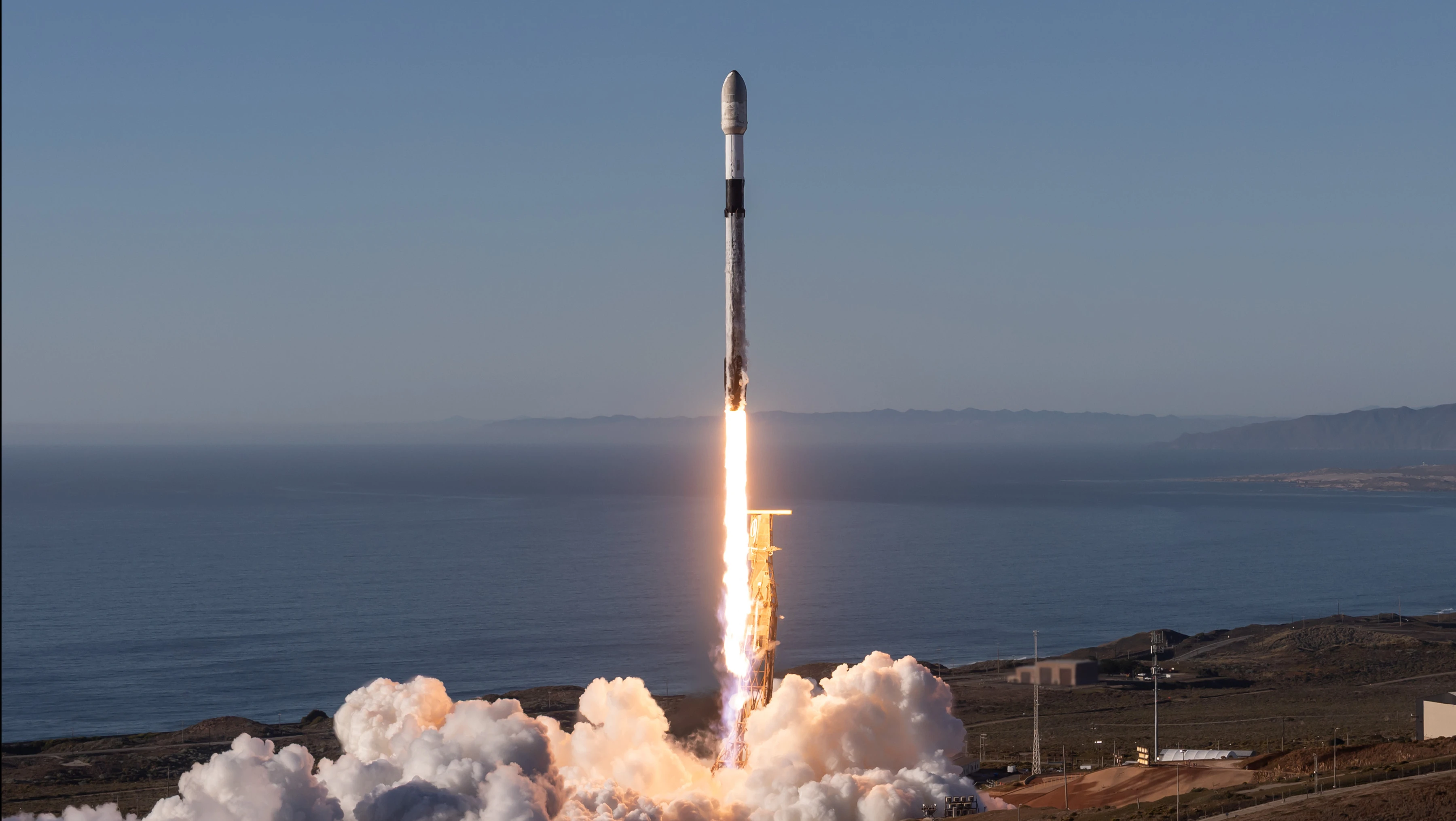
Shares of Nebius and CoreWeave jumped 4% during trading on October 21 (before slowing to gains of 0.7% and 0.2%, respectively). Shares of non-cloud companies were buoyed on Wednesday by a report from SpaceX: revenue from its AI business rose 830% year-over-year to $7.56 billion. SpaceX CFO Bret Jonsen stated that prices for computing power “are currently slightly above the upper end of the $30–50 per watt range.” This suggests that companies leasing such computing power can dictate prices.
“I’m thrilled with SpaceX’s results. They confirm what we already know: the market is very dynamic, and supply continues to lag significantly behind demand,” Boroditsky said.
What Market Participants Are Saying
Chase Lokmiller, CEO of Crusoe—an AI infrastructure provider backed by Nvidia—also stated that the company is seeing rising prices for GPU rentals, including older Nvidia chips. “Today, we’re seeing higher prices for A100 [chips] than in 2020 or 2021. Prices for the H100 are now higher than when they were first deployed in 2023,” Lokmiller said. According to him, demand remains extremely high because the capabilities of foundational AI models have increased significantly, and companies can generate more value using the same computing infrastructure.
These comments came amid investor debate over how quickly Nvidia GPUs lose their economic value as more powerful chips emerge, CNBC explains. The ability to continue leasing out older processors at attractive prices is critical for companies building AI infrastructure. They need to recoup their investments and turn a profit while continuing to spend billions on new GPUs.
Lokmiller's comments suggest that, at least at Crusoe, older generations of Nvidia chips are now being leased at a higher price than when they were first launched, which could potentially improve the economics of the company's cloud business.
What Investors Fear
Investors have become more cautious after CoreWeave’s five-year credit default swap spread reached levels typically seen as a sign of financial distress, CNBC explains. The company’s bond yields have also risen. CoreWeave’s stock has plummeted 27% over the past month.
The situation surrounding CoreWeave, as well as concerns about the amount of debt financing used to build data centers, have also put pressure on other non-cloud companies, including Iren and Nebius. Their stock prices have fallen by 41% and 27%, respectively, over the past month.
Another reason for panic in the market was a report from the research firm Gartner. It warned that if the current rate of growth in AI infrastructure spending continues, more than 80% of non-cloud companies will not be able to remain independent after 2030. According to Gartner’s estimates, owners of AI data centers will need to generate $8.5 trillion in total revenue by 2030 to cover capital expenditures, debt service costs, and achieve a target return on invested capital of 12%, whereas revenue attributable to data centers is projected to reach only $3.6 trillion.
This article was AI-translated and verified by a human editor