Three small-cap airlines that stand to gain after the departure of low-cost carrier Spirit

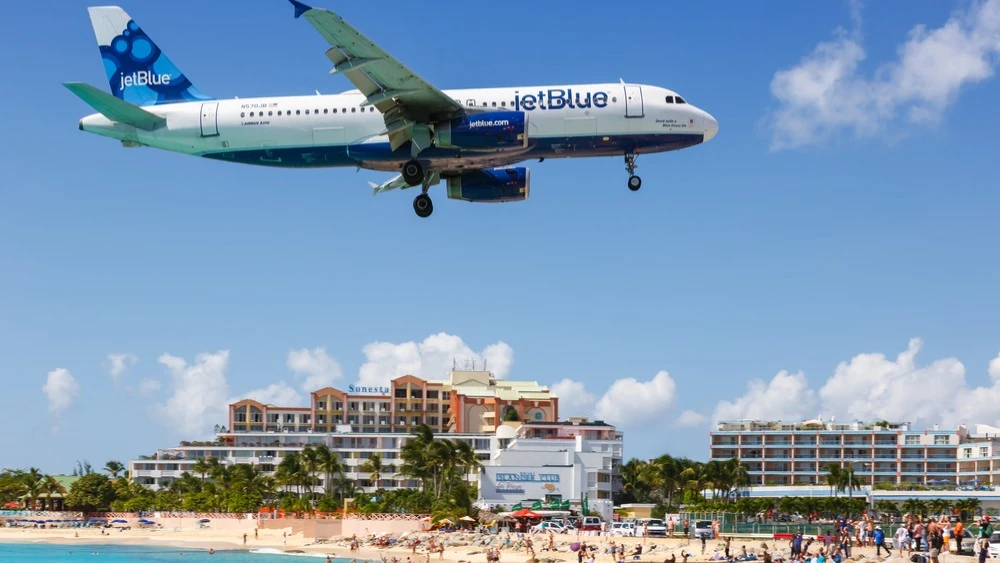
JetBlue, the sixth largest U.S. airline, tried to buy Spirit, but the deal was blocked by regulators in 2026 / Photo: Markus Mainka / Shutterstock.com
On Ma. 2, 2026, Spirit Airlines, the pioneer of the ultra-low fare model, announced it would cease operations altogether. The company, which for 33 years has made air travel more affordable for millions of Americans, has suffered several blows at once: a second bankruptcy since 2024, a sharp rise in jet fuel prices amid the conflict with Iran and the failure of negotiations on a $500 million federal bailout. 17,000 employees are out of work and thousands of passengers are without tickets, CNN wrote.
The context for the industry is unprecedented. The closure of the Strait of Hormuz led to the largest oil supply disruption in modern history, with the International Energy Agency estimating that global supplies were reduced by 14 million bpd. By Ma 18, the price of jet fuel in North America had surpassed to $3.9 per gallon, with Brent Crude oil trading above $110 per barrel.
Who will win after Spirit's departure
At such times - when weak players leave the market and demand remains - opportunities arise for companies ready to adapt to new conditions. The main risk for the sector is jet fuel prices. As long as the conflict over Iran remains unresolved and the capacity of the Strait of Hormuz is limited, rising fuel costs will put pressure on airlines' margins.
The big carriers are benefiting from Spirit's departure: for example, Southwest Airlines said it took more than 20,000 Spirit passengers on the first day, while United Airlines took about 14,000, CNBC wrote. But for small-cap airlines, the effect may be more noticeable, since it is on their routes that competitive pressure is lessened.
We selected three small-caps that operate in the affordable air travel segment and could capture a portion of Spirit Airlines' passenger traffic. Shares of all three companies remain highly volatile and sensitive to geopolitics, oil prices and consumer sentiment.
Frontier Group Holdings (ULCC)
Frontier Airlines is perhaps the closest major U.S. carrier to the classic ultra-low-cost model. According to the company, Frontier carried 33 million passengers on more than 440 direct routes in 2025.
Frontier tried to merge with Spirit back in 2022, but lost out to rival bidder JetBlue. Following the news of Spirit's closure, Frontier shares rose about 10% in trading on Ma. 4.
On Ma. 2, when Spirit announced it would cease operations, Frontier launched special fares with discounts of up to 50 percent for Spirit passengers, and offered the GoWild Summer Pass for $199 unlimited. Frontier now serves more than 100 routes that Spirit previously flew, and plans to add nine more new destinations this summer.
For the first quarter of 2026, Frontier Airlines revenue rose to $992 million versus $912 million a year earlier. Adjusted loss was $0.30 per share - better than the consensus forecast of $0.37 and JPMorgan Chase's estimate of $0.40, according to the bank's Ma 6, 2026 report. Revenue per available seat per flight kilometer grew 17% year-over-year, and management expects the departure of Spirit Airlines to add another 3-5 percentage points to that figure.
However, JPMorgan maintained an Underweight rating (sell advice) with a $5 target price, citing negative operating margins and structural business model issues. Meanwhile, Citigroup raised its target price on Frontier shares from $4.9 to $5, maintaining a Neutral rating. The company's liquidity remains ample: at the end of the first quarter, Frontier had $974 million in cash - about 25% of annual revenue, up about $100 million from a year earlier.
Frontier has a total of eight "hold" ratings (Hold), three "sell" ratings (Underweight and Sell) and only one "buy" rating (Buy), MarketWatch shows. The average target is $4.89, 5.5% higher than the stock's closing price on May 18.
Allegiant Travel (ALGT)
Allegiant Travel relies on a niche model: the company connects small and medium-sized cities with resort destinations, often remaining the only carrier on the routes. This model gives the company more flexibility: it can reduce or increase the number of flights faster depending on demand or fuel prices.
On Ma. 2, Allegiant launched a special offer for Spirit customers: a 50% refund in loyalty program points and a temporary fare freeze on overlapping routes.
But the big news for Allegiant Travel right now isn't about Spirit's departure: on Ma. 13, 2026, the company closed its acquisition of Sun Country Airlines. The combined company is one of the leading travel-focused carriers in the U.S., with a fleet of 195 aircraft and a route network in 175 cities. The expected synergy effect from the merger is about $140 million a year, with about half of this amount the company expects to receive in the first full year after the transaction. Morgan Stanley estimates that after the merger, about 10% of Allegiant's revenue will come from charter and cargo transportation, with fuel costs carried forward in contracts: this makes the company less vulnerable to rising fuel prices than many U.S. airlines.
In the first quarter of 2026, Allegiant reported record revenue of $732.4 million - up 9.6% year-over-year. Revenue per available seat per flight kilometer grew 20.8%.
Morgan Stanley maintained an Equal-weight rating ("hold") with a target price of $100 (research note is available in Oninvest's editorial office). The bank rates the stock at about 7.5 expected earnings in 2027 and sees a potential upside of about 30%. In total, the company's securities have six "hold" and five "buy" ratings, according to MarketWatch. The average target is $99.8.
JetBlue Airways (JBLU).
JetBlue is the sixth largest airline in the United States, and its history is closely tied to Spirit Airlines. Back in 2022, JetBlue outbid Frontier Airlines and tried to buy Spirit, but the deal was blocked by regulators in 2026.
Following Spirit's bankruptcy, JetBlue is strengthening its already strong position in Fort Lauderdale. In the first quarter of 2026, the company grew capacity at the airport by 23%, and revenue available seat revenue per flight mile increased by 5%. JetBlue has added 21 new destinations from Fort Lauderdale over the past year, including 11 since Spirit closed, and plans to operate nearly 130 flights per day this summer - a 75% increase from 2025.
At the same time, JetBlue's financial situation remains difficult: net loss for the quarter amounted to $319 million, and the high level of debt - $8.4 billion - continues to worry analysts.
TD Cowen raised its target price on the stock to $5 from $4.5 in a report dated Ma 8, 2026, maintaining a Hold rating and citing debt as a key constraint. On the same day, Jefferson Research gave the stock a Sell rating, with analysts citing strong earnings quality but weak operating performance and balance sheet.
Strategically, JetBlue is betting on JetForward's transformation program, which should bring the company an additional $850-950 million in EBIT (operating earnings before interest and taxes) by 2027.
According to Marketwatch, 13 Wall Street analysts advise holding JetBlue stock, five advise selling and only one advises buying. The average target price is $4.74, up 3.5% from the closing price on May 18.
Does not constitute individualized investment advice.