Top stories this morning: U.S. oil reserves at a 40-year low; xAI loses to OpenAI

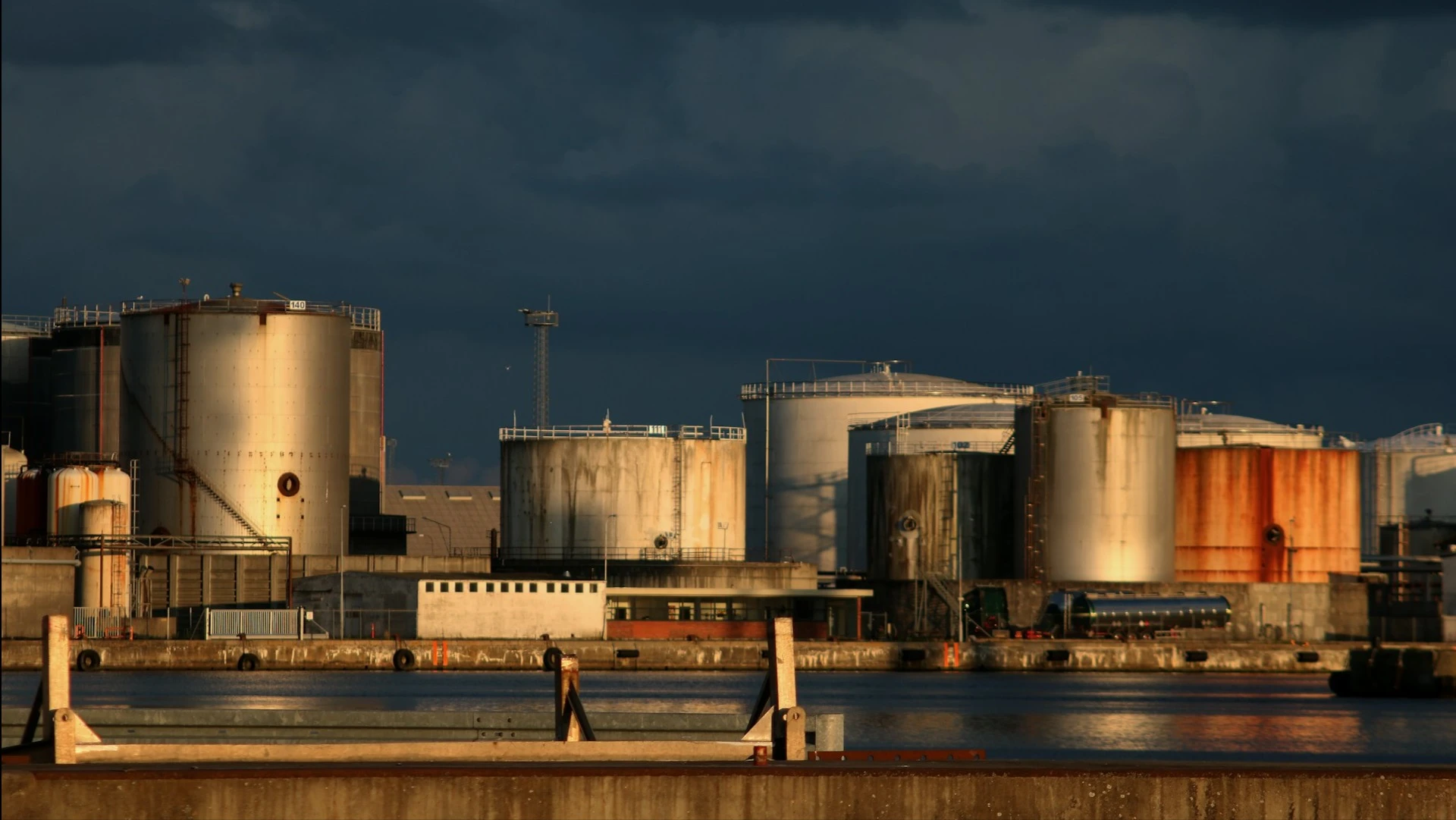
U.S. strategic oil reserves have fallen to 340.3 million barrels / Photo: Unsplash/Alex Waldbrand
The U.S. Strategic Petroleum Reserve has fallen to 340.3 million barrels, hitting a more than four-decade low. The Bank of Japan raised its key interest rate to 1%—the highest level since 1995—continuing to tighten monetary policy amid inflationary risks and a weak yen. Read about these and other topics in our review of key events as of the morning of June 16.
The U.S. Strategic Petroleum Reserve has fallen to its lowest level since 1983
The U.S. Strategic Petroleum Reserve (SPR) has fallen to 340.3 million barrels—the lowest level since the summer of 1983, according to CNBC. Over the past week, reserves have decreased by nearly 9 million barrels amid large-scale emergency shipments to offset disruptions in the oil market caused by the war with Iran. Despite reports of a deal between Washington and Tehran to resume shipping through the Strait of Hormuz, analysts and industry representatives warn that global oil reserves remain at critically low levels and will continue to decline for several more weeks or months until supplies return to normal.
The Bank of Japan raised its interest rate to a 30-year high
The Bank of Japan raised its key interest rate from 0.75% to 1%—the highest level since 1995, according to CNBC. The decision was supported by seven of the eight board members. The regulator continues to wind down its ultra-loose monetary policy amid a weakening yen and accelerating inflationary pressures, driven in part by rising energy prices due to the conflict surrounding Iran.
Following the decision, the Nikkei 225 index rose 0.5%, the yen strengthened slightly against the dollar, and the yield on 10-year Japanese government bonds rose to 2.615%. The Bank of Japan noted that inflation remains below the 2% target for now thanks to government subsidies, but rising oil prices are already accelerating producer price inflation and could lead to a broader increase in consumer prices.
Qualcomm is in talks to acquire the AI startup Tenstorrent
Qualcomm is in talks to acquire AI chip developer Tenstorrent for $8–10 billion, according to The Information, citing a source familiar with the negotiations. The deal has not yet been finalized; the terms may change, or the talks may end without a deal.
Founded in 2016, Tenstorrent develops accelerators for training and running AI models. The company is led by Jim Keller, a former engineer at Apple and Tesla. For Qualcomm, the acquisition could be part of a strategy to reduce its dependence on the smartphone market and strengthen its position in the fast-growing segments of artificial intelligence, data centers, and automotive technology, the publication notes.
The court has definitively dismissed xAI's lawsuit against OpenAI alleging the theft of trade secrets
A federal court in San Francisco has definitively dismissed Elon Musk’s xAI’s lawsuit against OpenAI, in which the company accused its competitor of unlawfully obtaining trade secrets related to the Grok chatbot, Reuters reports. Judge Rita Lin ruled that xAI failed to prove that OpenAI had induced the company’s former engineer, Xuechen Li, to disclose confidential information or was aware of the potential transfer of such data. The court denied the possibility of refiling the lawsuit, calling further proceedings futile.
This marks Musk’s second legal defeat in his disputes with OpenAI over the past month. Earlier, a jury dismissed his $150 billion lawsuit, in which he accused OpenAI and Sam Altman of straying from the company’s original non-profit mission. OpenAI called xAI’s claims baseless and stated that it has no need for competitors’ trade secrets. A former xAI employee named in the case remains a defendant in a separate lawsuit filed by the company and denies any wrongdoing.
The Reserve Bank of Australia kept interest rates unchanged and warned of inflation risks
The Reserve Bank of Australia kept its key interest rate at 4.35%, noting that inflation remains too high and that the central bank is prepared to tighten monetary policy further if necessary, according to CNBC. The central bank noted that the effects of disruptions in global oil supplies and rising energy prices continue to put pressure on inflation.
At the same time, Australia’s economy is growing more slowly than expected: GDP rose by 2.5% year-on-year in the first quarter, while quarterly growth slowed to 0.3%. Despite a slight slowdown in inflation to 4.2% in April, the figure still significantly exceeds the regulator’s target range of 2–3%, the TV channel notes.
What's happening in the markets
— Japan’s broad-based Topix index fell 0.3%, while the Nikkei 225 rose 0.6%.
— Hong Kong’s Hang Seng Index fell 1.3%, while mainland China’s CSI 300 Index rose 0.1%.
— In South Korea, the KOSPI rose 2%, while the KOSDAQ fell 1.3%.
— Australia's S&P/ASX 200 remained virtually unchanged.
— S&P 500 futures rose 1.65%, Nasdaq Composite futures rose 3.1%, and Dow Jones Industrial Average futures rose 0.9%.
This article was AI-translated and verified by a human editor