Top Stories This Morning: Venezuela May Withdraw from OPEC; Nvidia Has Suspended AI Cloud Deals

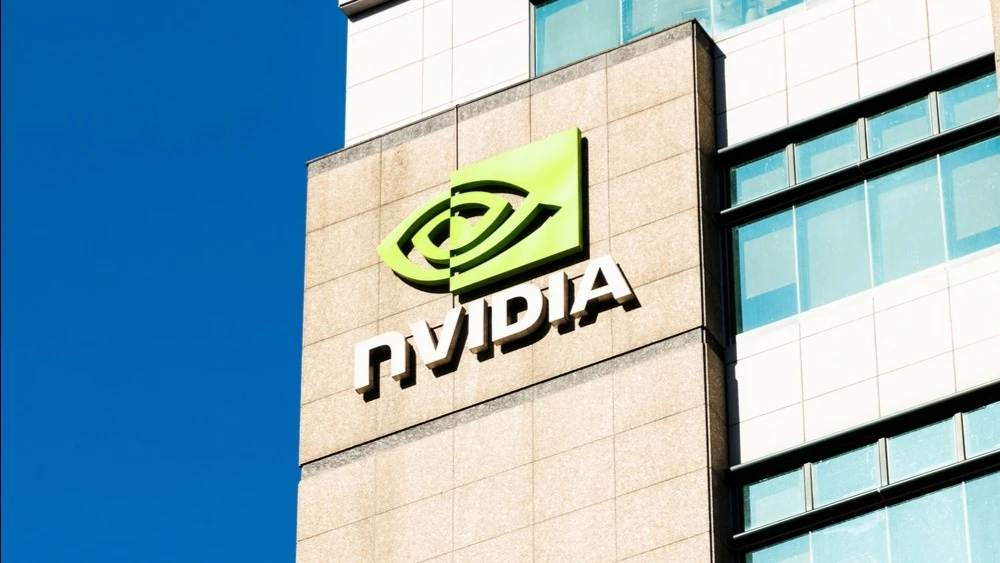
Nvidia had been offering financial support to AI cloud providers in exchange for a share of the revenue generated by the use of its chips, but has now suspended the program / Photo: Jack Hong / Shutterstock
Venezuela is considering withdrawing from OPEC—of which it was a founding member in 1960—amid a sharp warming of relations with the United States. Nvidia has suspended some deals under a program launched less than two months ago to support small AI cloud providers. Read about these and other topics in our roundup of key events as of the morning of August 28.
Venezuela is considering withdrawing from OPEC amid a thaw in relations with the U.S.
Venezuela is considering withdrawing from OPEC, of which it was a founding member in 1960, Bloomberg reports, citing sources. The matter has been discussed with U.S. officials, but no final decision has been made yet. The country’s withdrawal would be yet another blow to the cartel following the UAE’s decision to leave it.
The discussion is taking place against the backdrop of a sharp warming of relations between Caracas and Washington following the removal of Nicolás Maduro. The U.S. and Venezuela are also discussing the transfer of major stakes in oil fields to the U.S., including the possibility of leasing them for 100 years, according to Bloomberg sources. Withdrawing from OPEC would allow Venezuela to increase production in the future without the risk of restrictions from the cartel.
Nvidia has suspended some of its AI cloud deals under a new financing program
Nvidia has suspended some transactions under a support program for AI cloud providers launched less than two months ago, according to The Wall Street Journal. The company had offered them financial support in exchange for a share of the revenue generated from the use of its chips.
According to the WSJ, Nvidia could have received 50% of such revenue from cloud companies above a certain threshold. The program was suspended last week amid concerns among some employees about potential antitrust risks and growing investor scrutiny of Nvidia’s “circular” deals, which may artificially prop up demand for its chips, WSJ sources say.
Anthropic may allow shareholders to sell a portion of their shares during the IPO
Anthropic is considering allowing existing shareholders to sell a portion of their shares directly during the IPO, The Information reports, citing sources. The company also acknowledges that some shareholders may be subject to a lock-up period longer than the standard 180 days following the offering.
Banks discussed conducting an IPO with Anthropic valued at $1.5 trillion, whereas in May the company was valued at $965 billion in the private market. The prospectus is scheduled to be published after Labor Day in the U.S. (September 7), and the IPO itself could take place in late September or early October.
Advent and Stripe have backed out of a deal to acquire PayPal for more than $50 billion
A consortium comprising investment firm Advent and payment service Stripe has abandoned plans to acquire PayPal, Bloomberg reports, citing sources. The group had previously offered more than $50 billion for the company. Against this backdrop, PayPal’s shares fell 15% in after-hours trading following the close of the regular trading session.
Buyer interest helped PayPal's stock rise by more than 40% over the quarter, and the company's market capitalization reached about $52.6 billion. PayPal had previously deemed the initial offer from Advent and Stripe insufficient, after which the parties discussed the possibility of raising the price.

A court ruled that the Pentagon’s decision to place Anthropic on its “blacklist” was unlawful
A federal court in San Francisco has ruled that the Pentagon’s decision to designate Anthropic as a risk to the supply chain was unlawful, according to CNBC. Judge Rita Lin ruled that the Department of Defense violated the First Amendment to the U.S. Constitution (which prohibits restrictions on freedom of speech), as the decision was largely based on the company’s public criticism of the administration’s stance on the use of AI.
Anthropic was placed on a “blacklist” in March after negotiations regarding the military’s use of Claude models broke down. The company demanded guarantees that its technology would not be used for fully autonomous weapons or mass surveillance within the United States. The court’s decision marked a significant victory for Anthropic; however, a separate legal proceeding in Washington, D.C., is still ongoing, so the restrictions remain in place for now.
What's Happening in the Markets
— Japan's broad-based Topix index rose 1.1%, while the Nikkei 225 rose 0.7%.
— Hong Kong's Hang Seng Index rose 0.4%, while mainland China's CSI 300 Index fell 0.2%.
— In South Korea, the KOSPI fell 1.3%, while the KOSDAQ rose 0.3%.
— Australia's S&P/ASX 200 rose 0.5%.
— Nasdaq Composite futures fell 0.2%, S&P 500 futures fell 0.1%, and Dow Jones Industrial Average futures rose 0.1%.
This article was AI-translated and verified by a human editor