Trump announced an "energy truce" between Ukraine and Russia. What do analysts think?

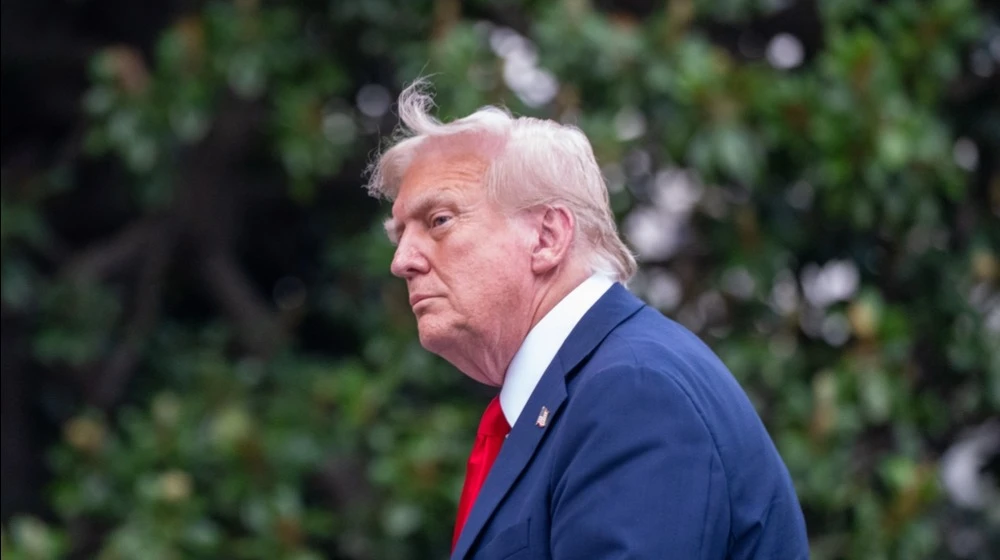
Russia previously accounted for about 10% of global maritime diesel fuel shipments / Photo: Andrew Leyden / Shutterstock.com
U.S. President Donald Trump’s statement that Russia and Ukraine had agreed to a ceasefire in the energy sector has raised doubts among prominent market strategists, according to Seeking Alpha. Former JPMorgan chief strategist Marko Kolanovic called the announcement “yet another hoax,” while Fundstrat Global Advisors founder Tom Lee saw a potential truce—if it materializes—as an opportunity to ease inflationary pressures.
What Trump Said
On October 11, Trump announced that Russia and Ukraine had agreed to halt attacks on energy infrastructure. “As of now, an energy ceasefire is in effect in the war between Russia and Ukraine. Both sides have agreed to this. Do not violate it,” the U.S. president wrote on the social media platform Truth Social. He did not provide any details.
Russia has not yet confirmed Trump’s statement. Ukrainian President Volodymyr Zelenskyy told Axios that Trump’s statement came as “news” to him. “But if the Russians agree to a ceasefire in the energy sector, Ukraine will agree as well,” he said.
Trump had already announced an “energy truce” between Russia and Ukraine on September 14. Nevertheless, attacks continued on both sides. The Financial Times, citing sources, reported that Trump apparently jumped the gun with his announcement.
What They're Saying on Wall Street
Marco Kolanovic, former chief strategist at JPMorgan, cast doubt on Trump’s statement that both countries had agreed to halt attacks on energy infrastructure. “This past weekend, everyone saw tankers, oil fields, and airports on fire. This energy truce looks like yet another deception,” Kolanovic wrote on social media platform X.
For his part, Tom Lee, founder and head of research at Fundstrat Global Advisors, saw a potential “energy truce” as an opportunity to ease inflationary pressures. “That’s positive, if it’s true,” he wrote on X. “High oil prices have been a global source of inflationary pressure and problems for consumers.”
Why Is This Important for the Global Market?
Ukrainian attacks on Russian oil refineries and other energy facilities forced Moscow to impose a temporary ban in July on the export of most diesel fuel, jet fuel, and gasoline. Prior to that, Russia accounted for about 10% of global seaborne diesel fuel shipments. The removal of these volumes from the market amplified the impact of disruptions to shipping through the Strait of Hormuz, according to Bloomberg.
Last Friday, October 9, Trump announced that he had reached an agreement with Russia to supply diesel fuel to the U.S. and global markets. According to data from the U.S. Energy Information Administration (EIA), the last time the U.S. imported diesel fuel from Russia was in March 2022.
The decision, which required the lifting of sanctions on transactions involving Russian diesel fuel, drew criticism from both parties in the U.S., according to The Wall Street Journal. On the afternoon of October 11, a group of Democratic and Republican senators issued a joint statement calling the planned shipments a violation of a 2022 law that banned the import of Russian energy resources into the U.S.
This article was AI-translated and verified by a human editor