A Warning Sign for the AI Market: DeepSeek Seeks $12 Billion—Key Details on the IPO as of October 11
Firmus, a data center operator in which Nvidia has invested, has canceled its IPO, which could be seen as a warning sign for the market, according to Bloomberg

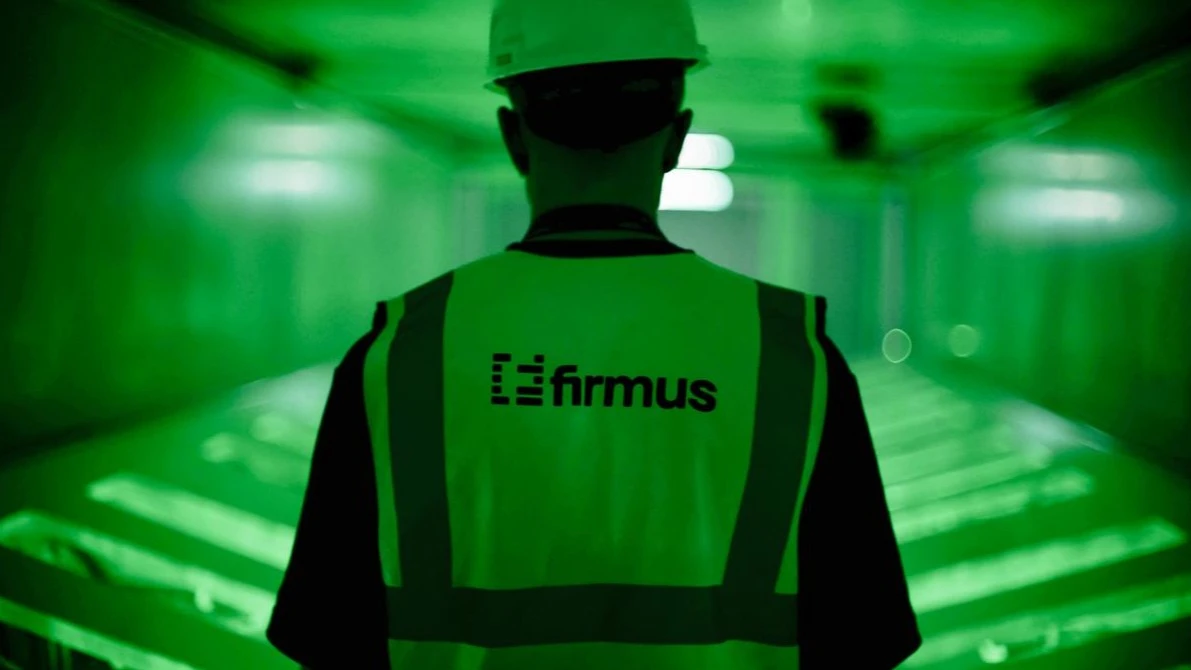
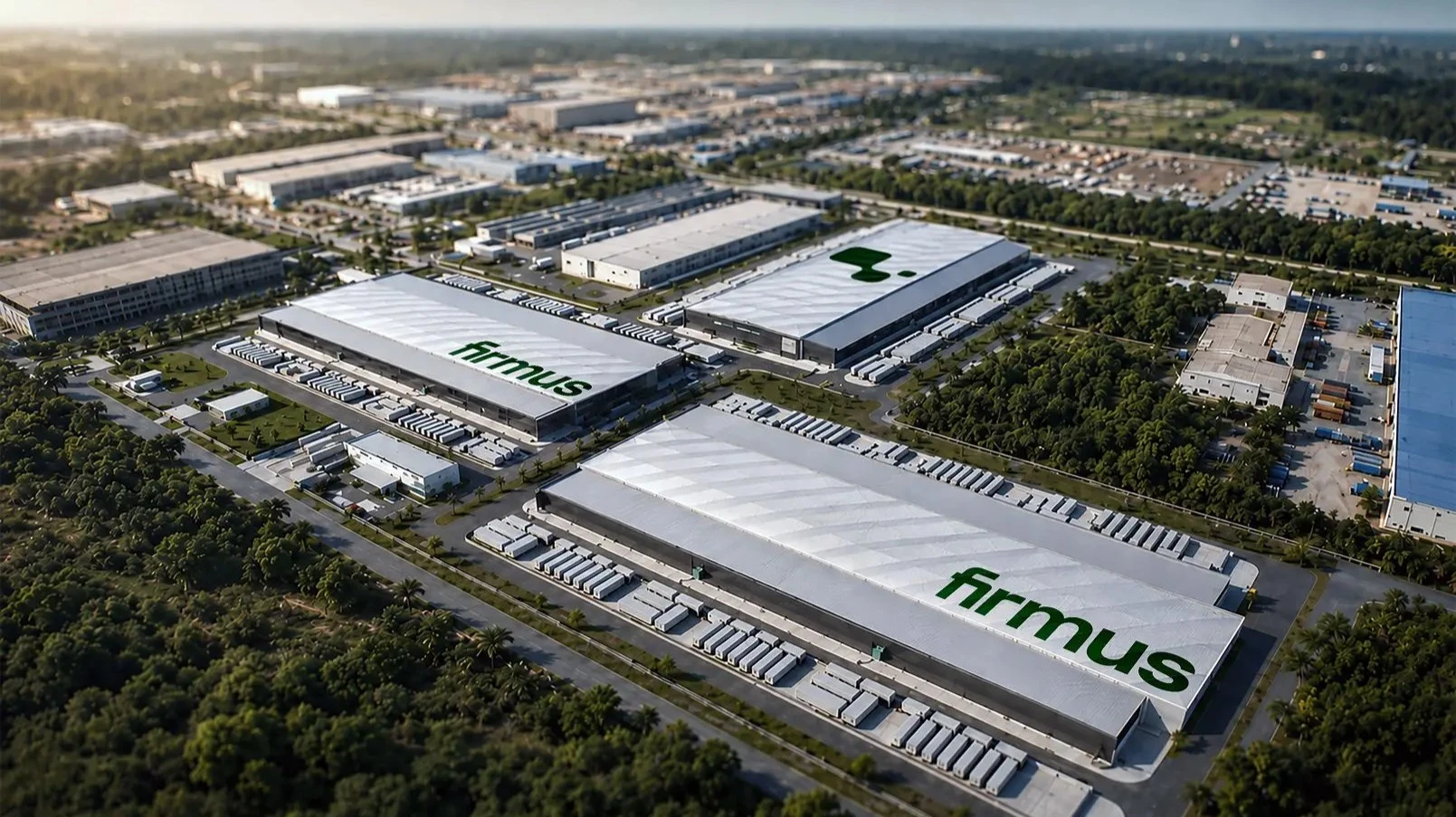
The collapse of the deal involving data center operator Firmus highlights growing concerns about investors' willingness to pay any price for AI companies / Photo: Firmus
Chinese AI startup DeepSeek is close to raising at least $12 billion at a $75 billion valuation ahead of an IPO that could take place in early 2027. Its competitor, Moonshot AI, has completed a funding round at a $50 billion valuation and is preparing to raise up to $5 billion on the Hong Kong Stock Exchange. Meanwhile, Firmus, an Australian AI data center operator backed by Nvidia, canceled its IPO due to insufficient demand. Check out our roundup of the week’s top events in the initial public offering market.
What is known about future placements
— Chinese AI company DeepSeek is close to raising at least 80 billion yuan ($12 billion) in a new round of funding ahead of an IPO that could take place in early 2027, according to sources cited by Bloomberg. The startup initially expected to raise about 50 billion yuan, but strong investor demand following the release of its new V4 Flash model could push the total amount to 100 billion yuan ($15 billion). Among the largest participants in the round are Tencent and battery manufacturer CATL; DeepSeek’s valuation could reach 500 billion yuan ($75 billion). Once the funding round is complete, DeepSeek intends to begin preparations for its initial public offering.
— Chinese AI company Moonshot AI has completed its latest round of private funding at a valuation of approximately $50 billion and is preparing for an IPO in Hong Kong in the first quarter of 2027, according to Bloomberg sources. The company, which developed the Kimi K3 model—a competitor to OpenAI and Anthropic—expects to raise up to $5 billion in the offering and may begin preliminary meetings with investors as early as October. In the summer, Moonshot was valued at $31.5 billion, and its annual recurring revenue (ARR) is expected to grow from $1 billion currently to $2 billion by December. However, the IPO timeline may change amid increased scrutiny from Chinese regulators, who have begun a data security audit of Moonshot and DeepSeek.
— Belron, the world’s largest automotive glass repair and replacement company, which owns the Safelite, Autoglass, and Carglass brands, has selected banks to organize a potential IPO that could be the largest in Europe in recent years, according to Bloomberg sources. Bank of America, BNP Paribas, JPMorgan, and Morgan Stanley will handle the offering. The company is considering a listing on the Amsterdam Stock Exchange as early as 2027, with a valuation of more than €30 billion ($34 billion). Last year, Belron fulfilled 17 million orders, and its revenue totaled €6.7 billion. The Belgian D’Ieteren Group holds a controlling stake in the company; other shareholders include BlackRock and GIC.
— Solidigm, the U.S. subsidiary of South Korea’s SK Hynix and a flash memory manufacturer, has selected banks for an IPO in the U.S., which could take place in 2027, according to Bloomberg sources. Goldman Sachs, Morgan Stanley, JPMorgan, Citigroup, and UBS will lead the offering. The company expects to raise about $10 billion at a valuation of up to $100 billion and is also preparing a pre-IPO funding round. Solidigm, founded in 2021 after SK Hynix acquired Intel’s flash memory business, specializes in storage solutions for AI data centers. Its clients include CoreWeave, Dell, and Tencent.
— City Therapeutics, an American biotechnology company developing RNA interference-based drugs, plans to raise more than $184 million in an IPO on the Nasdaq, according to Bloomberg. The company intends to offer 9.7 million shares at $17–19 each, implying a valuation of up to $956 million. Its investors include Arch Venture Partners and Fidelity. City is developing drugs to treat thromboembolic and hereditary eye diseases.
— Dutch beverage maker Refresco, owned by investment firm KKR, is considering an IPO in the U.S. or Europe at a valuation of more than $10 billion, sources told Reuters. The company has already held talks with investment banks about preparing for the offering, but a final decision has not yet been made. KKR acquired Refresco in 2022 for approximately $8 billion. The company, which partners with Walmart, Aldi, Coca-Cola, and PepsiCo, operates 85 production facilities in North America, Europe, and Australia.
Who Canceled or Postponed an IPO?
— Firmus, an Australian AI data center operator backed by Nvidia, has scrapped its planned IPO due to market volatility and unfavorable market conditions. The company’s board of directors determined that the proposed terms of the offering did not reflect its long-term growth prospects. Firmus had hoped to raise $5.5 billion at a valuation of over $30 billion. According to Reuters, this offering could have been the second-largest in Australian history. The company is now discussing with existing investors the possibility of raising $2–3 billion in a private funding round, Bloomberg sources reported. In August, Firmus raised $2 billion from investors, including Nvidia, Blackstone, and Coatue, at a valuation of over $10.5 billion.
How Did This Week's IPOs Go?
— Shares of the payment service Airtel Money fell 5% during its debut trading session in London. Its IPO was the largest on the British stock exchange in five years, according to Bloomberg: Airtel Money’s shareholders raised approximately £529 million ($703 million), and the entire business was valued at £5.2 billion ($6.9 billion). In the run-up to the IPO, the company twice lowered its valuation expectations to attract investors. The weak debut was yet another warning sign for the UK IPO market, which is experiencing a prolonged slump amid volatility and concerns about interest rates and the AI boom, the agency notes. Nevertheless, the Airtel Money offering was oversubscribed multiple times. The company provides payment services in Africa, serves approximately 53 million active users per month, and its transaction volume for the year ending in June reached $213 billion.
— TRex Bio, an American biotechnology company specializing in the treatment of autoimmune and inflammatory diseases, raised $116.7 million in its IPO on the Nasdaq, according to Bloomberg. Shares were priced at $14 each—the lower end of the stated range—giving the company a valuation of $384 million. Its investors include Eli Lilly, Pfizer Ventures, and Johnson & Johnson Innovation. TRex will use the proceeds to develop experimental drugs, including treatments for atopic dermatitis.
Other Important News from the World of IPOs
— The postponement of the IPO of Firmus, an Australian data center operator backed by Nvidia, has sent a warning signal to the artificial intelligence market amid concerns about the overvaluation of AI companies, according to Bloomberg. According to analysts, investors still believe in the prospects of AI, but are no longer willing to pay any price for companies that spend billions on infrastructure and promise to turn a profit only years down the road. Firmus had hoped to raise $5.5 billion at a valuation of about $30 billion, compared with $10.5 billion in August. However, its revenue for fiscal year 2026 totaled just $51 million, and only 46 MW of the planned 912 MW of capacity has been built. Analysts at Rayliant Global Advisors warn that Firmus may not be the last AI company whose IPO disappoints investors as the hype surrounding the technology begins to fade.
— Investors considering participating in Anthropic’s IPO face an unusual challenge: how to value a company whose technologies could potentially pose a threat to humanity, according to Bloomberg. The startup expects to go public with a valuation of up to $2 trillion, but analysts warn of the risks of massive financial liabilities should artificial intelligence cause harm, the agency notes. Sam Lessin, a partner at Slow Ventures, has proposed requiring AI companies to set aside $1 trillion to cover potential losses, which could reach $2–4 trillion. At the same time, experts believe that these concerns are unlikely to derail Anthropic’s IPO, and that safety expenditures could strengthen its competitive position. The main challenge for investors is the inability to quantify these risks due to a lack of case law and clear regulations.
This article was AI-translated and verified by a human editor