Trump has a week to make a deal or the U.S. will face a 'real problem' - Moody's

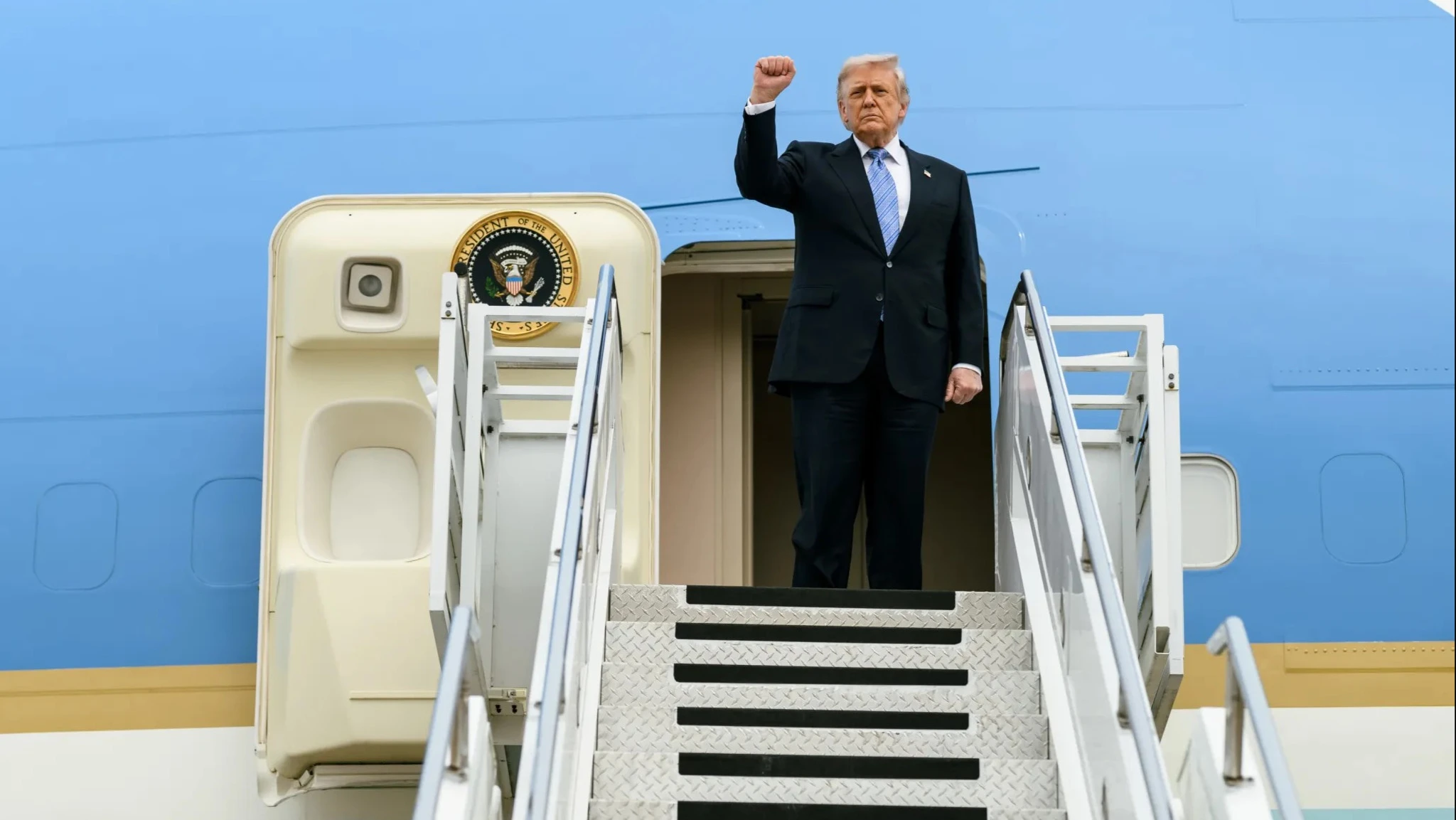
If Donald Trump does not finalize the Iran deal, the US economy could slip into recession due to high fuel prices, according to Moody's / Photo: The White House
Protracted peace talks between the US and Iran must lead to a deal soon if the US is to avoid more serious economic damage, says Moody's chief economist Mark Zandi. He said Donald Trump has about a week before the fallout from the war increases the likelihood of the U.S. economy sliding into recession.
Details
The continued rise in oil prices will begin to take a more noticeable toll on consumers and the economy if they don't come down within this week, according to Moody's chief economist Mark Zandi. The spike in oil prices has already brought the U.S. to the brink of recession, and the market's hope is that a peace deal can cool the cost of crude enough to move the country away from that critical threshold, Zandi said Friday in an interview with Bloomberg. Zandi's words are quoted by Business Insider.
"It would have to happen very quickly - in the next day, two days, three days, next week or so," the economist said of a possible peace agreement with Iran. - After that, I think we're going to have a real problem."
Zandi pointed to declining U.S. oil inventories: the country's strategic oil reserve recently fell to 365 million barrels, the lowest in about two years, according to the U.S. Energy Information Administration.
Without a deal with Iran, gasoline prices could soon rise above $5 a gallon, a key psychological threshold for consumers that could trigger spending cuts and an economic downturn, Zandi explained. He also suggested that a rise in oil prices above $125 a barrel would be another critical signal that could indicate an approaching recession in the U.S. economy. The U.S. average price of a gallon of gasoline on Monday was $4.32, Business Insider noted.
"We're going to get to that $5 a gallon," Zandi said. - I think that will be enough to push an already fragile economy into recession."
Context
Iranian news agency Tasnim wrote on Monday that Tehran intends to halt talks and block the Strait of Hormuz until key demands are met, particularly if Israel does not halt its offensive in Lebanon. That's bad news for Trump, who has been hinting at a deal for weeks but has yet to show anything concrete, Business Insider writes. Oil rose sharply on Monday morning, with Brent and U.S. crude prices rising about 7%.
Israel will stop its offensive on the Lebanese capital Beirut and has already deployed its troops and the Lebanese group Hezbollah has agreed to a ceasefire in the conflict with Israel. This is what US President Donald Trump wrote on the social network Truth Social on Monday, June 1. After that, oil quotations fell slightly and were below $95 per barrel.
Energy research firm HFI Research suggested that Trump has a countable number of days left to avoid serious economic damage. "The issue is already going on for hours, for days: options and Trump is running out of time," the company wrote in a Sunday post on Substack. - By the end of June, if the Strait of Hormuz is still closed, the global oil supply is guaranteed to fall to an operating low."
The probability that the U.S. will enter a recession over the next 12 months, based on the government bond market, was about 17% at the end of April, according to an analysis by the Federal Reserve Bank of New York.
This article was AI-translated and verified by a human editor