Trump postponed signing executive order on AI and cybersecurity: he "didn't like" it

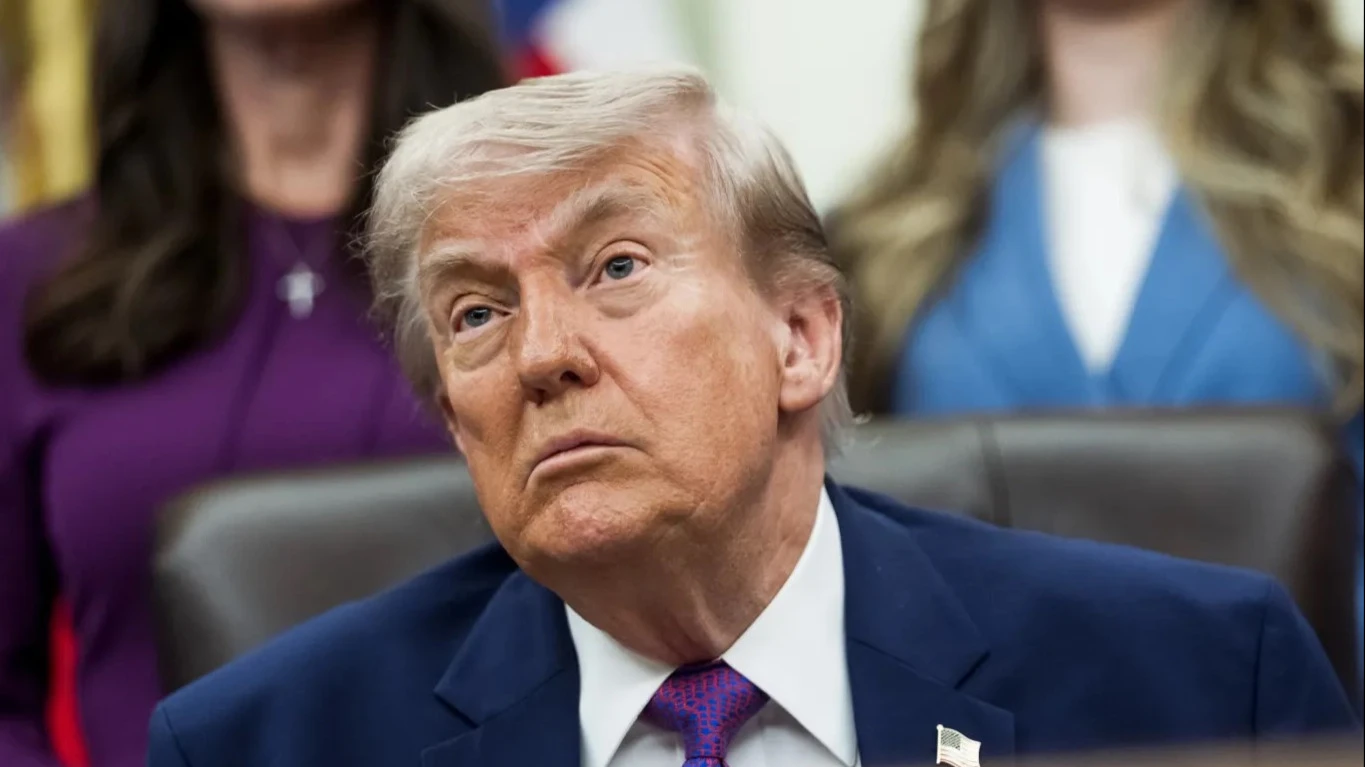
Donald Trump is determined to make sure the cybersecurity executive order doesn't take away the U.S.'s AI advantage over China / Photo: The White House
U.S. President Donald Trump said he delayed signing an executive order that would have responded to cybersecurity risks that come with new models of artificial intelligence. This was reported by Bloomberg.
Trump explained that because he "didn't like" certain provisions of the document. The president explained that he wanted to make sure that the executive order would not lead to actions that could weaken the US advantage over China in the AI sphere.
"I didn't like some aspects of it. I put it aside. I did think it [the document] could be an obstacle, and I want to make sure that doesn't happen," the US president said at a White House event on Thursday. "We're ahead of China, we're ahead of everybody, and I don't want to do anything that would impede that leadership," he added.
The president was expected to sign the executive order later on Thursday, Ma. 21, with executives from a number of technology companies having already been sent invitations to a signing ceremony at the White House, Bloomberg writes.
The executive order, which has been in the works for weeks, would have modified existing cybersecurity information-sharing programs to cover AI companies, but would not have imposed mandatory federal approval of advanced models, Bloomberg News reported on Ma. 8. Instead, the document would have called for voluntary government testing of advanced AI systems to identify and address vulnerabilities in federal, state and local networks, as well as U.S. critical infrastructure, without requiring extensive new oversight.
On March 27, Fortune magazine published an article stating that a new AI model, which the startup Anthropic was testing at the time, could be used by hackers to bypass existing cyber defenses. This caused panic in the market and led to discussions of the problem even within the Defense Department.
This article was AI-translated and verified by a human editor