SpaceX has successfully tested the Starship rocket for the first time since its IPO
The company succeeded on its second attempt—the launch, originally scheduled for last week, was postponed due to engine problems

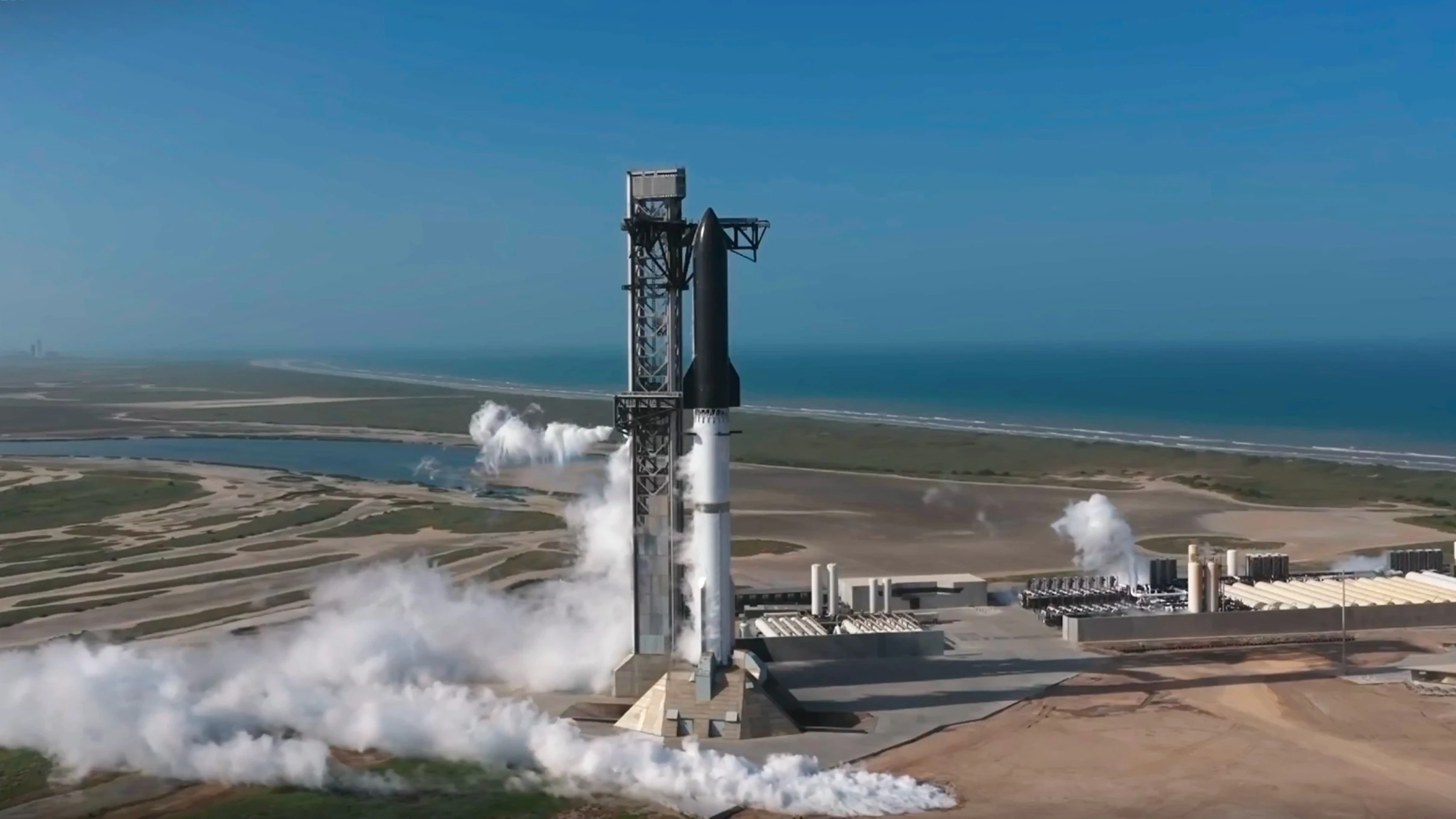
Photo: spacex.com / Starship's Thirteenth Flight Test
Elon Musk’s aerospace and AI corporation, SpaceX, successfully tested the Starship rocket on Friday, demonstrating a range of on-board capabilities, including the rocket’s first suborbital launch of new Starlink satellites into orbit. The test was streamed live on the company’s website. This was Starship’s 13th test flight—and its first since the company’s historic IPO just over a month ago.
Nevertheless, SpaceX’s stock remained mostly in negative territory after the successful launch of the test mission, losing about 1–2%. Bloomberg notes that SpaceX did not succeed in launching Starship on its first attempt: the tests, originally scheduled for last week, were canceled due to engine issues. They were later rescheduled from July 23 to July 24 due to weather conditions.
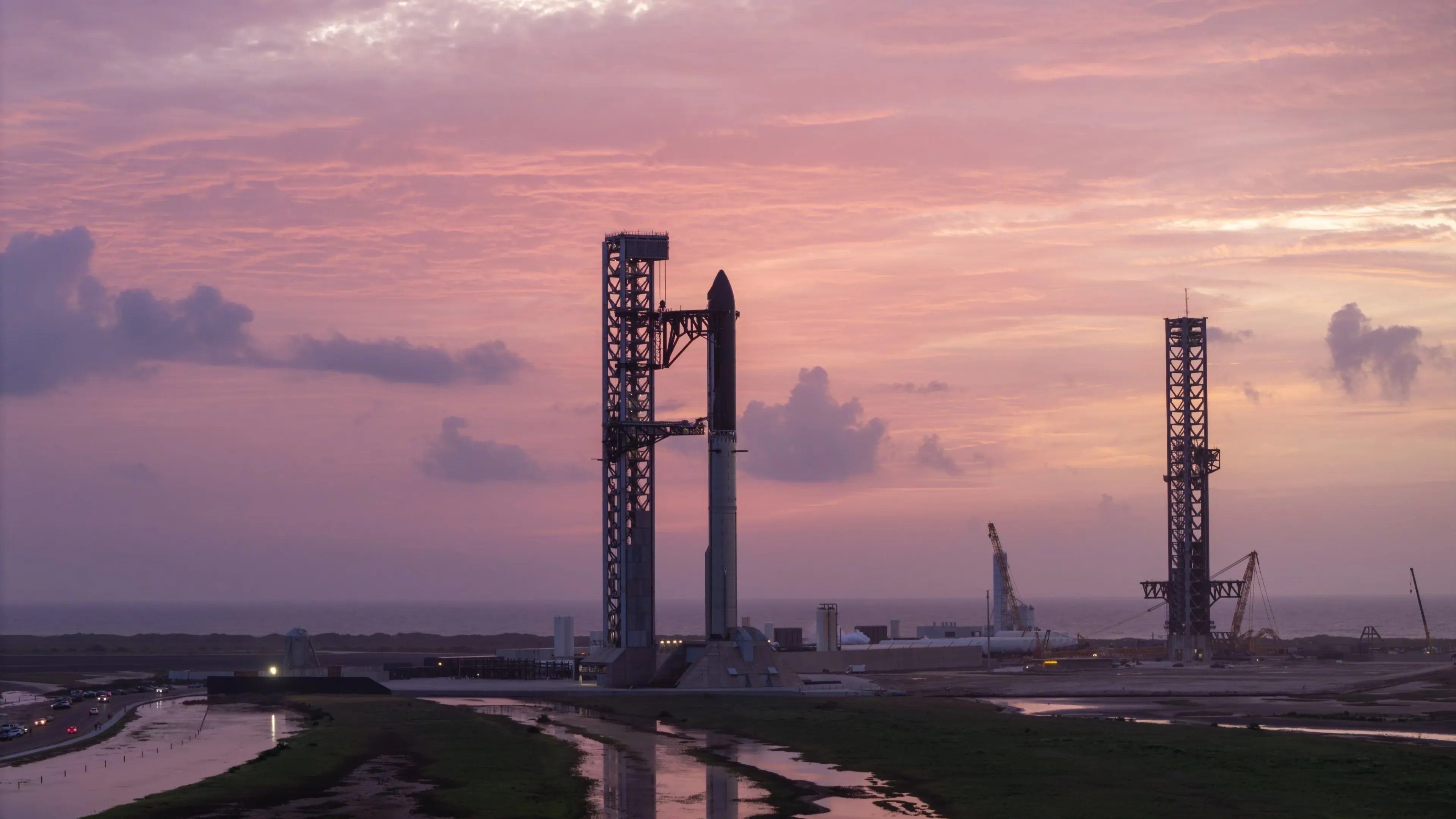
Bloomberg notes that the mission was crucial for testing the technologies needed to realize the ambitions of the company’s CEO, Elon Musk. Ultimately, the approximately 122-meter-tall Starship launch vehicle lifted off from SpaceX’s Starbase launch site in Texas around 6:50 p.m. Eastern Time. The Super Heavy first stage propelled the rocket’s upper stage—Starship—onto a suborbital trajectory. Eighteen minutes after launch, SpaceX successfully placed 20 of its new Starlink V3 satellites into orbit, marking the company’s first opportunity to evaluate their performance in flight, according to CNBC. The approximately one-hour mission concluded with Starship re-entering Earth’s atmosphere and splashing down in the Indian Ocean.
The Starship test flight was SpaceX’s 13th since 2023. The mission involved a new version of the rocket, which is crucial to the company’s plans to expand the Starlink satellite network and, subsequently, to land humans on the Moon—and, ultimately, — to build AI data centers in orbit, according to Reuters.
This article was AI-translated and verified by a human editor