Billionaires including Musk and Zuckerberg convinced Trump to delay AI executive order - WP
Trump said he "didn't like" certain provisions of the executive order
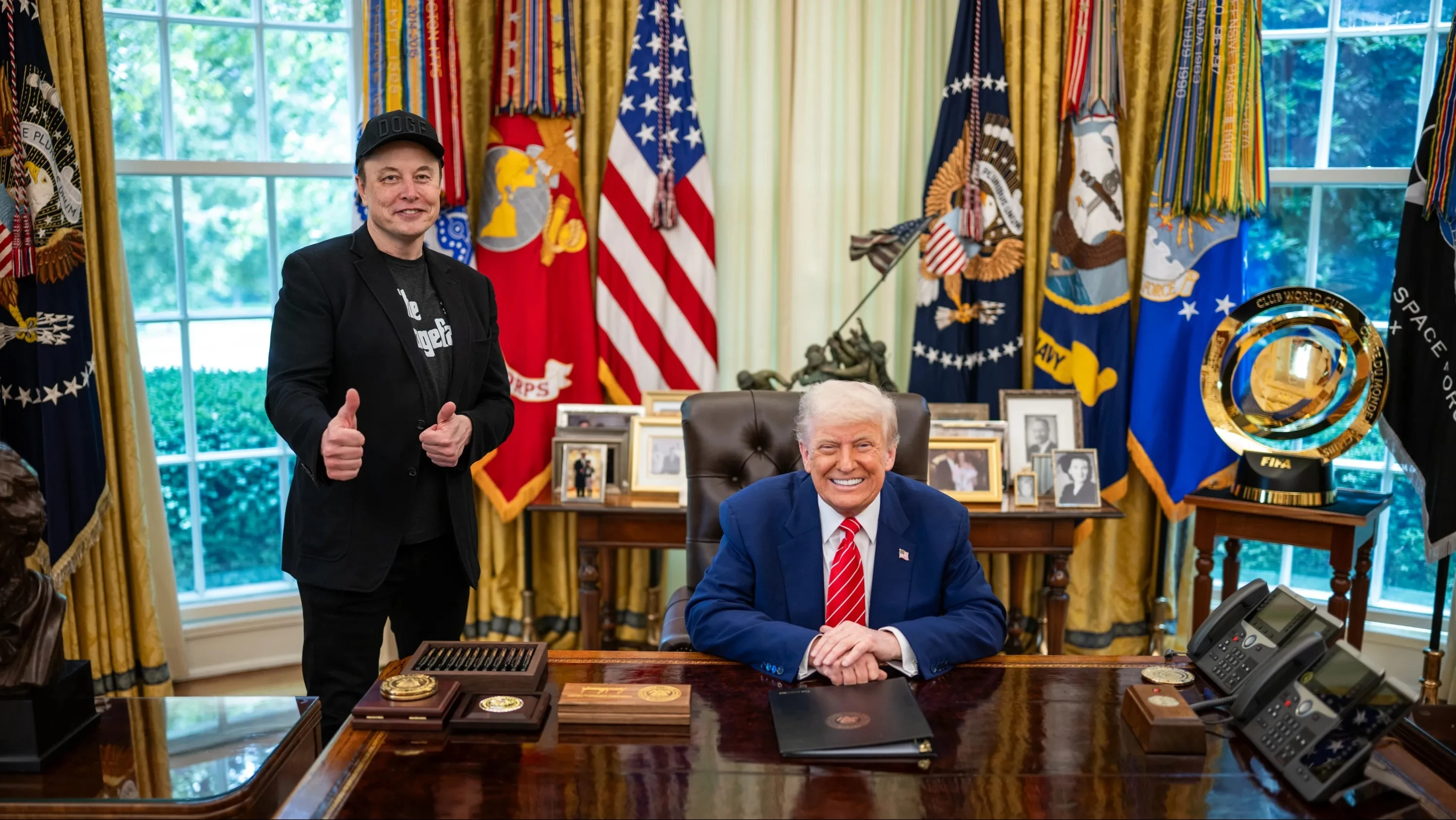
Trump refused at the last minute to sign an executive order to regulate AI after consulting with industry leaders / Photo: The White House
US President Donald Trump refused at the last minute to sign an executive order on artificial intelligence after phone conversations with billionaires from the technology industry, including Elon Musk and Mark Zuckerberg, The Washington Post writes, citing sources. The businessmen told Trump that regulation could slow the development of the AI industry in the US and weaken the companies' position in the fight against China.
Details
Trump was supposed to sign an executive order on artificial intelligence on Thursday, May 21, but just hours before the planned ceremony, to which invitations were sent to industry leaders, he changed his mind. According to The Washington Post, Trump changed his mind after a series of phone calls with tech executives, including Tesla and SpaceX CEO Elon Musk and Meta CEO Mark Zuckerberg, as well as former cryptocurrency adviser David Sachs.
The draft decree called for a voluntary system in which companies would give the government early access to new advanced AI models (up to 90 days before public launch) so that authorities could examine them for dangerous capabilities, identify vulnerabilities and prepare defenses, WP quoted a draft of the decree as saying, adding that it was not about licensing or mandatory state authorization to release AI models.
However, Sachs and IT billionaires including Musk and Zuckerberg told Trump that the formally voluntary system could in practice turn into a mandatory mechanism for coordinating releases with the government, according to The Washington Post. Sachs also warned that the new rules could slow down the release of even small updates to AI models and weaken the US position in competition with China, the newspaper said.
Trump himself said he "didn't like" certain provisions of the document and that he wanted to make sure the executive order didn't lead to actions that could weaken the U.S. advantage over China in AI. Elon Musk, on social media X, called reports that he convinced Trump not to sign the executive order false. "I still don't know what was in the executive order, and the president spoke to me after he had already refused [to sign it]," Musk said.
Context
The issue of AI regulation has caused controversy within Donald Trump's administration, especially after the emergence of new models like Anthropic's Mythos that can identify and exploit vulnerabilities in computer code, The Washington Post reported.
Musk, Saks and big AI companies are key political donors who could play a key role in future Republican Party fundraisers, WP argued. On the other hand, the White House is facing increasing negativity toward AI among Trump voters, who worry that AI will take away their jobs and raise their energy bills, the newspaper added.
According to a federal official spoken to by The Washington Post, work on the executive order has not stopped and the administration is likely to revisit the document at a later date, though it's unclear what form it might reappear in.
This article was AI-translated and verified by a human editor