TSMC has predicted “long-term demand” for chips. The sector is currently in a “bear market.”

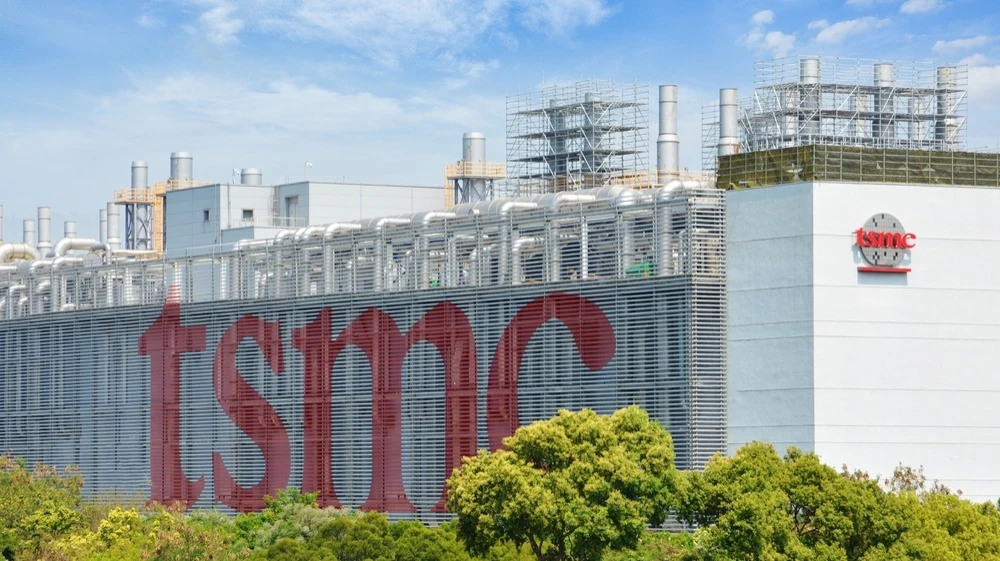
TSMC Expects Stable Demand for AI Chips for Years to Come / Photo: Jack Hong / Shutterstock
TSMC, the world's largest contract semiconductor manufacturer, has predicted that demand for its AI chips will remain strong in the coming years, Reuters reports, citing the company's chief financial officer, Wendell Huang.
In an interview following the release of strong second-quarter financial results, Huang said the company is “very pleased” with its progress in Arizona, where it has built chip manufacturing plants, and has therefore decided to increase its investment by $100 billion—to $265 billion.
"We will continue to invest. We are still seeing strong demand from customers—long-term, structural demand," he said in an interview with Reuters.
When asked whether the company was considering raising funds through a new share offering in the U.S., Wendell Huang replied that he did not “rule out issuing new bonds” if market conditions were favorable. In July, South Korean chipmaker SK Hynix organized a secondary listing in the U.S., and its main competitor, Samsung Electronics, has reportedly begun exploring such a possibility, according to Bloomberg sources.
Context
Thanks to aggressive capital spending and soaring profit margins, TSMC has become a barometer of demand for the entire global semiconductor industry, Reuters explained. The company reported a 77% year-over-year increase in net income and a 36% rise in revenue for the second quarter. The results exceeded market expectations amid a sharp rise in global demand for artificial intelligence chips. This marks the fifth consecutive quarter in which TSMC’s net income has hit record highs, CNBC notes.
Although TSMC has long been the clear market leader in the production of the most advanced chips, its competitors are striving to close the gap. Among them are Samsung Electronics, which has benefited from the recovery of the memory chip market, and Intel, which enjoys the support of the U.S. government, Reuters notes.
TSMC shares, traded on the Taiwan Stock Exchange, rose 1.3% during trading on July 20; year-to-date, the stock is up nearly 50%. On Friday, July 17, the company’s shares fell 7.3%, despite the company’s record results. At the same time, the Philadelphia Semiconductor Index, which tracks semiconductor manufacturers, briefly fell 5.7%, entering “bear” territory: it had lost more than 20% from its recent high reached in June. The sell-off was triggered by investor concerns about the sustainability of massive investments in artificial intelligence and overly inflated stock valuations following their sharp rally.
Most analysts covering TSMC stock recommend buying it—33 out of 34. Only one analyst has a neutral stance with a “hold” recommendation.
This article was AI-translated and verified by a human editor