U.S. stocks fall more than 2%, fear index soars: Wall Street selloff


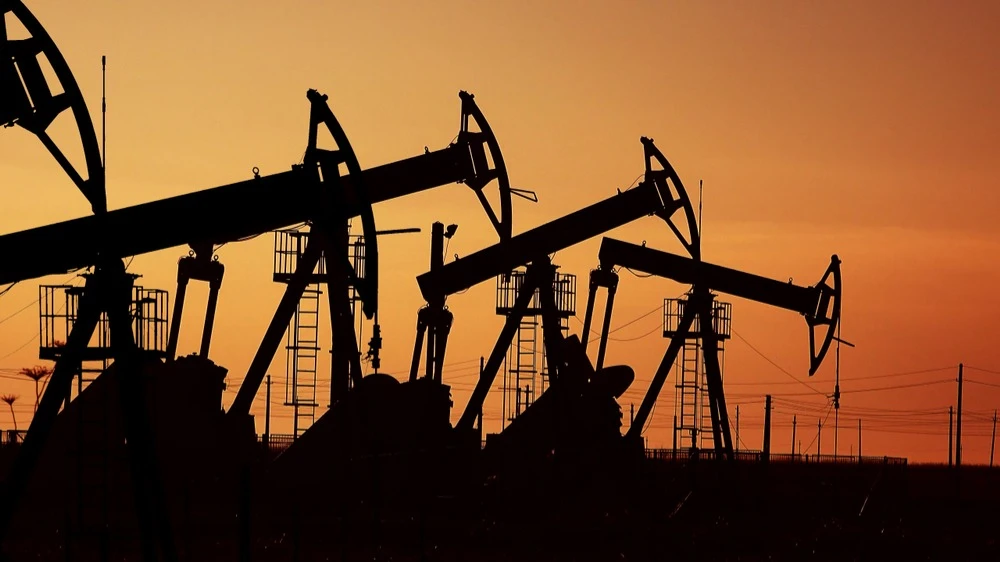
Oil accelerated growth in trading on March 3 and reached the maximum for almost two years / Photo: Shutterstock.com/MEDIAIMAG
U.S. stocks fell sharply after the start of trading on Tuesday, March 3 - the fourth day of the war between the United States and Iran. Moreover, quotations fell more than a day earlier, when the U.S. stock exchanges opened for the first time since the conflict began. Investors are concerned about oil, which has risen to a maximum of almost two years and the possibility that the confrontation in the Middle East may be prolonged.
Details
- The main U.S. stock index S&P 500 declined by 1.8% in the first minutes of trading. Then it accelerated its decline and was losing more than 2%.
- The blue-chip index Dow Jones Industrial Average fell by about 900 points or 1.8%. After that, it also began to decline even more strongly: it was losing more than 1,100 points or 2.3% at the moment.
- "The tech-heavy Nasdaq Composite index was losing more than 2%.
- The Russell 2000 index of small and mid-capitalization companies fell the hardest of the four, down more than 3.3%.
- The VIX index, known as the "Wall Street Fear Index", on the contrary, jumped 24% to 26.5 points. A level above 20 points - a psychologically important mark - indicates high volatility in the market.
- Brent crude oil futures rose by 8% to $84.2 per barrel. During trading on Tuesday, the growth rate of quotations exceeded 9%, and the price reached the maximum since mid-July 2024.
- Spot prices for gold were declining by about 5%. Silver depreciated by more than 10%.
What drives the market
Stocks fell and bonds intensified losses as the market sees no signs of de-escalation between the U.S. and Iran and fears prolonged turmoil in the global energy market and a surge in inflation, Bloomberg writes. Only a few sectors in the S&P 500, including energy and defense, managed to avoid the fall.
"Risk-aversion mode is the key word right now as investors begin to reassess how long this war with Iran will drag on and what damage (it seems to be considerable) the remnants of its [Iran's] leadership could do to oil and gas markets," Barron's quoted David Rosenberg of Rosenberg Research as saying.
Bespoke Investment Group co-founder Paul Hickey noted that "the ink on closing prices had barely had time to dry" before U.S. Secretary of State Mark Rubio said that "the most serious blows from the U.S. military are yet to come," Barron's reports.
"This announcement, along with Iranian drone attacks on the U.S. Embassy in Riyadh, comments by the Islamic Revolutionary Guard Corps that the Strait of Hormuz is 'closed' and any vessels attempting to pass through will be incinerated, and the State Department's order to evacuate all personnel from Bahrain, Iraq, and Jordan have caused a sharp revision of expectations about the scope and duration of the current war in the Middle East," Hickey wrote.
"After the market took a relatively calm view of the war in the Middle East on Monday, anxiety increased overnight amid fears that a leadership-deprived Iranian government and military could launch a protracted retaliatory campaign aimed at creating chaos in the region through attacks on key economic and energy infrastructure in the coming weeks," said Adam Crisafulli of Vital Knowledge. His opinion is quoted by CNBC. While the U.S. and Israeli militaries are completely dominant in the region, they are unable to intercept every cheap missile and drone launched by Iran, especially as interceptor stocks are rapidly dwindling, he added.
Oil production in the Middle East as a whole remains largely undisturbed, but shipments through the Strait of Hormuz, a strategically important sea route, are "significantly disrupted," according to an International Energy Agency document seen by Bloomberg News.
"Any hints of possible supply constraints through this narrow corridor are already enough to alarm commodity market participants, and recent events have done just that," said Forex.com's Fawad Razaqzada.
This article was AI-translated and verified by a human editor