U.S. stocks jumped, fear index fell 10%. Market hopes for de-escalation
At the same time, the price of Brent crude oil soared by 5% - above $118

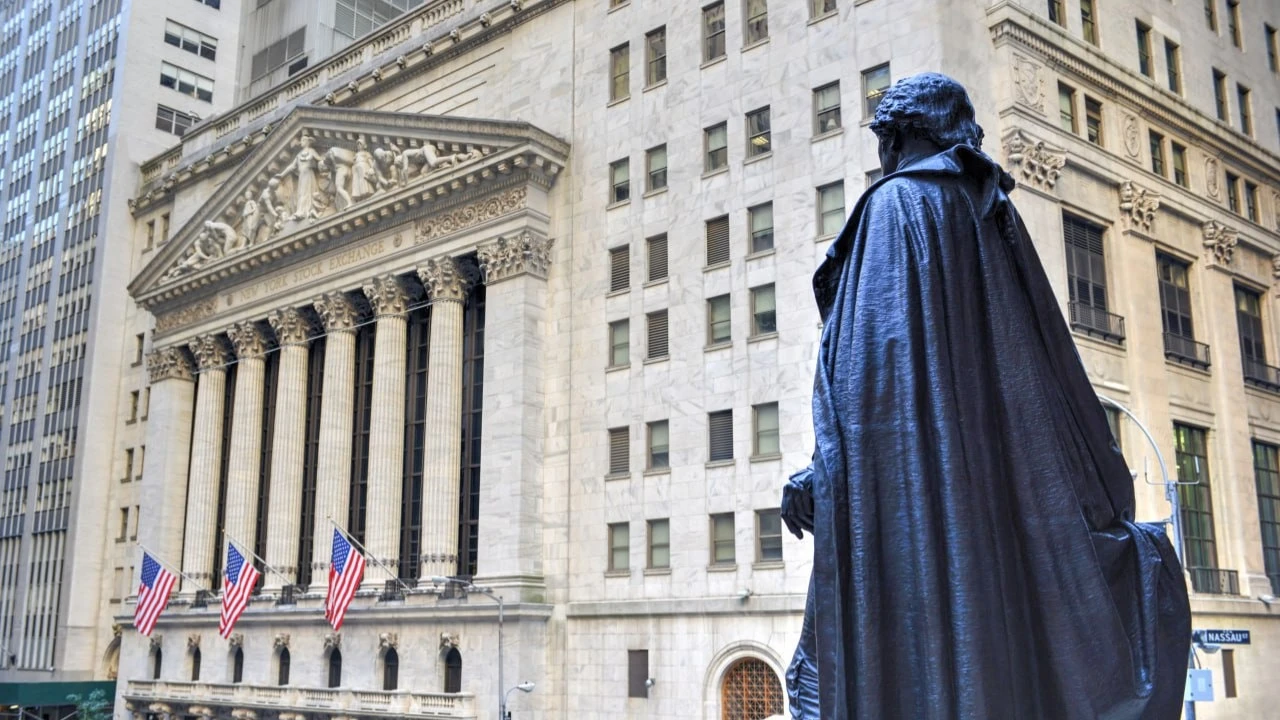
Photo: X / NYSE
Major US indices rose sharply at the opening of trading on the last day of March. The S&P 500 jumped by 1.3%, the technological Nasdaq Composite added 1.6%, the Dow Jones blue-chip index rose by 1.1%. The VIX volatility index, which is called the Wall Street fear indicator, fell 10%.
Investors were encouraged by the publication of The Wall Street Journal, explains CNBC. The newspaper reported that US President Donald Trump, in a conversation with aides, expressed his willingness to end the military campaign against Iran even if shipping through the Strait of Hormuz remains restricted. An operation to open that corridor would prolong the war beyond the designated four to six weeks, and the president decided that the US should focus on achieving key objectives - weakening Iran's navy and missile stockpile - and then begin to wind down the current hostilities, the WSJ wrote.
The technology sector, which has been under pressure since the start of the conflict in the Middle East, showed broad-based growth. The exchange-traded Technology Select Sector SPDR Fund added 1.5%. Shares of Nvidia rose by 1% and Microsoft by 2%.
In a post on the Truth Social platform, Trump said Iran is "essentially" defeated and suggested that allies should either buy jet fuel from the U.S. or simply "take it back" through the Strait of Hormuz. Nevertheless, an Iranian drone strike on a fully loaded Kuwaiti oil tanker off the coast of Dubai underscored the risks that remain, Bloomberg writes.
Mark Brent crude oil rose 5% to trade above $118 a barrel.
What the analysts are saying
"Sometimes news headlines make you wonder," acknowledged strategists at Bespoke Investment Group, as quoted by Bloomberg. - If the U.S. simply withdraws from the Middle East and the Strait of Hormuz remains blocked, energy markets are likely to continue to experience severe supply shortages, which will keep prices high. The market may be counting on the Strait to reopen in the event of a US retreat."
"A quick settlement cannot be ruled out, but it does not mean a return to the state of affairs that we had in February," Kevin Tozet, a member of Carmignac's investment committee, told the agency. He notes, however, that "investors see the situation as half-full." Over the past 15 years, the key strategy has been to "buy on drawdowns," the analyst said.
B. Riley Wealth Management's Art Hogan conceded in an interview with CNBC that the previous days' decline could have been a normal "reset" of the market. "There are several factors at play right now, but it's important for long-term investors to remember that 10% corrections are normal. They happen all the time. On average, we see a 10% correction every two years," he said. - "It's important to realize that stock volatility is the price one pays for higher long-term returns.
For investors who are experiencing FOMO, that is, the fear of missing out on a market opportunity amid a downturn, financial advisor June Um advises, "missing one drawdown won't hurt, but an emotional decision might."
This article was AI-translated and verified by a human editor