"You Pay Twice for AI": Microsoft CEO Warns of Dependence on Anthropic and OpenAI
Satya Nadella believes that the current status quo in the market poses a risk of confidential information leaks for companies using AI

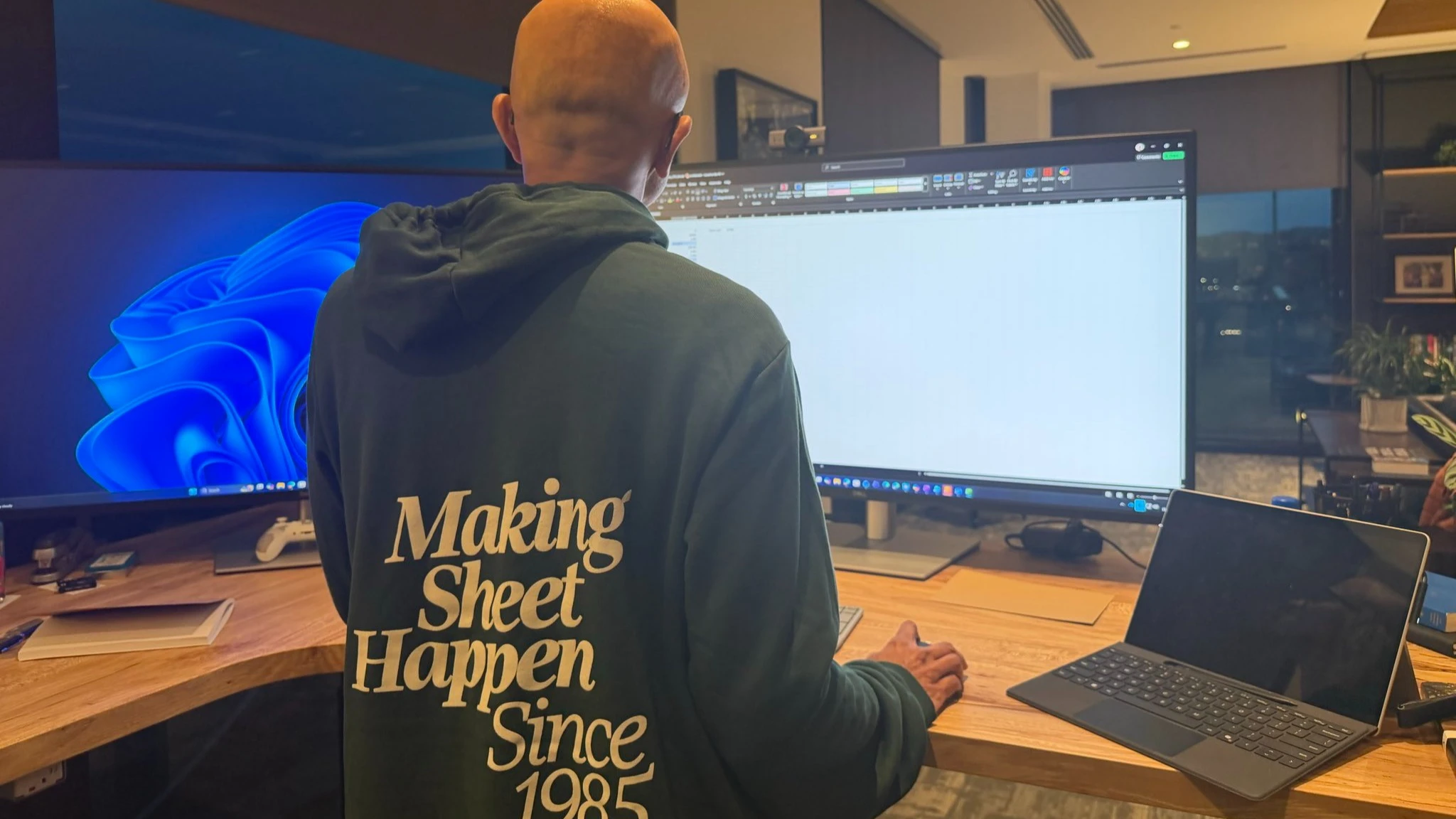
Microsoft CEO Satya Nadella identified an unfair “asymmetry” in the relationship between leading AI model developers and their customers / Photo: X/Satya Nadella
Companies that rely on third-party artificial intelligence models pay for them not only with money but also with their own know-how, which they are forced to disclose, warned Microsoft CEO Satya Nadella. Business Insider saw his article as a veiled criticism of Anthropic and other leading AI developers.
What Happened
On July 12, Nadella published an article on X titled “The Reverse Information Paradox,” which he began with economist Kenneth Arrow’s well-known dilemma: a seller of information risks giving away knowledge for free while trying to find a buyer for it. AI has turned the situation on its head: now the buyer risks giving away knowledge simply to make use of what they’ve purchased, according to the Microsoft CEO.
“Essentially, you have to pay for AI twice: first with money, and then with something even more valuable—confidential knowledge that you must disclose for that AI to be useful,” Nadella writes. “Over time, the information asymmetry grows stronger. The provider learns more and more about you as you use the product you’ve purchased, while you know almost nothing about what information it is extracting from that interaction.”
Simply protecting documents and databases isn’t enough, warns the head of the tech giant. Neural networks learn from the “byproducts” of working with AI—employee requests, agent actions, and especially the corrections people make when the model makes a mistake. These corrections add up to knowledge about the company that a competitor could not buy.
Nadella also criticized the double standards of AI developers. “Model providers need the ability to train their models on publicly available data under the doctrine of fair use—that’s the foundation of innovation. I find it ironic that they then impose strict restrictions on distillation (training one AI model using the outputs of another—Oninvest), yet reserve the right to learn from data on how customers use their products,” said the Microsoft CEO. If training is one-way only, the economic value is concentrated with the owners of the models and their training systems, rather than with those whose knowledge is being used, he warned.
Business Insider views these remarks primarily as a “dig” at Anthropic. The publication also mentioned OpenAI, Google, and DeepMind. Anthropic CEO Dario Amodei complained that Chinese developers are stealing the company’s work by using its chatbot to train their own models, and in a June letter to senators, the startup called Alibaba’s actions "the largest attack" of its kind.
Nadella's Five "Cs"
To prevent knowledge from leaking out, companies need a secure environment, Nadella believes. Within that environment, data, interaction histories, tests, feedback, memory, and model parameter settings should be accumulated. Without the company’s consent, not even “data exhaust” should leave the ecosystem, and the business should have the right to use the results of third-party models to fine-tune and train its own systems.
The Microsoft CEO boiled his recipe down to five conditions:
— Control — the company’s own criteria for AI quality assurance and its right to collect and use the history of requests, corrections, solutions, and feedback;
— Capability — an internal environment where models can be trained using real business processes without “disclosing the company’s knowledge”;
— Choice — not being tied to a single AI model: if one becomes unavailable, the company must be able to use others;
— Cost — the freedom to choose models allows you to solve problems more affordably without sacrificing quality;
— Compound (compounding) — AI knowledge and learning outcomes should accumulate and, over time, yield ever-greater returns for the company.
He summarized the guiding principle as follows: a business should be able to use an AI model “without giving away the knowledge that makes it unique.”
This article was AI-translated and verified by a human editor