A key pipeline for Saudi Arabia's oil exports has come under attack
Sources say drone strike on mainline pumping station

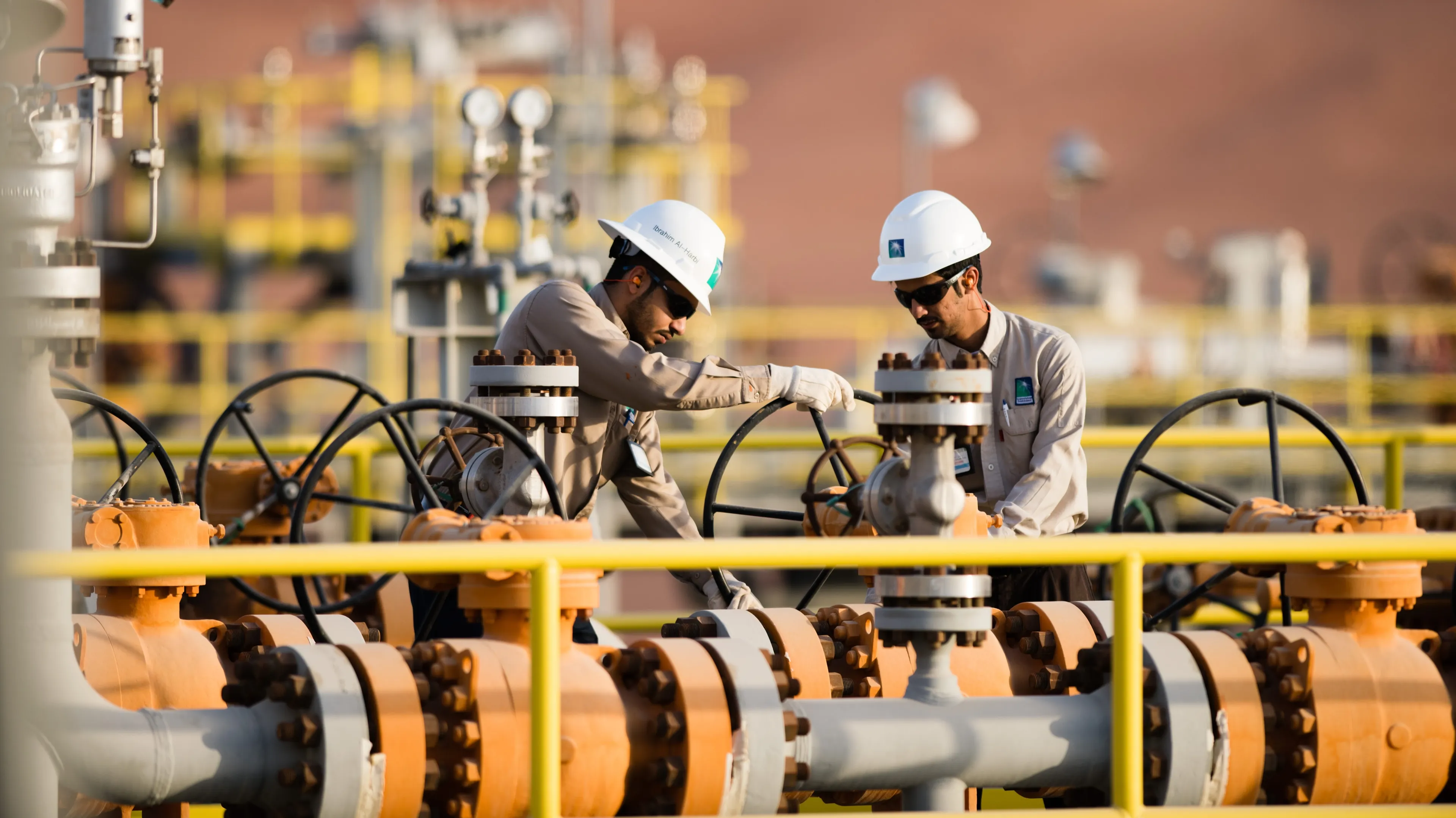
The Saudi Aramco oil pipeline has become particularly important in the face of the closure of the Strait of Hormuz / Photo: Saudi Aramco
Saudi Arabia's East-West pipeline, which transports crude oil from the Persian Gulf to the Red Sea for export, was attacked, two Financial Times sources and one Bloomberg source said. One of the pumping stations along the pipeline was hit. One of the FT sources said the attack was carried out by a drone. According to another, the damage is being assessed.
The attack on the 1,200-kilometer pipeline came hours after Iran and the US agreed on the terms of a temporary ceasefire. The strike took place at around 13:00 local time (12:00 CET) on Wednesday, April 8, the FT's interlocutors stressed. They hope that the attack will not affect the pipeline due to the availability of backup stations.
State oil company Saudi Aramco, which owns and operates the pipeline, declined to comment.
Context
After the outbreak of full-scale conflict between the US and Iran on February 28, 2026, shipping through the Strait of Hormuz, which connects the Persian Gulf with the world's trade routes, was virtually paralyzed. In these circumstances, the pipeline has effectively become Saudi Arabia's main "economic artery", allowing the kingdom to export oil bypassing danger zones, the FT notes.
The East-West pipeline was built back in the 1980s as a response to threats to block the Strait of Hormuz at the height of the "tanker war" between Iran and Iraq, says the FT. Today, the pipeline can pump up to 7 million barrels a day directly to the port of Yanbu on the Red Sea coast.
This article was AI-translated and verified by a human editor