"A rotation is underway": Chipmakers' stocks plummeted as the Dow Jones rose
Investors fear tighter regulation of AI infrastructure now that the U.S. Congress is under Democratic control

Photo: Shutterstock.com
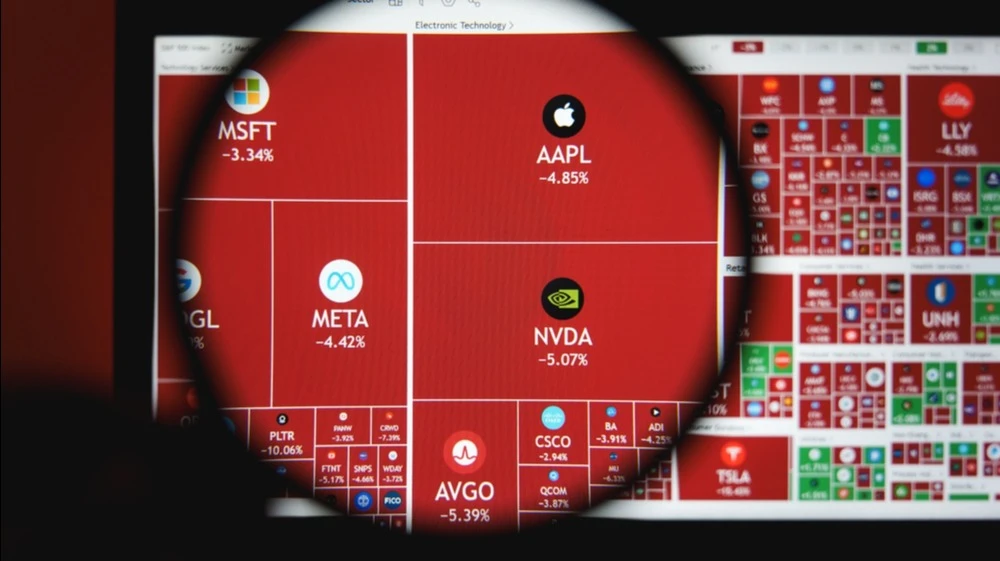
Following the U.S. midterm elections, investors resumed selling off tech stocks. The Nasdaq Composite Index fell 1.3% at the start of trading on November 5. Meanwhile, the Philadelphia Semiconductor Index plummeted nearly 5%. Shares of chipmakers were among the hardest hit by the results of the U.S. midterm elections due to concerns that a Democratic victory would lead to stricter regulation of data centers and hurt demand for semiconductors.
Investors are shifting capital from the technology sector into stocks that were previously not among the market’s favorites and into shares of companies sensitive to the economic cycle, according to Bloomberg. The Dow Jones Industrial Average, a blue-chip index, was up 0.4% in early trading after rising 3% the previous day. The S&P 500 was down 0.5% after gaining 1.6% the day before.
What Analysts Are Saying
“[The market] is undergoing a rotation: some segments of the technology sector are taking a breather, while the rally is broadening on expectations of a slowdown in AI investment, increased prospects for a resolution with Iran, and falling energy prices,” Bloomberg quotes Nadezh Dufoss, head of Candriam’s multi-asset strategies division.
“Once the election-driven rotation runs its course, the markets will likely return to trading based on macroeconomic fundamentals,” said Wolf von Rothberg of J. Safra Sarasin. “If growth in AI investment is indeed at risk, it will be difficult for stocks to perform well for the rest of the year,” he added.
According to Joachim Clement of Panmure Liberum, the market is expecting “a classic year-end rally that will last through December, as investors try to buy into the pullback in AI-sector stocks.” “We would use the market’s strength toward the end of the year to sell, as we believe the AI theme will run its course in 2027,” he said.
U.S. economic data released on Thursday showed that the number of initial claims for unemployment benefits for the week came in below all forecasts, while labor productivity in the third quarter grew faster than expected. On Friday, traders are awaiting the jobs report to assess the future trajectory of the economy and interest rates. Money markets estimate the probability of a 25-basis-point Fed rate hike next month at about 80% and anticipate another hike in 2027.
This article was AI-translated and verified by a human editor