Data Centers, the Fed, and the National Debt: Three Developments to Watch After the U.S. Election

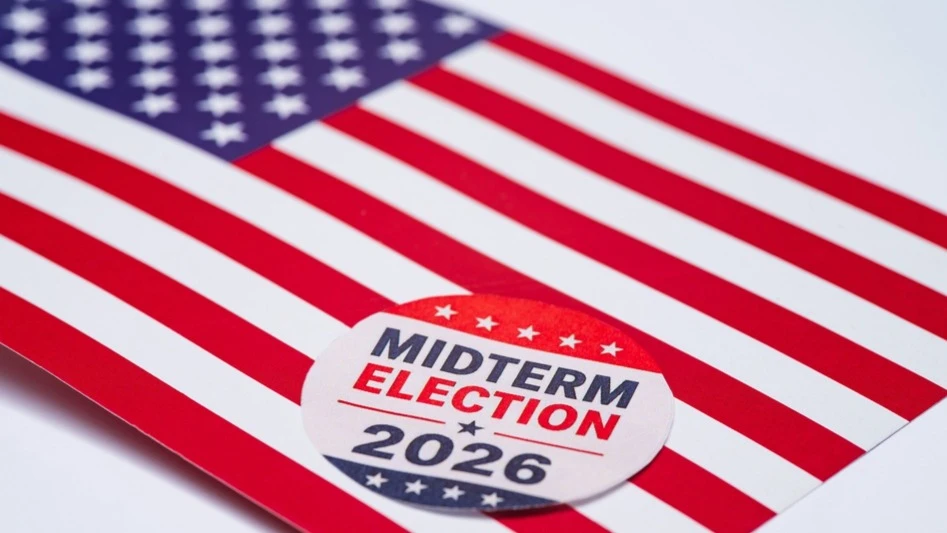
The Democrats' takeover of Congress is shifting Washington's priorities and will have a long-term impact on the economy / Photo: MantasVD / Shutterstock.com
The Democratic Party’s victory in the 2026 midterm elections brought initial relief to the markets: stock indices soared, and the “fear gauge” VIX—the Chicago Board Options Exchange’s volatility index, which reflects investor anxiety and expectations of sharp fluctuations—posted its sharpest drop since April 2025. However, the Democrats’ takeover of Congress is shifting Washington’s priorities and will have a long-term impact on the economy, MarketWatch warns. The publication has identified three key areas that investors should keep an eye on.
Cost of Computing Power
Voter dissatisfaction with the construction of new data centers played a significant role in the election, according to MarketWatch. Now, following the Democrats’ victory, the markets expect the pace of AI infrastructure development to slow. The new political reality “will lead to higher computing costs and is positive for current data center owners,” said Warren Pace, founder of 3Fourteen Research.
This benefits leading hyperscalers such as Alphabet, Microsoft, Meta, and Amazon: the shortage of computing power needed to train and run AI models will allow them to boost revenue from their cloud services. On November 4, the stocks of all four tech giants rose.

At the same time, shares of semiconductor companies—including Nvidia and Micron—as well as cloud platforms such as CoreWeave came under pressure: if the expansion of new capacity stalls, it could jeopardize their revenue targets for 2027. “Our modeling shows that even a modest slowdown in the pace of data center construction will cause semiconductor companies’ revenues to fall short of forecasts,” Pace added.
U.S. Federal Reserve Policy
Yields on U.S. Treasury bonds fell on November 4: the bond market was simultaneously reacting to the election results and Treasury Secretary Scott Bessent’s statement regarding plans to reduce the issuance of long-term securities, according to MarketWatch.
Expectations that the U.S. Federal Reserve will raise interest rates in December have solidified in the market: according to CME FedWatch, the probability of such a move is currently estimated at 80%. However, expectations of further policy tightening in 2027 have weakened, Reuters notes.
A Democratic victory could also influence the future composition of the Federal Reserve’s leadership. According to estimates by Rabobank strategists cited by MarketWatch, the new Senate composition will prevent Trump from appointing loyal candidates to the Fed’s Board of Governors if seats become vacant. So far, there is only one board member whose term expires in the next two years: former Fed Chair Jerome Powell, noted JPMorgan Chief Economist Michael Feroli.
Fiscal Deadlines and the National Debt Ceiling
A return to a two-party split in power means that political gridlock in Washington will once again become the norm, MarketWatch notes. UBS analyst Jonathan Pringle predicts increased tensions leading up to December 11—the deadline for passing a new budget. In addition, debates over the debt ceiling are expected in the second half of 2027.
The budget deficit will remain unchanged. Pringle expects it to remain at around 6.5% of GDP: Democrats will slow or mitigate the cuts to food assistance and medical subsidies enacted as part of Trump’s 2025 budget bill. According to the analyst, the weakening of the stimulus for GDP growth will have a greater impact in 2028 than in 2027.
Context
The period following midterm elections is traditionally considered one of the strongest for the U.S. stock market, according to MarketWatch. Tom Essaye, founder of Sevens Report Research, cites the following data: since 1950, November in midterm election years has been the second-best month for the S&P 500, with an average gain of 2.7%, with this trend observed in 79% of cases.
The three subsequent quarters—namely, the fourth quarter of an election year, as well as the first and second quarters of the following year—have historically shown the highest returns over the entire electoral cycle.
From 1930 to 2026, the S&P 500 index never declined over the 12-month period following a midterm election, gaining an average of 14%, which significantly exceeds its historical average annual return of 10.5%.
This article was AI-translated and verified by a human editor