A War Between the U.S. and Iran Could Drag On for Several Months — Bloomberg
Events in the Middle East will continue to unfold according to the established pattern: clashes give way to lulls, and then new fighting breaks out, according to sources speaking to Bloomberg

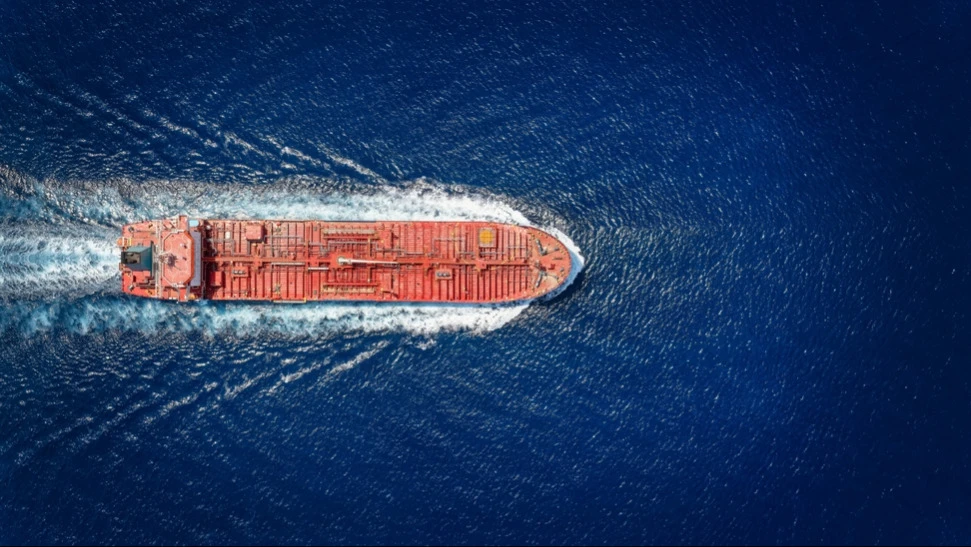
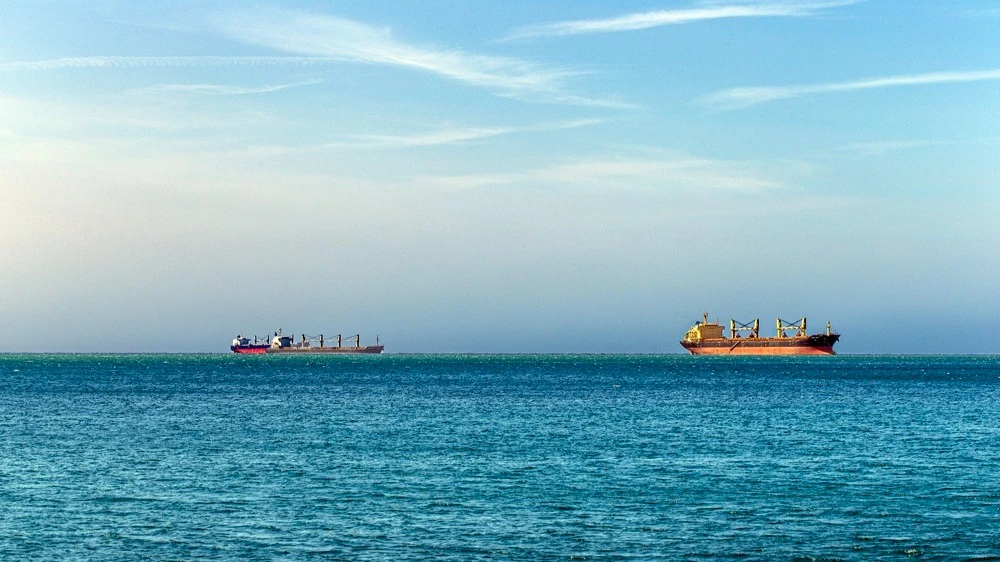
Shipping in the Strait of Hormuz remains blocked due to the war between the U.S. and Iran / Photo: Sven Hansche / Shutterstock.com
The military standoff between the U.S. and Iran is likely to continue for several more months, according to several current and former officials from the U.S., Iran, and Europe who spoke with Bloomberg. The problem is that the parties to the conflict cannot overcome their differences over shipping in the Strait of Hormuz and reach a lasting ceasefire agreement, the agency reports.
Details
Events in the Middle East will continue to unfold according to the established pattern: skirmishes give way to lulls, followed by new fighting. This is the view of Bloomberg’s sources, who are in contact with high-ranking officials in the U.S. and Iranian governments.
Despite its military losses, Iran is confident that it can withstand the U.S. naval blockade for much longer, according to an Iranian official. Tehran believes that U.S. President Donald Trump is avoiding a large-scale escalation. The reason is that Iran is capable of inflicting serious damage on the infrastructure of the Gulf states, and the White House does not want to allow oil prices to rise further, Bloomberg reports.
The surge in oil prices above $100 per barrel last week was one of the reasons Trump suspended daily airstrikes against Iran and returned to diplomacy, a Bloomberg source explained. Iran is aware that the U.S. Strategic Petroleum Reserve is currently at its lowest level since the 1980s, according to one of the agency’s sources. The White House has used the reserves to keep fuel prices in check, Bloomberg notes.
Iran insists on its right to control shipping through the Strait of Hormuz and to collect fees from tankers and other vessels. In peacetime, about one-fifth of the world’s oil and liquefied natural gas shipments passed through the strait. According to the agency’s sources, Trump is unlikely to back down until Iran yields on this issue.
“Comments from anonymous sources who pretend to have information about President Trump’s plans should be viewed as nothing more than speculation,” Bloomberg quoted White House Press Secretary Anna Kelly as saying. “Only the Commander-in-Chief knows what his next move will be.”
“A return to long-term stability is not on the horizon. The U.S. continues to press for Iran’s capitulation, while Tehran is demonstrating its willingness and ability to respond to U.S. escalation,” said Bloomberg Economics analysts Dina Esfandiari and Becca Wasser.
Context
On the night of July 29, Iran’s Islamic Revolutionary Guard Corps opened fire on U.S. military personnel in Jordan, while the U.S. and Saudi Arabia launched strikes against Tehran-backed armed groups in Iraq that had been attempting to attack the kingdom’s oil facilities in recent days. Trump said on Fox News that Iran would face a harsh response for the attack in Jordan. This new escalation came just a few hours after Trump expressed optimism about the prospects for negotiations, according to Bloomberg.
Oman is trying to reach a short-term agreement with Iran that would allow for an increase in the number of ships passing through the strait and the resumption of official talks between Tehran and Washington, according to Bloomberg. However, these talks have reached an impasse: Iran insists on sole control over ships entering the Persian Gulf.
Despite the impasse, the parties have not ceased communication through intermediaries, one of the agency’s sources noted. According to him, this could ultimately lead to a diplomatic agreement, even if hostilities continue to some extent.
Trump is also facing pressure from American politicians: many Republicans want to end the conflict before the midterm elections in November. House Speaker Mike Johnson said about a week ago, “We need to wrap this up.”
This article was AI-translated and verified by a human editor